
This site uses cookies. By continuing to browse the site you are agreeing to our use of cookies. For more information, See our Privacy and Cookie Policy.

This function is disables on your cookie management.
To activate it, click on the link "Edit cookie settings" in the upper
right corner of this page.
We use cookies to offer you a convenient web browsing experience, to suggest personalized ads for you, and to keep improving functions through traffic analysis.
By clicking on ‘ACCEPT ALL’, you consent to our use of cookies. Click ‘Cookie Settings’ to choose whether to accept or disable certain cookies. To find out more, please read our Privacy Policy. | Cookie Settings
-
- Functional Cookies
-
These cookies are used to provide you with convenient functions, such as product reviews and product video playback, during your web browsing.
-
- Analytics Cookies
-
These cookies allows our website to keep improving functions through website traffic analysis and to suggest personalized content for you.
-
- Advertising Cookies
-
These cookies enable us to show you ads and other content that we think is most attuned to your interests and digital behavior.
This function is disables on your cookie management.
To activate it, click on the link "Edit cookie settings" in the upper
right corner of this page.

Part 8. Heart of future Mobility delivered by LG Electronics, Touchless
by Soonin Chung Professional Researcher, Vehicle component Solutions Company, LG Electronics
-
Although we hear news about advancements in vaccine development, safety is still a priority.
Not only do we need to minimize interpersonal contact, we need to minimize contact with machines as well.
In fact, a piece of technology for minimizing contact is already under development. It's called "touchless" technology.
-
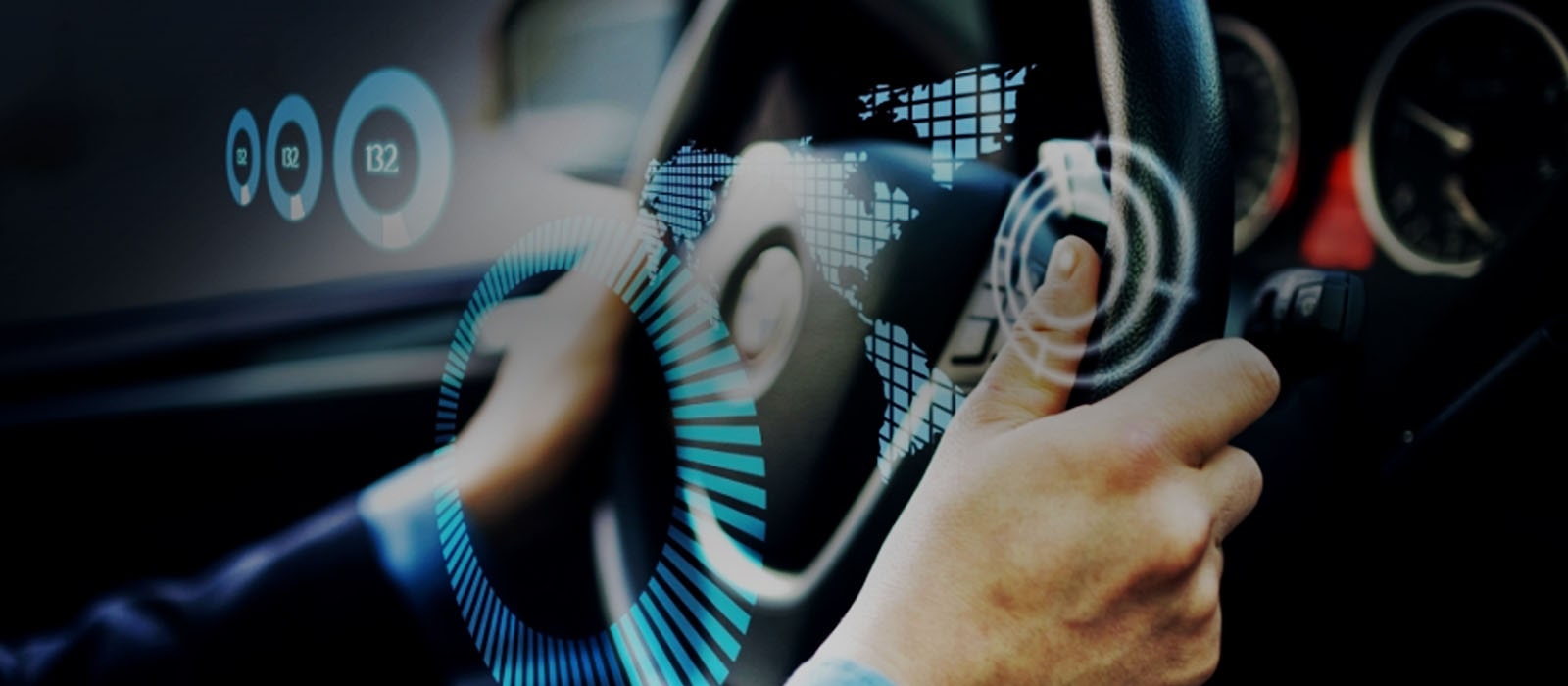
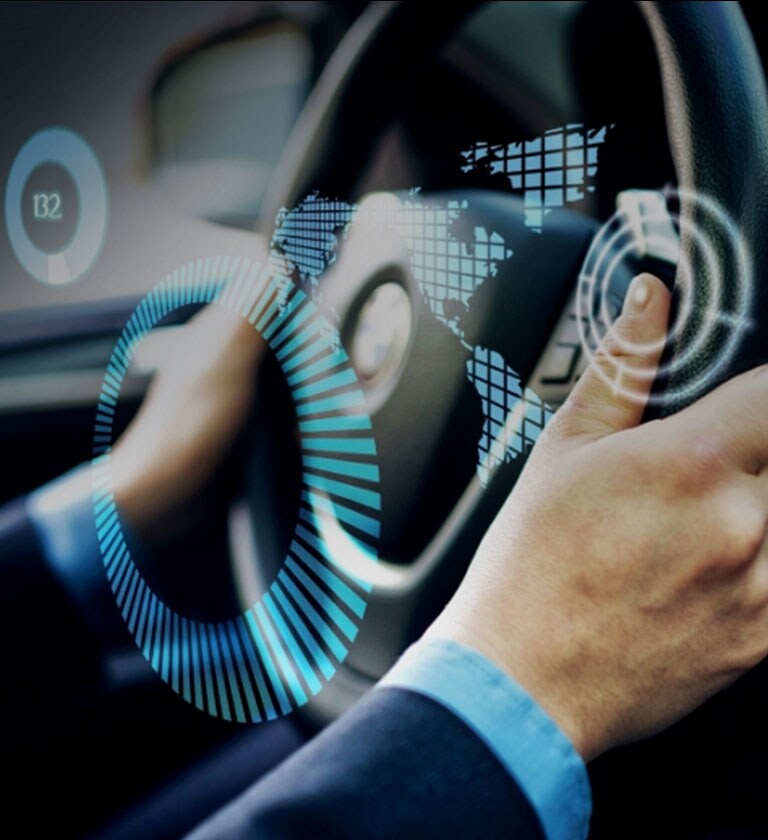
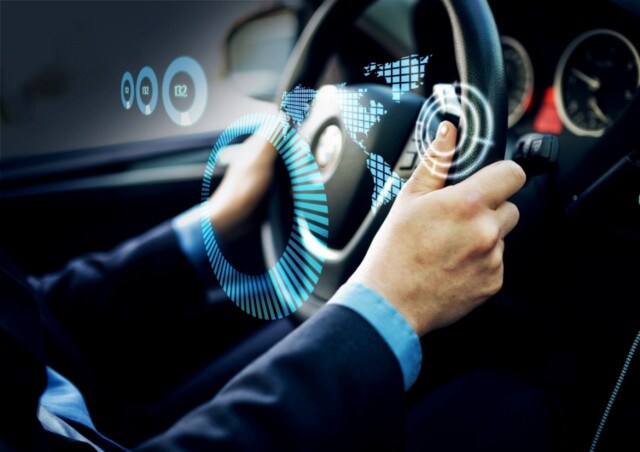
Touchless technology is being developed to improve safety while driving. If you don't need to control other devices directly, you can focus better on driving. There are various technologies that allow touchless interaction. Today, we will take a look at LG's 3 touchless technologies.
-
Gesture control that detects hand movement and objects
-
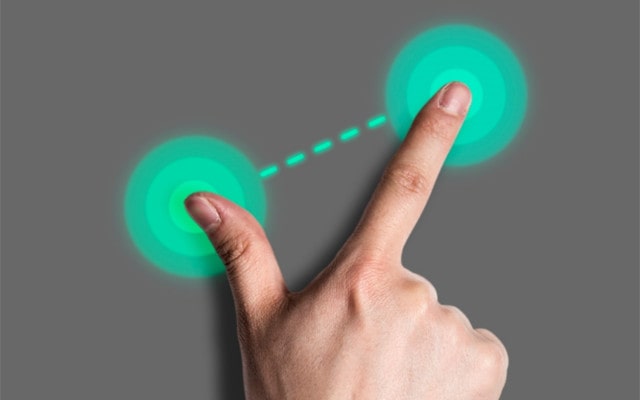
A system that detects detecting body motion and gestures is already under development. A camera installed within the vehicle reads the driver's gestures and adjusts various driving conditions. For example, you can adjust audio volume, the HVAC, and make calls via smartphone connected to the car's audio using gestures. This allows the driver to focus on driving by never letting go of the steering wheel.
-
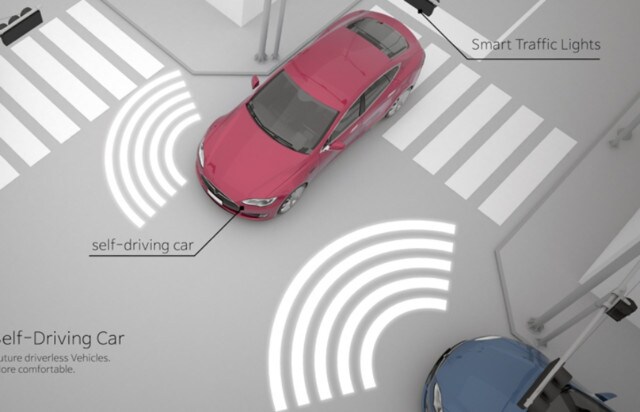
In addition, the detection system can detect not only the movement of a person, but objects as well. LG even possesses camera technology that detects obstacles ahead and predicts potential collisions. When an obstacle is detected, the system detects the speed, time to impact, and size of the obstacle. And based on the calculation results, the vehicle automatically determines the best maneuver and where to stay in the lane, adjusts the distance to the car ahead, decelerates, or accelerates.
-
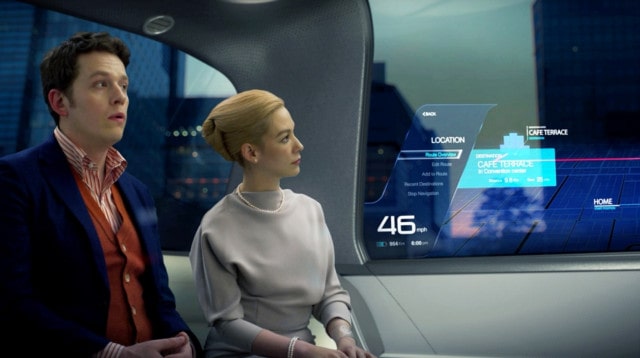
The interiors of future automobiles are being developed based around touchless technology. As EVs have fewer components compared to internal combustion vehicles, they have a much wider interior space. The technologies for using the expanded interior space more efficiently and intuitive is a top priority for automakers. Some examples are controlling the on-board screen or the infotainment system using just gestures. Some of these technologies are already utilized in cars by global premium automakers.
-
Facial recognition that identifies the user at a glance
-
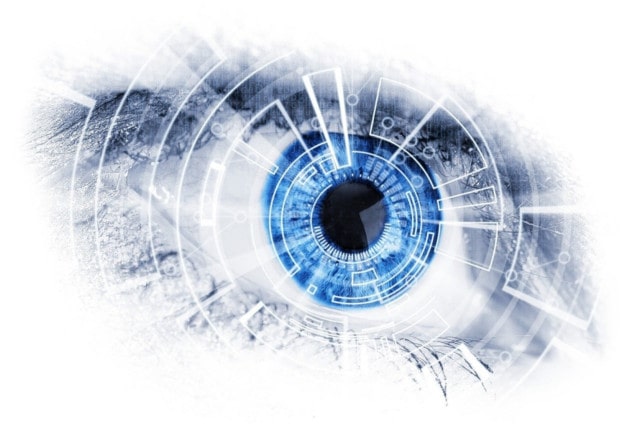
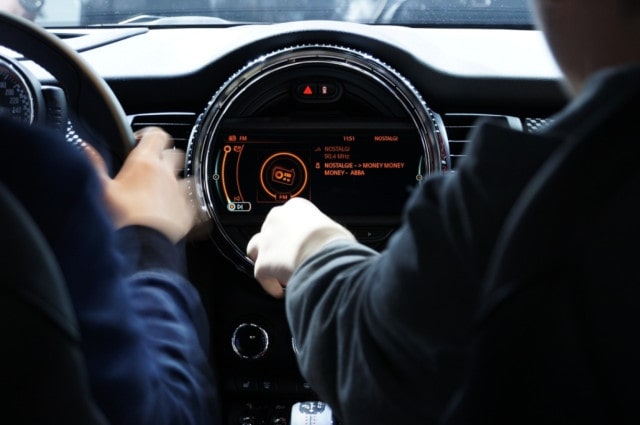
There's even a technology that adjusts the vehicle settings by tracking the driver's eyelids and irises. The automobile industry is seeking to improve user convenience and safety using facial recognition technologies. One example is implementing facial recognition technology on the vehicle's dashboard camera to identify the driver and other family members who are authorized to drive the vehicle. Recently, biometric devices that support keyless starting methods such as facial recognition are being adopted on new vehicles.
-
Facial recognition within the car can also be used to tailor the environment for each driver. For example, when the vehicle identifies the driver using facial recognition, the preferred driver's seat position, speed, cabin temperature, and audio volume are adjusted automatically.

-
Countless IT companies, including LG Electronics and global premium automakers, are developing facial recognition technology and some have already been applied to commercial vehicles. In addition to the automobile industry, banks and financial industries are adopting facial recognition technologies in an effort to reinforce security and prevent fraud. Recently, smart home systems that use facial recognition for opening the door and controlling the appliances in the house are being used in everyday life.
-
Voice recognition control that responds to the user's voice
-
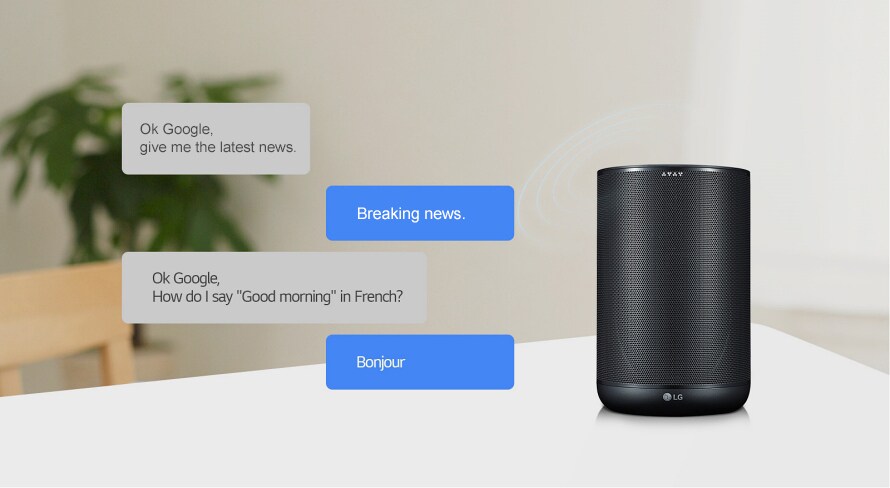
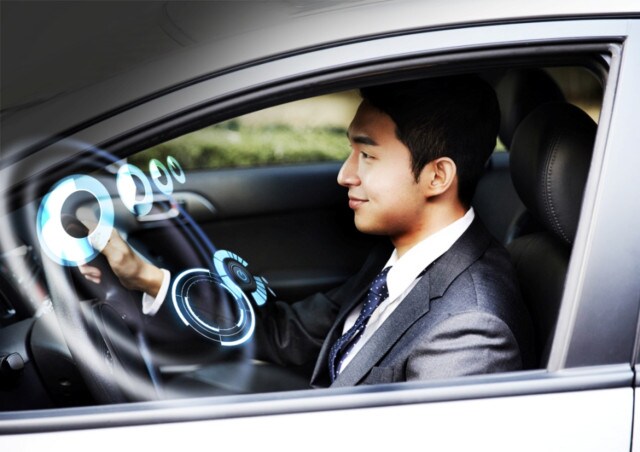
The development of voice recognition technologies for infotainment systems is also underway. Voice recognition allows the user to easily control the navigation, play multimedia content, adjust the cabin temperature, and even make calls using just their voice.
-
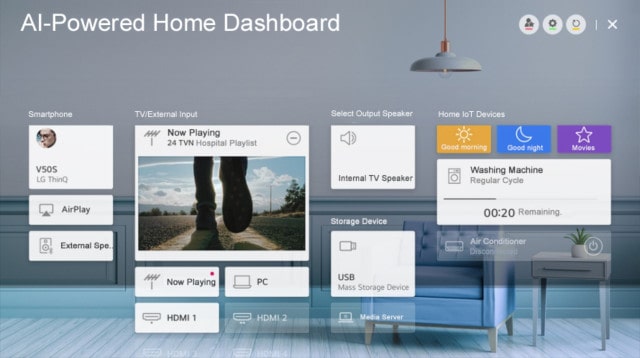
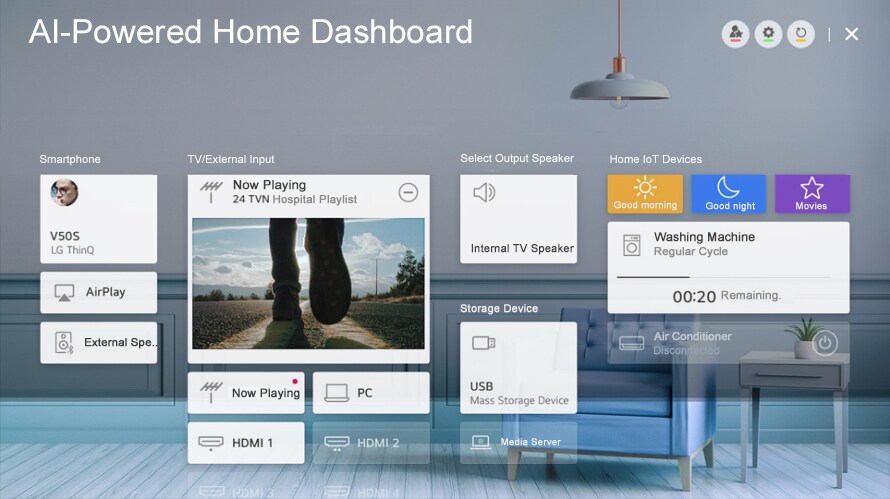
Advanced technologies such as voice recognition in vehicles will advance to an Intelligent Conversation Service. Intelligent Conversation Service is a technology where the AI doesn't just literally interpret what a person says, but puts it into context and understands the speaker's intentions. For example, if the passenger says "it's so hot in here," the AI speaker will ask "Should I open the window?" or even switch HVAC to fresh-air mode. These functions are already implemented on the AI Home Board of LG Electronics smart TVs and used by consumers on a daily basis. You can say things like "Should I wear a coat tomorrow?" or "Find me an action movie with the same actor." Now, this voice recognition technology is available in cars.
-
LG is developing this voice recognition technology in collaboration with Cerence in the US. Cerence boasts over 20 years of experience in developing voice recognition technologies for automobiles, and has implemented their solutions in over 300 million cars so far. As Cerence has already supplied a voice recognition engine that supports 70 languages to global automakers, the collaboration with LG Electronics is expected to result in a great synergy.
-
The touchless trend will only continue to expand faster in today's no-contact era. LG Electronics will continue to innovate the automobile user interface with gesture, facial, and voice recognition technologies.


