
This site uses cookies. By continuing to browse the site you are agreeing to our use of cookies. For more information, See our Privacy and Cookie Policy.

This function is disables on your cookie management.
To activate it, click on the link "Edit cookie settings" in the upper
right corner of this page.
We use cookies to offer you a convenient web browsing experience, to suggest personalized ads for you, and to keep improving functions through traffic analysis.
By clicking on ‘ACCEPT ALL’, you consent to our use of cookies. Click ‘Cookie Settings’ to choose whether to accept or disable certain cookies. To find out more, please read our Privacy Policy. | Cookie Settings
-
- Functional Cookies
-
These cookies are used to provide you with convenient functions, such as product reviews and product video playback, during your web browsing.
-
- Analytics Cookies
-
These cookies allows our website to keep improving functions through website traffic analysis and to suggest personalized content for you.
-
- Advertising Cookies
-
These cookies enable us to show you ads and other content that we think is most attuned to your interests and digital behavior.
This function is disables on your cookie management.
To activate it, click on the link "Edit cookie settings" in the upper
right corner of this page.

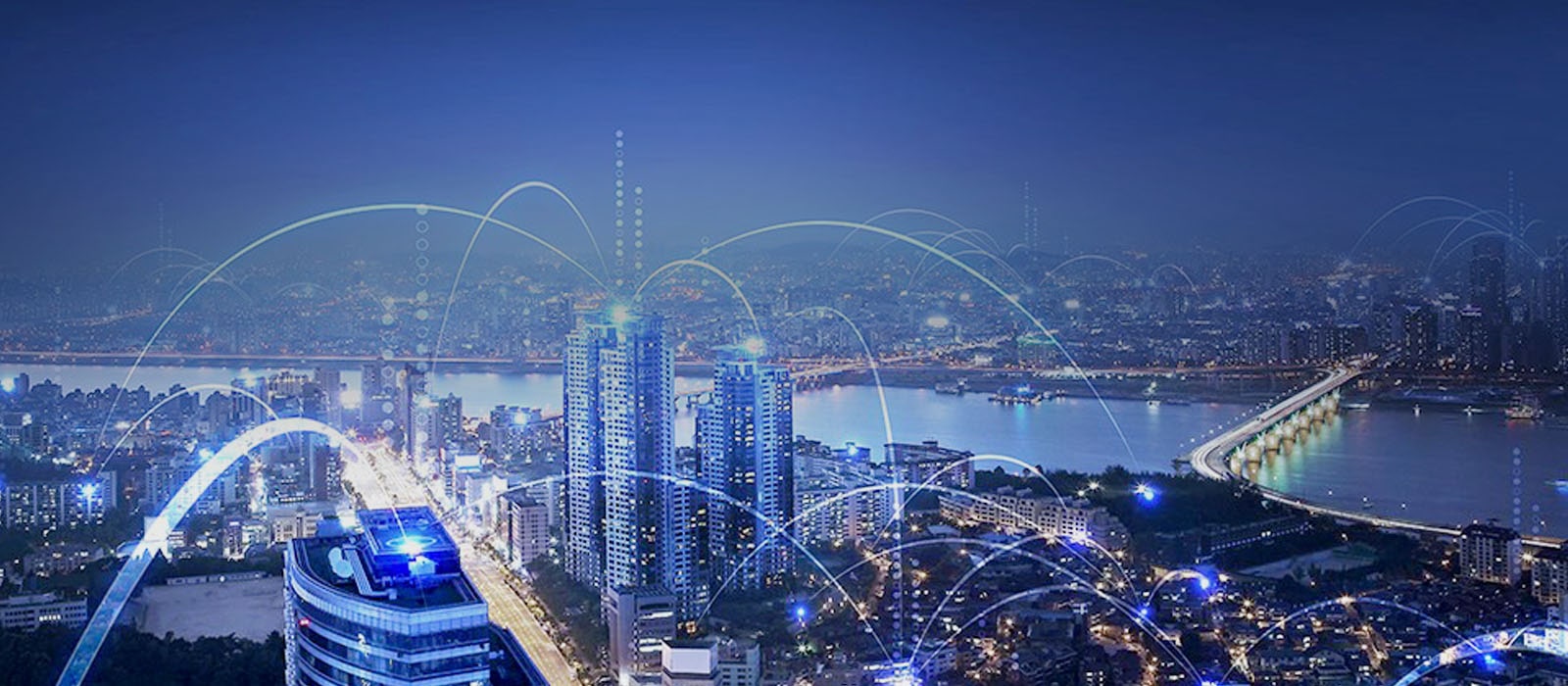
Part 13. Heart of future Mobility delivered by LG Electronics, Smart City
by Soonin Chung Professional Researcher, Vehicle component Solutions Company, LG Electronics
-
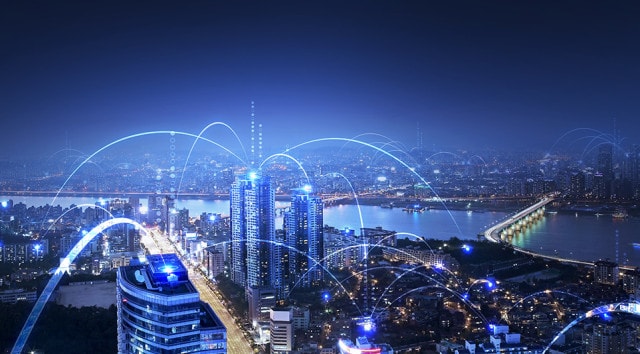
What's the first thing that comes to your mind when you hear the word "smart city"? You'll likely think of a city with various integrated technologies, filled with autonomous cars roaming without any traffic jams. In fact, a true smart city is a space centered on people and their living space rather than cars or roads. It's a space that makes people's lives more convenient through technology. And of course, transportation is an essential part of our lives. That's why when we think of a smart city, transportation comes to mind.

-
The 'Saudi Vision 2030' announced by Saudi Arabia in 2016 includes 'Neom Mega Smart City.' 'The Line Smart City', which is a subordinate project, depicts the ultimate smart city. It will span 170 km across the nation without any roads on the surface. All roads and various infrastructures will be built underground, leaving only people, residential spaces and parks on the surface. This is the eco-friendly city of the future that will become a reality as early as 2030.
This plan was established after carefully considering how to develop and operate a city that is most convenient and helpful to people. As a result, transportation systems such as cars and roads are being replaced by transportation of the future that uses eco-friendly energy. Once more smart cities are built, this kind of city will become more common in our future. So, what do the smart cities that are already completed today look like?
-
1. Smart crosswalks looking after pedestrian safety
-
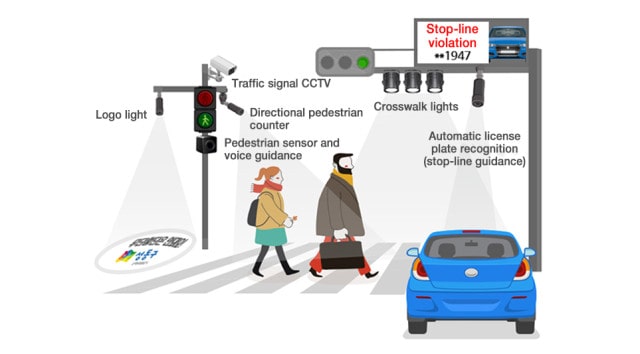
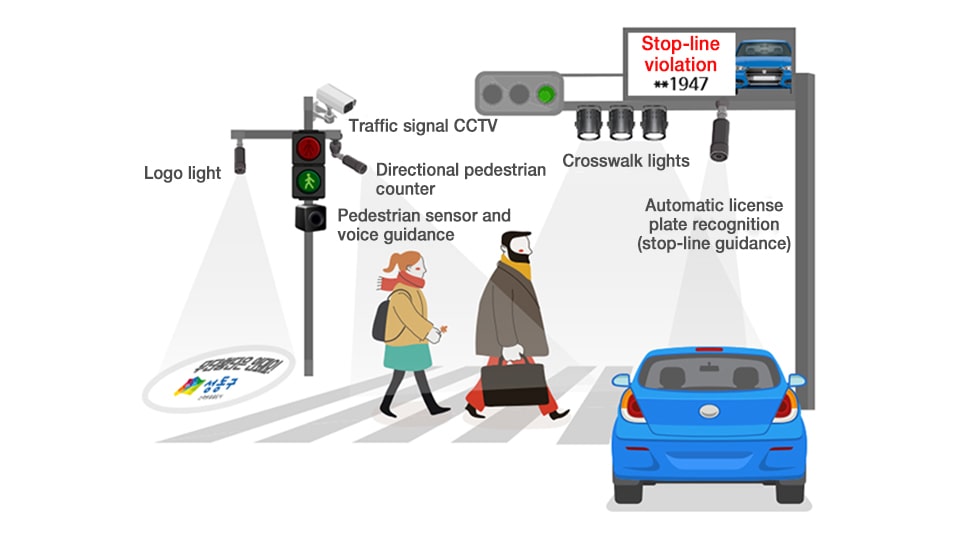
Smart crosswalks use various communications technologies including 5G, Internet of Behaviors and Internet of Things, to improve safety and convenience for pedestrians. In addition, they use technologies such as automatic license plate recognition devices and walk sign voice assist devices to prevent various accidents that may occur on sidewalks.
For example, if a pedestrian is standing too close to the road, the device will sound a warning that says "Please step back for your safety." When a pedestrian is crossing the street in times of low light such as evening or early morning, it will automatically detect the pedestrian and turn on lights to improve visibility. If a car stops past the stop line, the device will recognize it and display warning messages on the electronic display. These are some examples of technologies suitable for a smart city that puts people's everyday lives first.
-
2. Smart bus stops that enable various activities
-
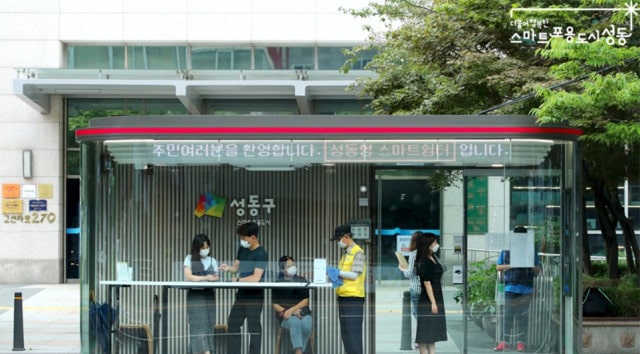
We've all had the experience of being bored while waiting for the bus. A smart stop is not just a place where you wait for the bus, but a place that provides various functions. It uses the Internet of Things (IOT) technology to provide information regarding all public transportation including buses, and other conveniences such as a resting area for pedestrians, mobile phone chargers, and public Wi-Fi.
Furthermore, it helps make the urban environment more pleasant by purifying fine dust, air conditioning and heating, UV air sterilization and thermal image checking features. The facilities are monitored 24/7 at the Integrated Smart City Control Center to ensure proper operation. Spaces for improving convenience located throughout the city.
-
3. Integration between facilities within the city and smartphones
-
In a smart city, you can utilize various spaces at affordable costs using your smartphone. When parking your car, you can find empty spots and reserve them on your smartphone. It helps prevent illegal parking and resolve parking space shortages by utilizing empty spaces.
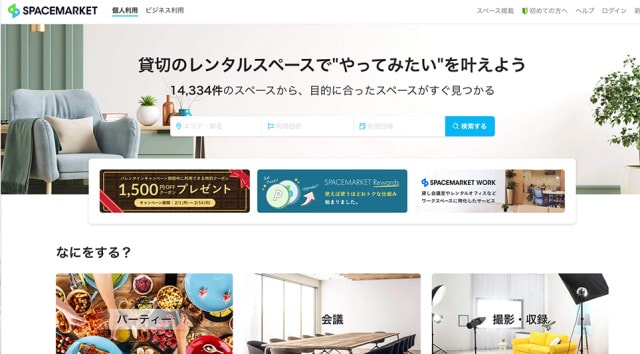
Japan's largest space-sharing platform Space Market allows people to share spaces and generate profit by sharing parking spaces, production sets, offices and even recreational facilities. This is a great example of a smart city where smartphones are used to improve use of space and benefit everyone.
-
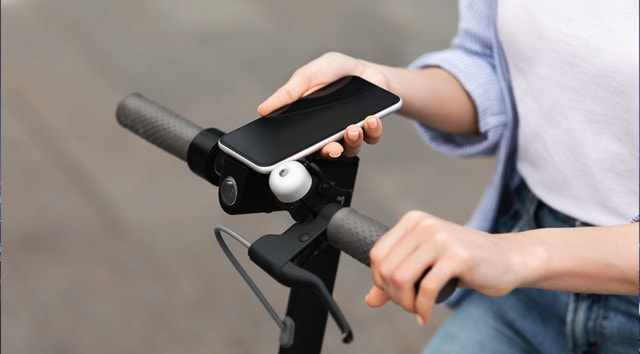
Furthermore, various means of transportation such as cars, bicycles and e-scooters are all connected to a smartphone. You can locate available devices, pay, and return them after use. This means a transportation system can be managed using just a smartphone.
-
LG Electronics' efforts to build a smart city
In addition to automotive component solutions for finished vehicles, LG Electronics is developing various technologies for the smart cities in which future automobile will be driven.
-
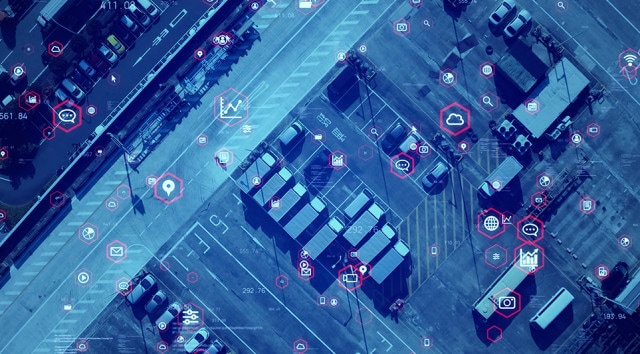
Building a smart city requires seamless exchange of countless data generated from various places. The smart crosswalk we looked at requires fast communication between all kinds of objects including cars, people, traffic signals, traffic systems and buildings. LG Electronics' V2X(Vehicle to Everything, communication between the car and all objects) makes that possible.
(Reference: The Core of Future Automobiles Made Possible by LG Electronics #11 Telematics)

-
Furthermore, smart cities use AI to analyze the behaviors of people living in the city to derive meaningful results. This requires various types of data. And to collect this data, we need the Internet of Behavior (IoB) and Internet of Things (IoT) to recognize people's behavior. Just like the smart bus stop, you will be able to access the information or functions you need anywhere in a smart city. And to prepare for this future, LG Electronics is developing various technologies to meet people's lifestyle.
(Reference: The Core of Future Automobiles Made Possible by LG Electronics #12 IoB)
Moreover, LG is developing autonomous cars, EVs and car sharing technologies that will free people's eyes and hands, allow people to spend their time engaging various fun activities while in the car, and bring smart cities closer to reality.
LG Electronics is leading the development of smart cities and improving people's convenience through wide range of R&D. And LG will continue to innovate the world through technologies.


