


.jpg)
How to Get Rid of Dishwasher Odor
-
Few things disrupt the comfort of a clean kitchen like persistent Dishwasher Odor. If you’ve noticed musty, sour, or even rotten smells coming from your appliance, you’re not alone. In this guide, we’ll show you how to get rid of Dishwasher Odor with effective, easy-to-follow steps, expert tips, and explain how LG’s innovative dishwashers make odor prevention part of every cycle. Let’s bring back that fresh, hygienic feeling to your kitchen—starting today.
-
Why Does My Dishwasher Smell?

-
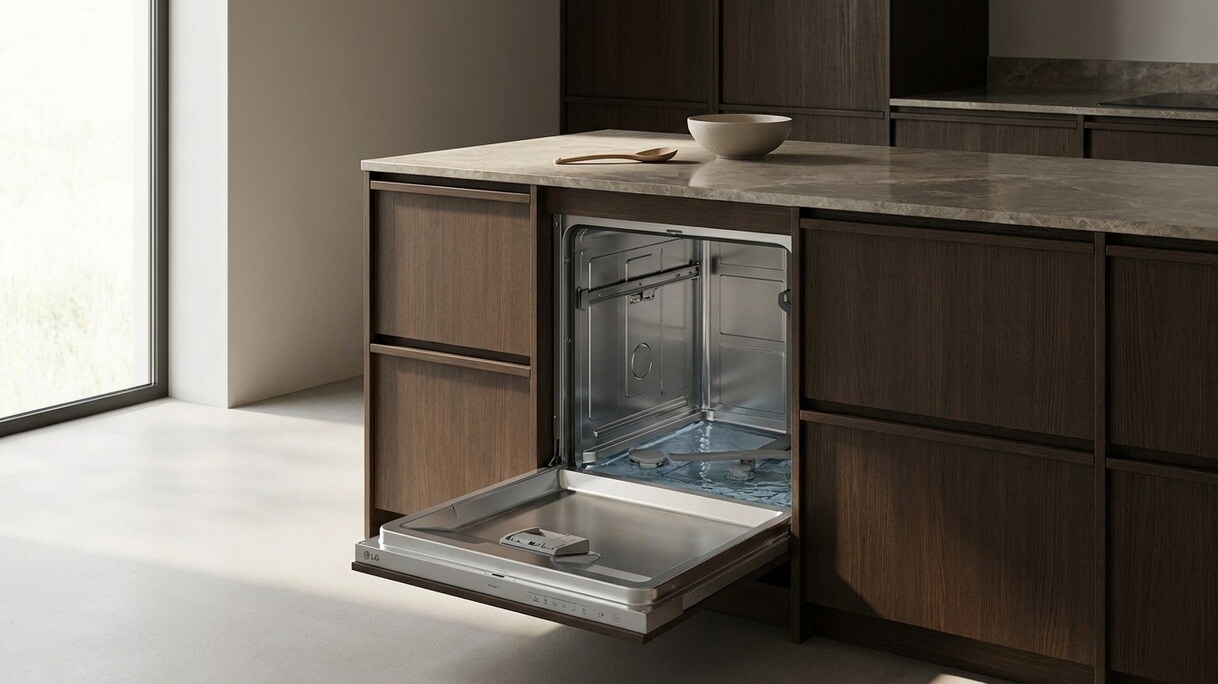
Dishwasher Odor usually develops because of trapped food particles, grease, or moisture that encourage bacterial growth. The main advantage of identifying these issues is that understanding the root causes helps us target the right solution. The main reasons behind a smelly dishwasher include:
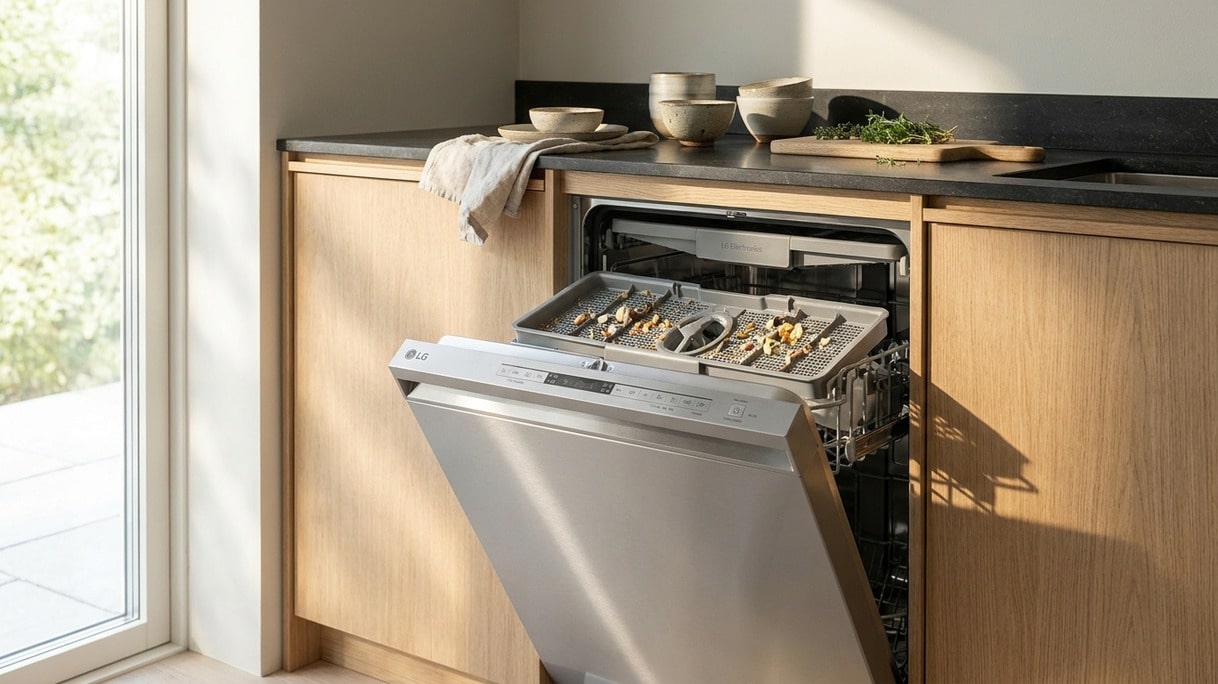
1. Clogged Dishwasher Filter
2. Grease Build-up
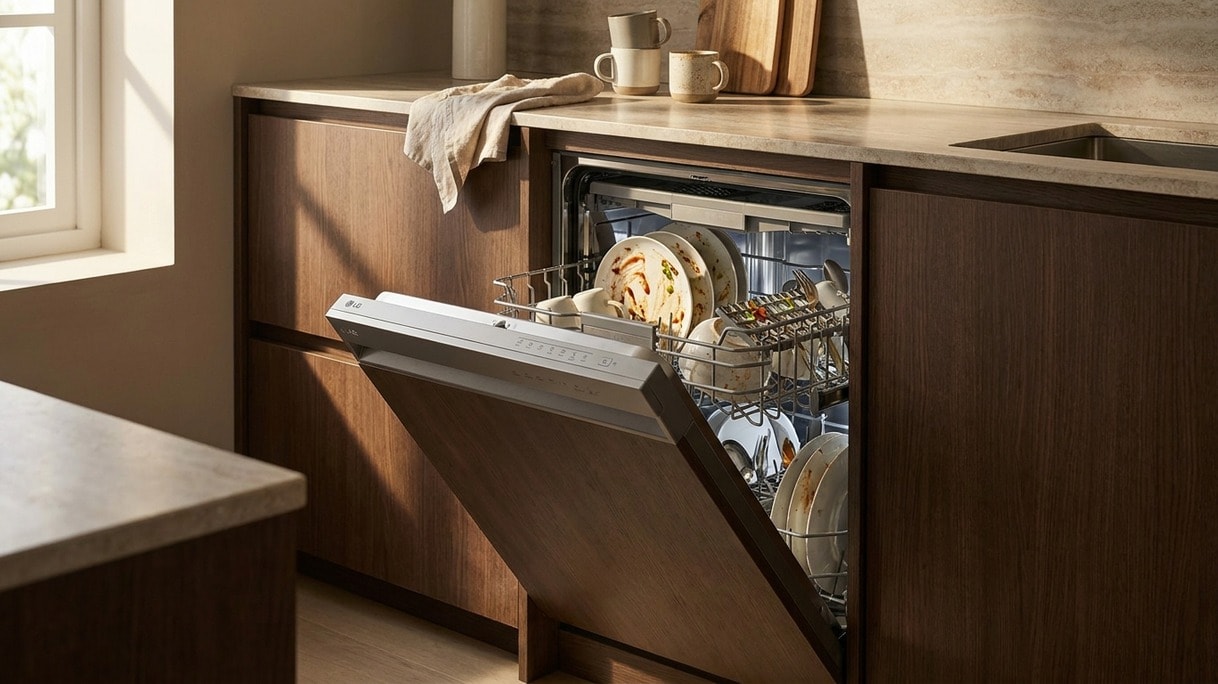
3. Leftover Food
4. Mildew
5. Standing Water
-
How to Deodorize a Dishwasher
-
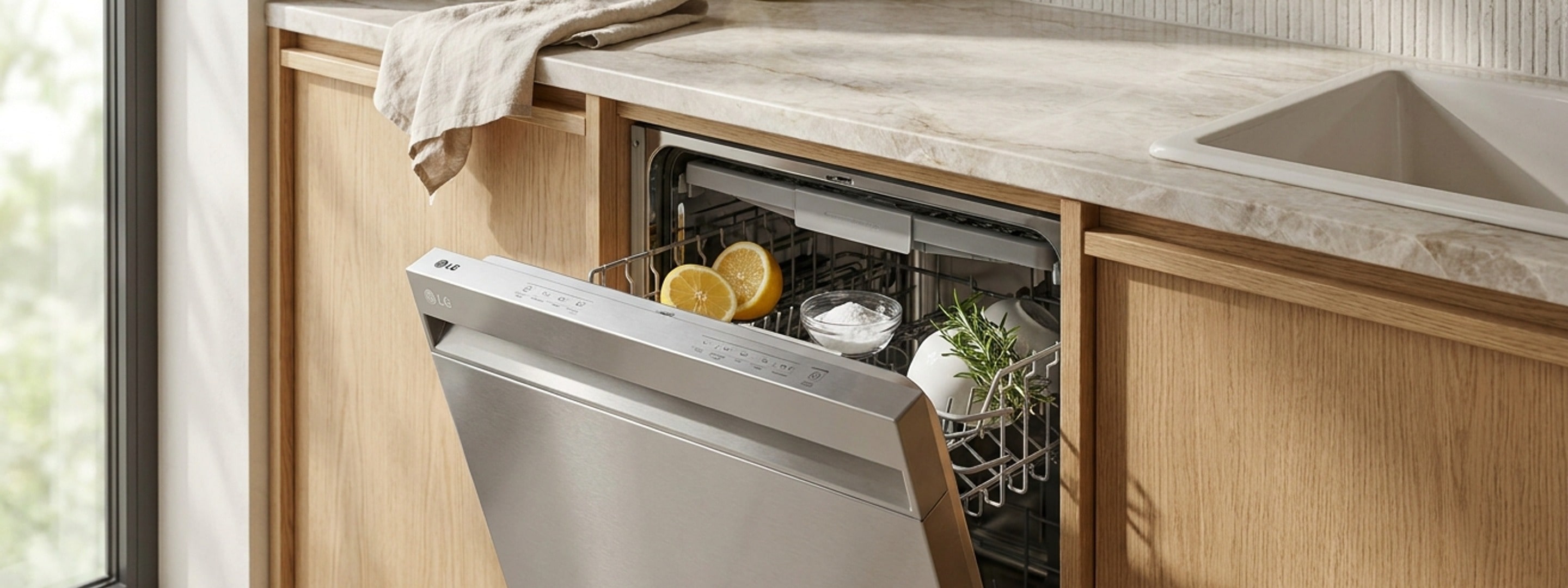
The best way to deodorize a dishwasher is with a deep clean that targets all odor sources. Follow these steps for a fresher, more hygienic kitchen:
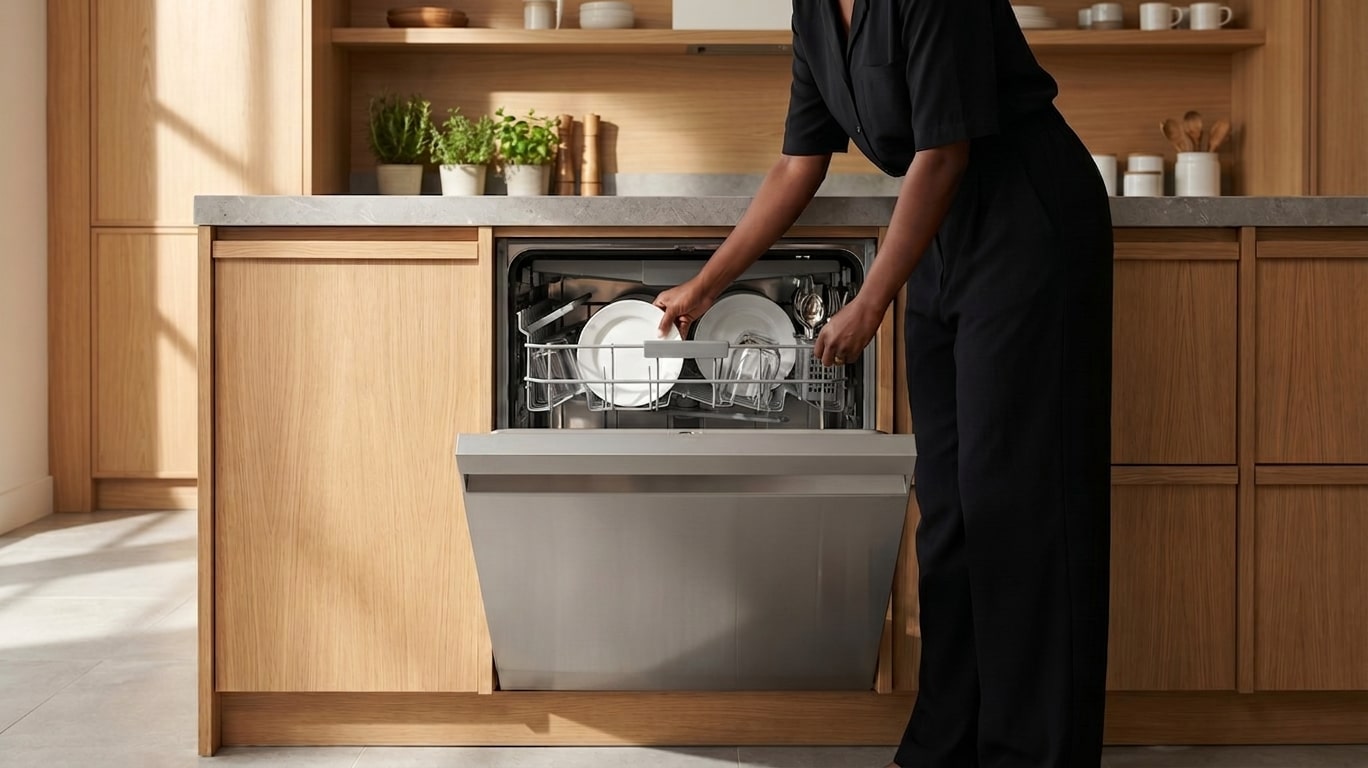
Step 1. Empty the Dishwasher• Remove all dishes, glasses, and utensils from the racks to ensure thorough cleaning.
This clears the way for cleaning products to reach every surface and prevents damage to your cookware during the process. An empty interior is essential for tackling stubborn Dishwasher Odor.
-
Step 2. Remove and Clean the Filter
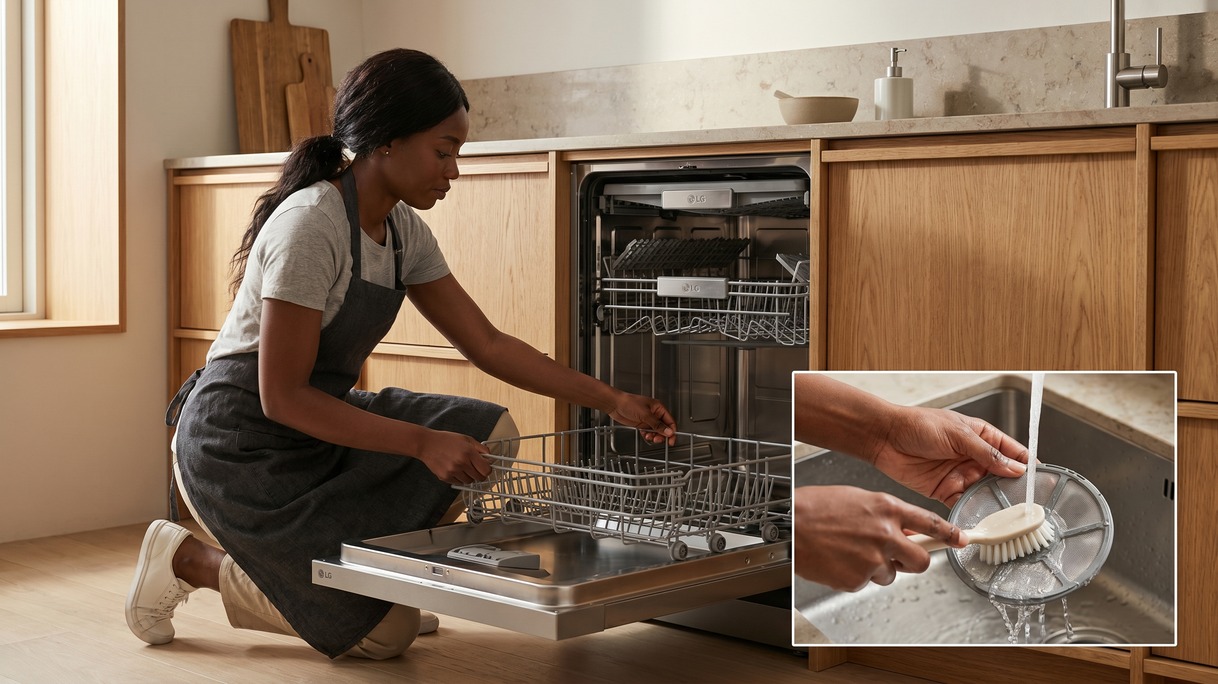
• Take out the dishwasher filter, usually found beneath the bottom rack.
• Rinse it under warm water and scrub gently with a soft brush to remove trapped debris and grease.
This step is vital for eliminating the source of Dishwasher Odor and maintaining optimal cleaning performance. LG dishwashers with EasyClean filters make this process simple and fast.
-
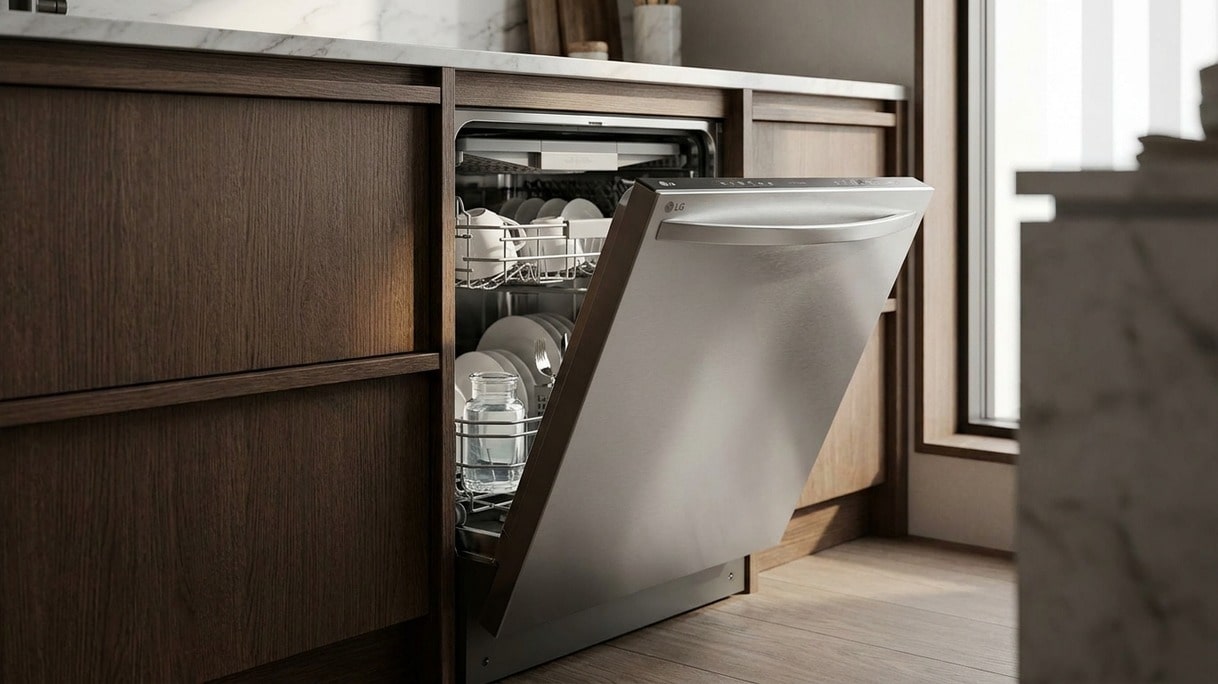
Step 3. Clean the Dishwasher Interior
• Place a dishwasher-safe cup filled with white vinegar on the bottom rack.
• Run a hot wash cycle (without detergent) to dissolve grease and deodorize the interior.
Vinegar naturally neutralizes odors and removes mineral deposits. For enhanced results, run a second cycle using baking soda sprinkled on the bottom of the tub. Many LG models also feature a dedicated dishwasher clean cycle for deep sanitation.
-
Step 4. Clean the Gasket Seals
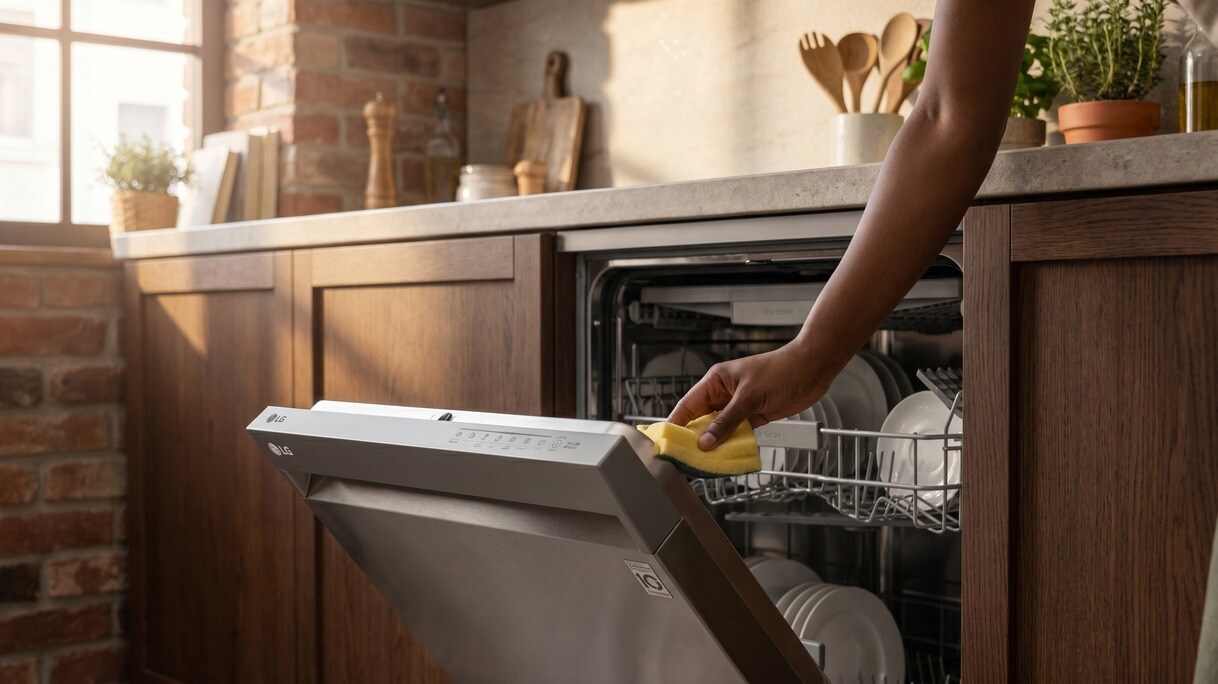
• Wipe the rubber door gasket and seals with a damp cloth and mild soap.
• Pay special attention to folds and corners where grime and mildew can accumulate.
The answer is: Keeping seals clean prevents odor-causing buildup and ensures a tight closure for every wash. LG’s stainless steel interiors are designed for easy maintenance and lasting freshness.
-
How to Prevent a Dishwasher from Smelling
-
In short, regular maintenance and smart usage are the keys to preventing Dishwasher Odor from returning. Here’s how to keep your appliance fresh every day:
• Rinse dishes lightly before loading to prevent large food particles from clogging the filter.
• Run hot cycles or sanitize functions weekly—LG’s TrueSteam™ in Dishwashers offer dedicated hygiene options.
• Leave the door ajar for 30 minutes after each cycle to allow moisture and odors to escape.
• Wipe the interior and seals regularly, especially after washing heavily soiled dishes.
• Use recommended detergents and cleaning agents for your model—learn more about LG’s compatible dishwasher products on our support page.
Data from independent testing indicates that regular filter cleaning and proper ventilation can reduce Dishwasher Odor incidents by over 70%.
-
Choosing a Dishwasher That Helps Prevent Odor

-
The main benefit of choosing an advanced dishwasher is built-in odor prevention. According to energy efficiency studies, LG dishwashers feature:
• Stainless steel tubs that don’t absorb odors like plastic interiors can
• EasyClean filter systems for quick debris removal
• TrueSteam™ and QuadWash™ for thorough cleaning and fewer trapped particles
• ThinQ™ Wi-Fi connectivity to schedule cleaning cycles and receive maintenance reminders
Research shows that dishwashers with stainless steel tubs and steam cleaning are up to 40% more effective at odor removal than basic models. Based on independent testing, these advanced features can significantly reduce lingering smells and improve overall hygiene.
FAQ
-
Q.
What causes a smelly dishwasher?
-
A.A smelly dishwasher is usually caused by a clogged filter, food debris, grease, mildew, or standing water. These factors allow bacteria and odors to develop inside the appliance, leading to persistent smells if not addressed.
-
Q.
How often should I clean my dishwasher?
-
A.You should clean your dishwasher filter every 1-2 weeks and run a cleaning cycle or sanitize function at least once a month. Regular maintenance prevents Dishwasher Odor and keeps your appliance running efficiently.
-
Q.
Is It Safe to Clean a Dishwasher with Bleach?
-
A.It is generally not recommended to use bleach in a stainless-steel dishwasher, as it can damage the interior. Always refer to your manufacturer's guidelines and use approved dishwasher cleaners for safe Odor removal.
-
Q.
How to get rid of bad smell in dishwasher?
-
A.To get rid of a bad smell in your dishwasher, clean the filter, wipe the interior, run a hot cleaning cycle with vinegar or specialized cleaner, and leave the door open to dry. Regular upkeep prevents future Odors.
-
Q.
What is the sterilise function on a dishwasher?
-
A.The sterilise function on a dishwasher is a high-temperature wash cycle designed to kill bacteria and sanitize dishes. This feature helps reduce Dishwasher Odor by removing odor-causing microbes and residue.