


Microwave Buying Guide: How to Choose a Microwave
-
Choosing the right microwave can transform your daily cooking and reheating routines. In this comprehensive microwave buying guide, we’ll explore how microwave size, microwave type, and innovative features can help you select the ideal appliance for your kitchen. Whether you’re looking for a compact solution or a family-size powerhouse, understanding your options will ensure you make the best choice for your needs.
-
Size & Capacity: Finding the Right Fit for Your Family
-
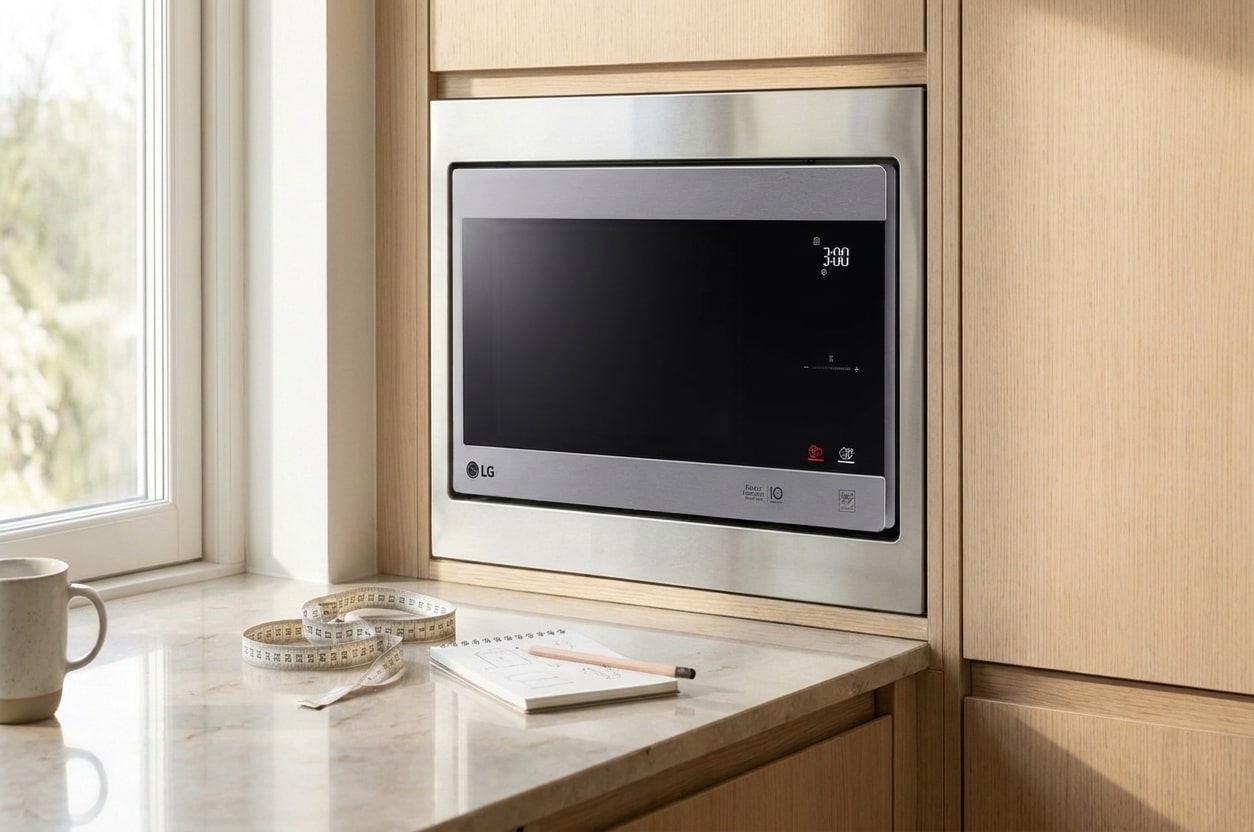
Microwave size is one of the most important factors when choosing a new microwave oven. Selecting the correct dimensions and capacity ensures your appliance fits your kitchen and meets your household’s needs. Standard microwave sizes typically range from compact (15–20 litres) for singles or couples, to large (30–42 litres) designed for families or frequent entertainers.
• Small microwave: 15–20L, ideal for tight spaces and occasional use
• Standard microwave: 21–30L, suitable for most families
• Large microwave: 31–42L, great for family meals, baking, and grilling
Microwave dimensions also matter for installation. Measure your countertop or built-in space before purchasing. According to research, most family-size microwaves require at least 50cm width and 40cm depth. If you’re wondering “what size microwave do I need?”—for a family of four, look for models around 28–32L for the best balance of space and efficiency.
Learn more about microwave capacity and explore our range of family-size microwaves to match your lifestyle.
-
Microwave Types Compared: Solo, Grill, and Convection
-
Knowing your microwave type is essential. The main types include solo, grill, and convection microwaves—each designed for different cooking preferences. Here’s how they compare:
• Solo microwave: Basic reheating and defrosting, ideal for simple daily tasks
• Grill microwave: Includes a heating element to brown and crisp food, perfect for toasting and grilling
• Convection microwave: Combines microwaves energy with convection heating for baking, roasting, and more versatile cooking
• Combination microwave oven: Offers both grill and convection functions
For users who love baking or need an all-in-one appliance, a convection microwave is a smart choice. Solo models are great for students or small households, while grill and combination ovens provide added flexibility.
Explore our microwave oven guide to discover how each type fits into your daily cooking.
-
Installation Types: Selecting the Right Fit for Your Kitchen Layout
-
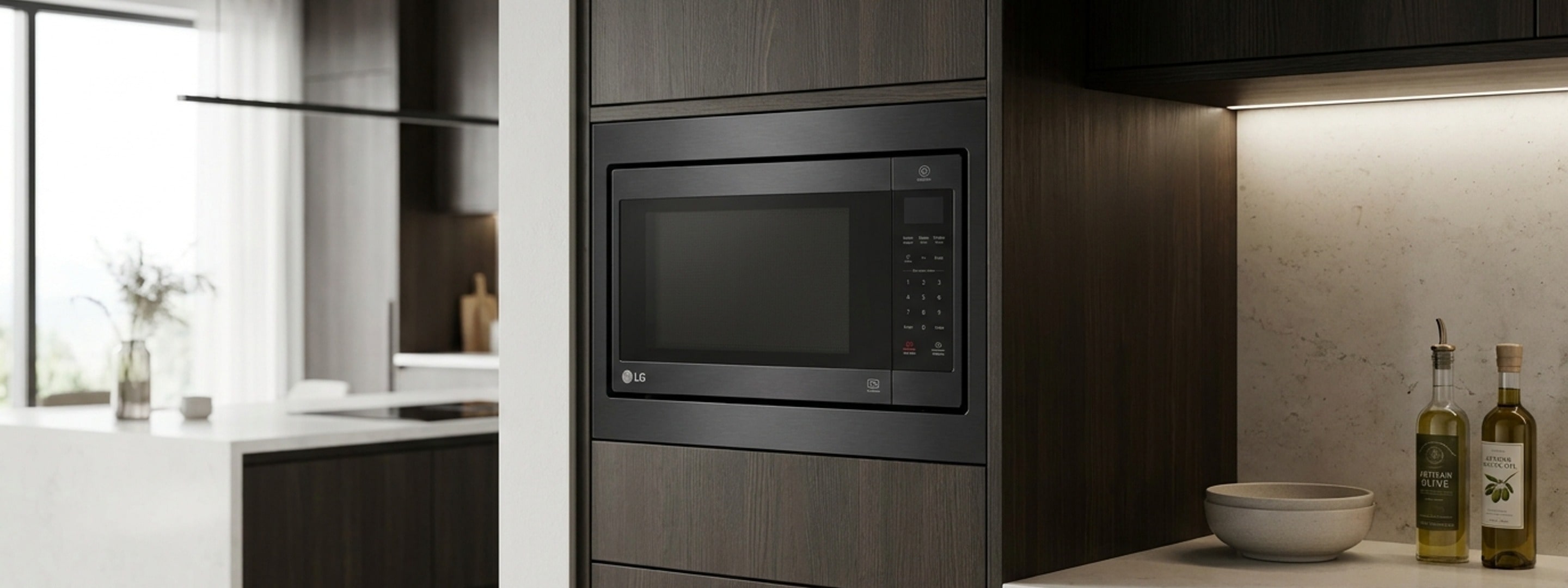
In short, microwave installation type determines how seamlessly your new appliance fits into your kitchen design. The two main options are:
• Countertop microwave: Freestanding, plug-and-play, and easy to move or relocate
• Built-in microwave: Installed flush with cabinetry for a premium, custom look—often with a trim kit for a seamless finish
According to kitchen appliance layout experts, built-in microwaves save countertop space and create a cohesive appearance, while countertop models offer flexibility and simplicity. Consider your available space, microwave dimensions, and how you use your kitchen daily.
Discover how to achieve the perfect kitchen setup by choosing the right microwave installation for your lifestyle.
-
Microwave Power: Why Higher Wattage Matters
-
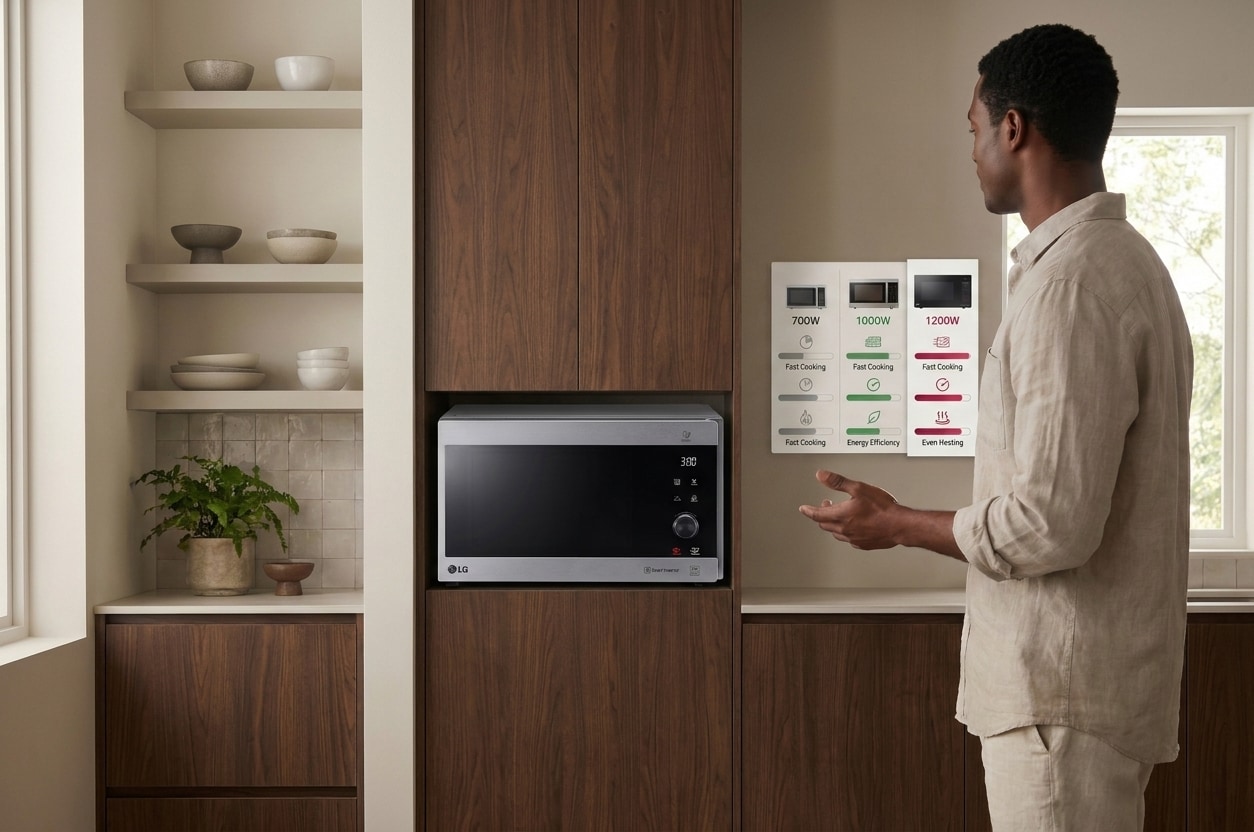
The main benefit of higher microwave wattage is faster, more even cooking. Microwave wattage refers to the power output, usually ranging from 700W in compact models up to 1200W or more in premium family-size microwaves. Research shows that a microwave 1000W or above significantly improves microwave performance—food cooks more quickly, defrosts evenly, and textures are better preserved.
• 700–900W: Good for reheating and light cooking
• 1000–1200W: Best for full meals, baking, and high-performance tasks
High wattage microwaves are ideal for busy kitchens where time and consistent results matter. If you want an energy efficient microwave, modern inverter models provide precise power control for optimal results and lower energy usage.
Learn more about microwave wattage and performance in our detailed product specifications.
-
Key Microwave Features to Look For

-
Modern microwaves offer a host of features that go far beyond basic reheating. In this microwave buying guide, consider which innovations matter most to your routine. Popular microwave ovens features include:
• LG ThinQ™ smart connectivity for remote control and recipe management
• Inverter technology for precise power and energy savings
• Sensor cooking for automatic heat and time adjustments
• Steam cooking and air fryer modes for healthy meal options
• EasyClean™ interiors for effortless maintenance
Explore our range of smart microwave ovens to experience the latest trends and technologies.
-
Smart Inverter Technology for Heating
-
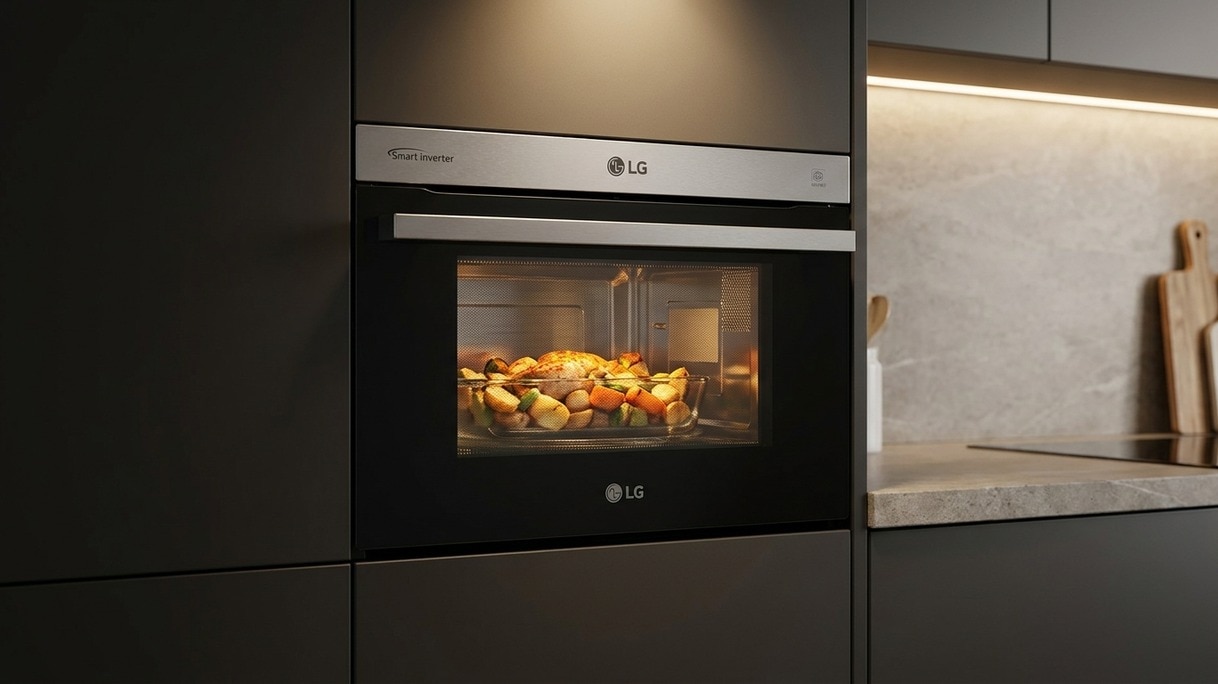
Smart inverter technology is an LG innovation that delivers precise control over microwave power. Unlike traditional fixed-power microwaves, an inverter microwave can adjust output for even, energy efficient cooking. The LG NeoChef™ smart inverter microwave, for example, uses this technology to defrost, reheat, and cook with exceptional accuracy, reducing cold spots and overcooking.
Smart inverter microwaves are also more energy efficient, saving up to 17% on power consumption compared to non-inverter models.
Discover how smart inverter technology improves microwave performance and reliability.
-
Cooking Functions Beyond Reheating
-
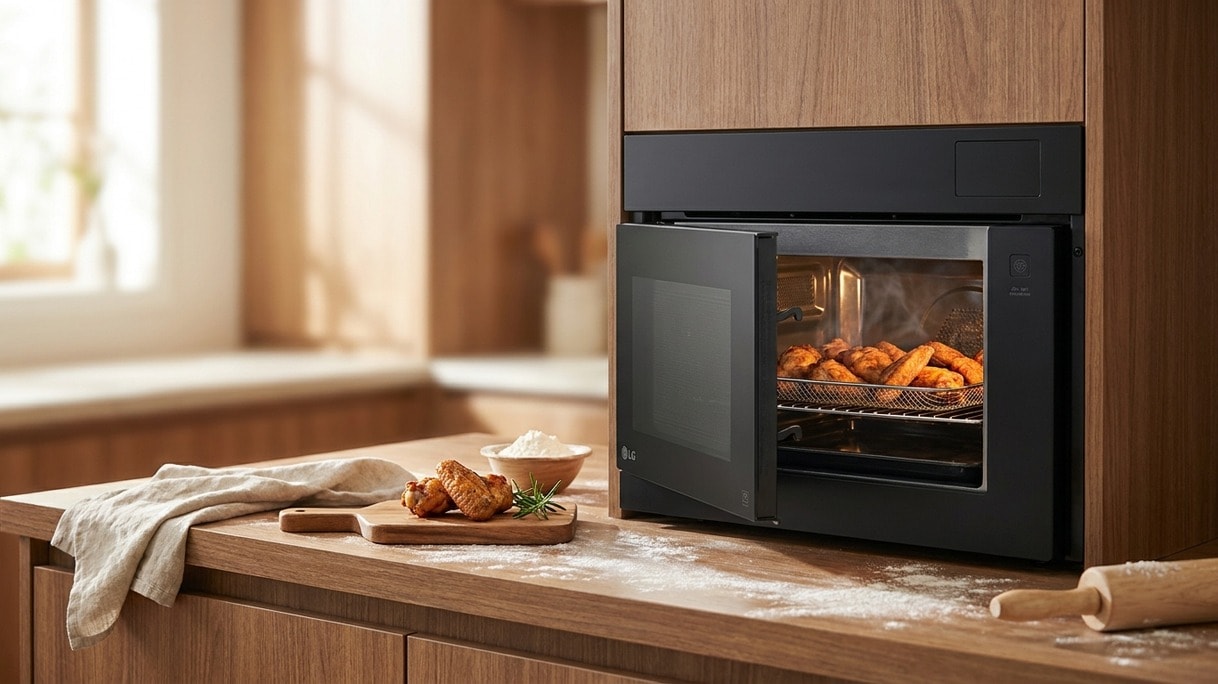
Today’s microwave ovens are equipped with advanced cooking features. Sensor cooking, for example, uses humidity sensors to automatically adjust time and power for perfect results. Microwaves with steam or air fryer modes let you prepare crispy, healthy meals with less oil.
Microwave with sensor cook or steam can replace multiple appliances, making meal prep simpler. LG’s convection microwaves offer baking, roasting, and air frying in one device.
Explore our microwave oven guide to unlock new cooking possibilities.

-
EasyClean Technology for Maintenance
-
EasyClean™ is LG’s proprietary coating that makes cleaning your microwave simple and hassle-free. EasyClean refers to a special enamel interior that resists stains and buildup, so you can wipe away messes with just a damp cloth—no harsh chemicals needed.
This technology keeps your microwave hygienic and looking like new, saving time and effort after every use. Explore our easy cleaning microwave options for the ultimate in convenience.
-
Choose the Best LG Microwaves for Your Household
-
The best way to choose a microwave is to match microwave size, microwave type, and features to your household’s unique needs. Here are some popular LG models to consider:
• LG NeoChef™ 25L Solo Microwave (MS2595CIS): Compact, smart inverter, EasyClean interior. View product
• LG NeoChef™ 32L Grill Microwave (MH8265CIS): Larger capacity, grill function, sensor cooking. View product
• LG NeoChef™ 39L Convection Microwave (MJ3965ACS): Family-size, convection, air fryer, ThinQ smart features. View product
Explore our full range of LG microwaves to find the right fit for your kitchen.
-
Pro-Tips for Choosing and Using Your Microwave
-
Maximize your microwave’s potential with these expert tips:
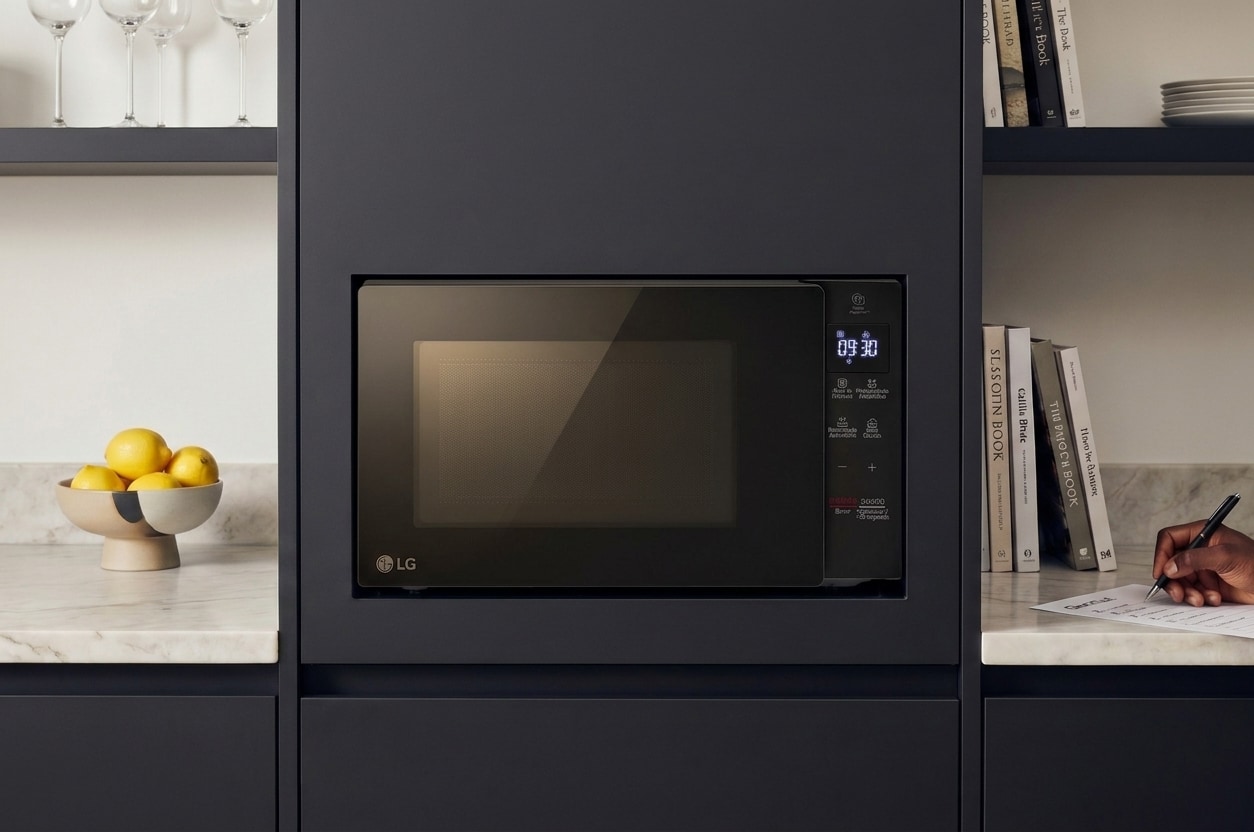
• Always check microwave size and dimensions before purchase to ensure a perfect fit.
• opt for inverter microwaves for superior performance and energy savings.
• Utilize sensor cooking and smart features for consistent, hands-free results.
• Place your microwave near a power outlet and ensure proper ventilation for safety.
• Explore recipes beyond reheating—try baking, grilling, or steaming for variety.
For more advanced tips, discover how LG ThinQ connectivity and sensor cooking can simplify your kitchen routine.
-
Regular Maintenance & Care Tips
-
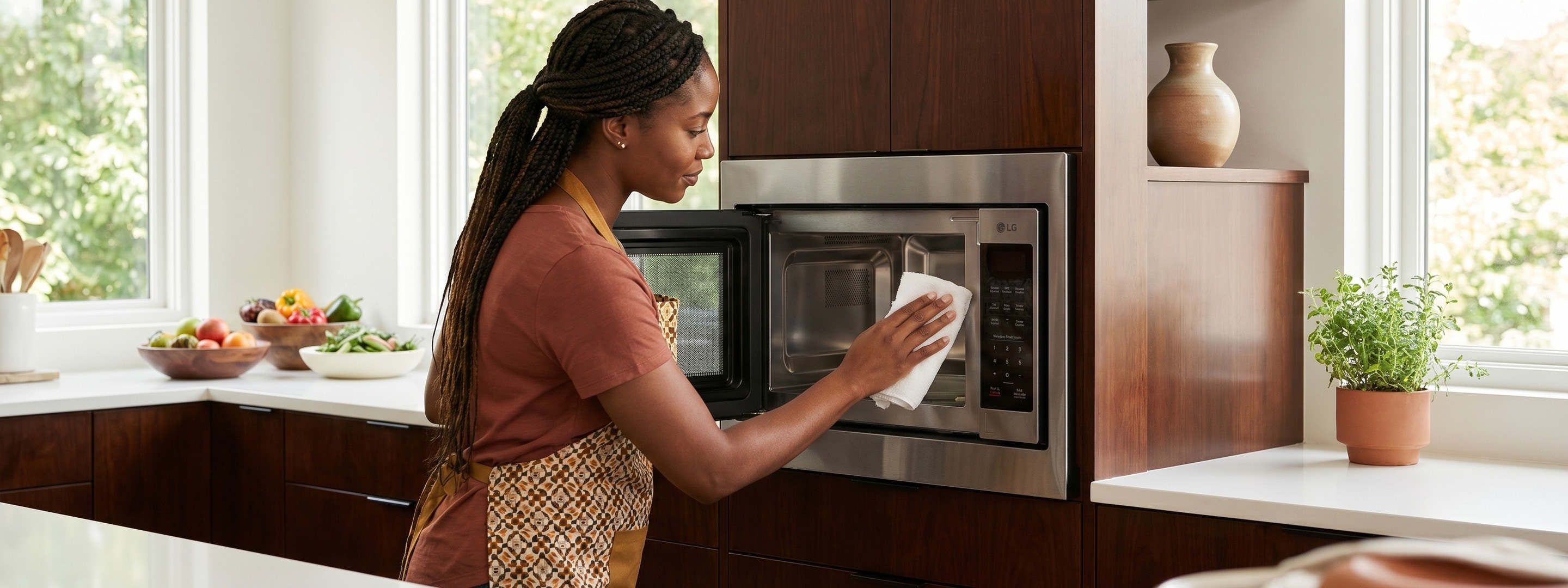
Keeping your microwave in top condition is easy with a few simple routines. The answer is: regular maintenance extends appliance life and ensures food safety.
1. Wipe the interior with a damp cloth after each use, especially if spills occur.
2. Use LG’s EasyClean™ feature for effortless cleaning of stubborn residue.
3. Remove and wash the turntable in warm, soapy water every week.
4. Check the door seal and hinges regularly for debris or damage.
5. Schedule periodic deep cleans with a mix of water and lemon juice to neutralize Odors.
Based on independent testing, a well-maintained microwave can deliver consistent performance for years.
FAQ
-
Q.
What size microwave do I need for a family of 4?
-
A.For a family of 4, the ideal microwave size is typically between 25 and 32 litres. This allows enough interior space to handle larger dishes and family-sized portions, ensuring convenience for daily cooking and reheating needs.
-
Q.
Is a higher wattage microwave better for cooking?
-
A.Yes, a higher wattage microwave cooks food more quickly and evenly. Models with 1000W to 1200W provide better performance for defrosting, reheating, and cooking, as confirmed by energy efficiency studies.
-
Q.
What is the difference between a convection and a regular microwave?
-
A.A convection microwave combines regular microwave heating with a fan and heating element for baking and roasting, whereas a regular microwave only reheats and cooks using microwaves. This makes convection models more versatile.
-
Q.
What can I actually do with the LG ThinQ app on a smart microwave?
-
A.With the LG ThinQ app, you can remotely start, stop, monitor, and adjust your smart microwave's settings. You can also download new cooking presets and receive maintenance alerts for easy use and care.
-
Q.
How do I determine the right installation type for my kitchen?
-
A.To determine the right installation type, consider your kitchen layout and available space. Countertop microwaves are portable and easy to set up, while over-the-range and built-in models save counter space but require professional installation. Assess your needs and kitchen design before choosing.