


Food Storage Hacks for Ramadan Season
-
Ramadan Kareem! The challenge of keeping food fresh, organized, and ready during the Holy Month is something that every Muslim household is all too familiar with, whether you're preparing jollof rice for a crowd at Maghrib or getting up at four in the morning to quickly prepare suhoor. With extended fasting periods, which can range from 13 to 14 hours, proper food storage is not only practical but also necessary.
-
If you've ever asked:
How should I store cooked food?
From Iftar to Suhoor, how can I maintain the freshness of the food?
In this hot climate, how can food be kept from spoiling?
This is your guide.
Let's examine useful, affordable, and stress-relieving food storage tips for Ramadan.
-
Why It's Important to Store Food Correctly During Ramadan
Food, particularly rice, dairy, stews, and soups, can spoil rapidly due to the country's heat and erratic power supply.
-
During Ramadan, proper storage helps you:
- Avoid wasting food.
- Spend less on groceries.
- Reduce the stress associated with cooking every day.
- Maintain food safety and cleanliness.
- Organize Iftar and Suhoor more effectively.
-
Additionally, everything is made simpler with the proper refrigerator configuration.
-
1. Prepare and portion your meals in advance.
Batch cooking is one of the best kitchen tips for Ramadan.
Rather than preparing meals every day:
-
· Make a lot of stew, egusi, ogbono, or ayamase.
· Jollof, white rice, and fried rice should all be cooked in batches.
· Proteins (chicken, beef, turkey, and fish) can be grilled or fried.
· Divide them among smaller, airtight containers.
Pro Tip: Label containers "Day 1 Iftar," "Day 2 Suhoor," etc. to store portions according to the days.
After Taraweeh prayers, when you're already exhausted, this speeds up the meal preparation process.
-
2. Properly Store Soups and Stews
Soups are the focal point of the kitchen in Nigerian households.
-
To avoid spoiling:
- Before putting soups in the refrigerator, let them cool completely.
- Keep in airtight containers.
- Portions that you won't use within two to three days should be frozen.
- Steer clear of frequent reheating as it lowers quality and raises the risk of spoiling.
-
The best way to store food during Ramadan is to separate soups into smaller containers so that you only defrost what you need.
-
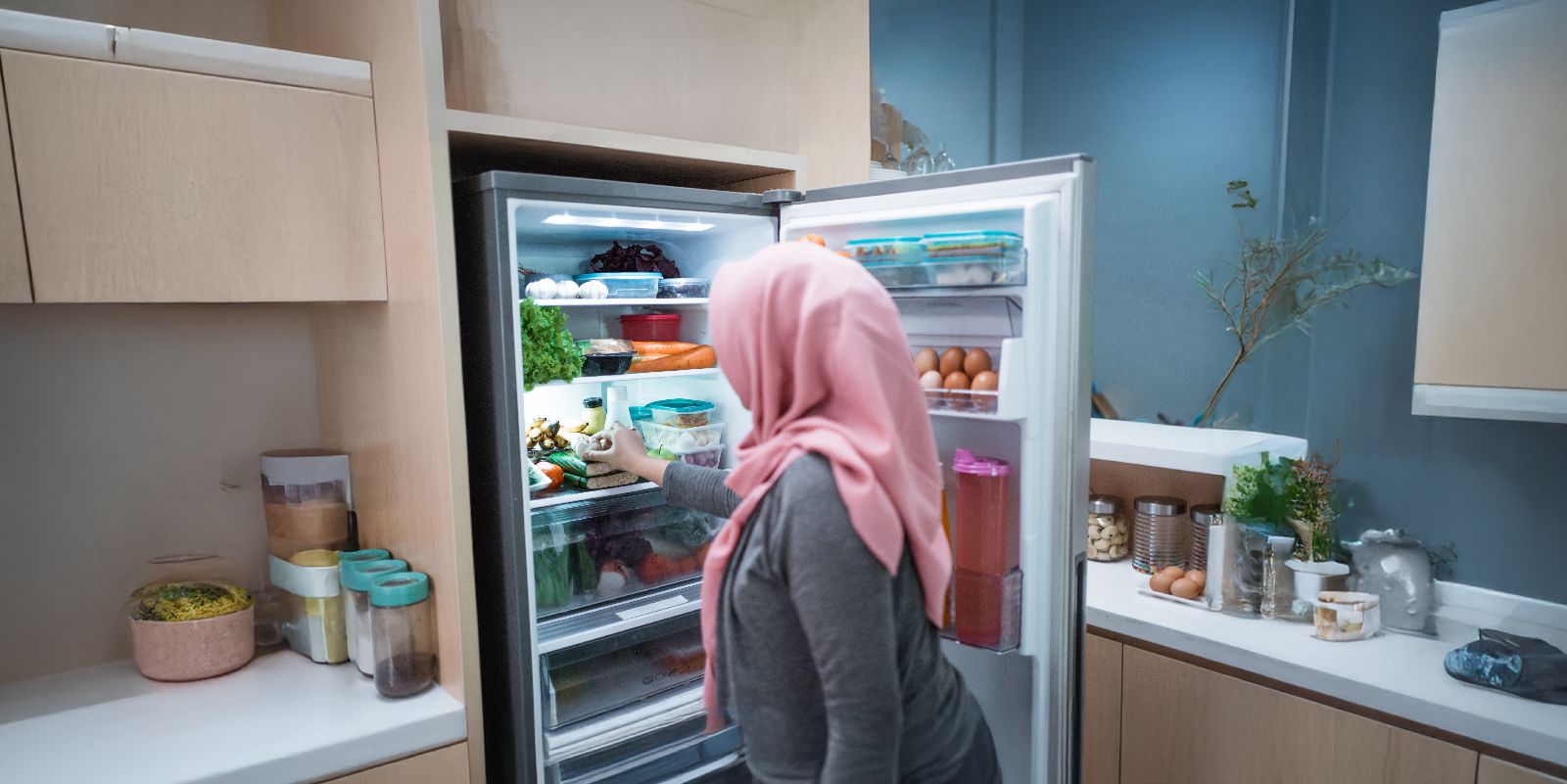
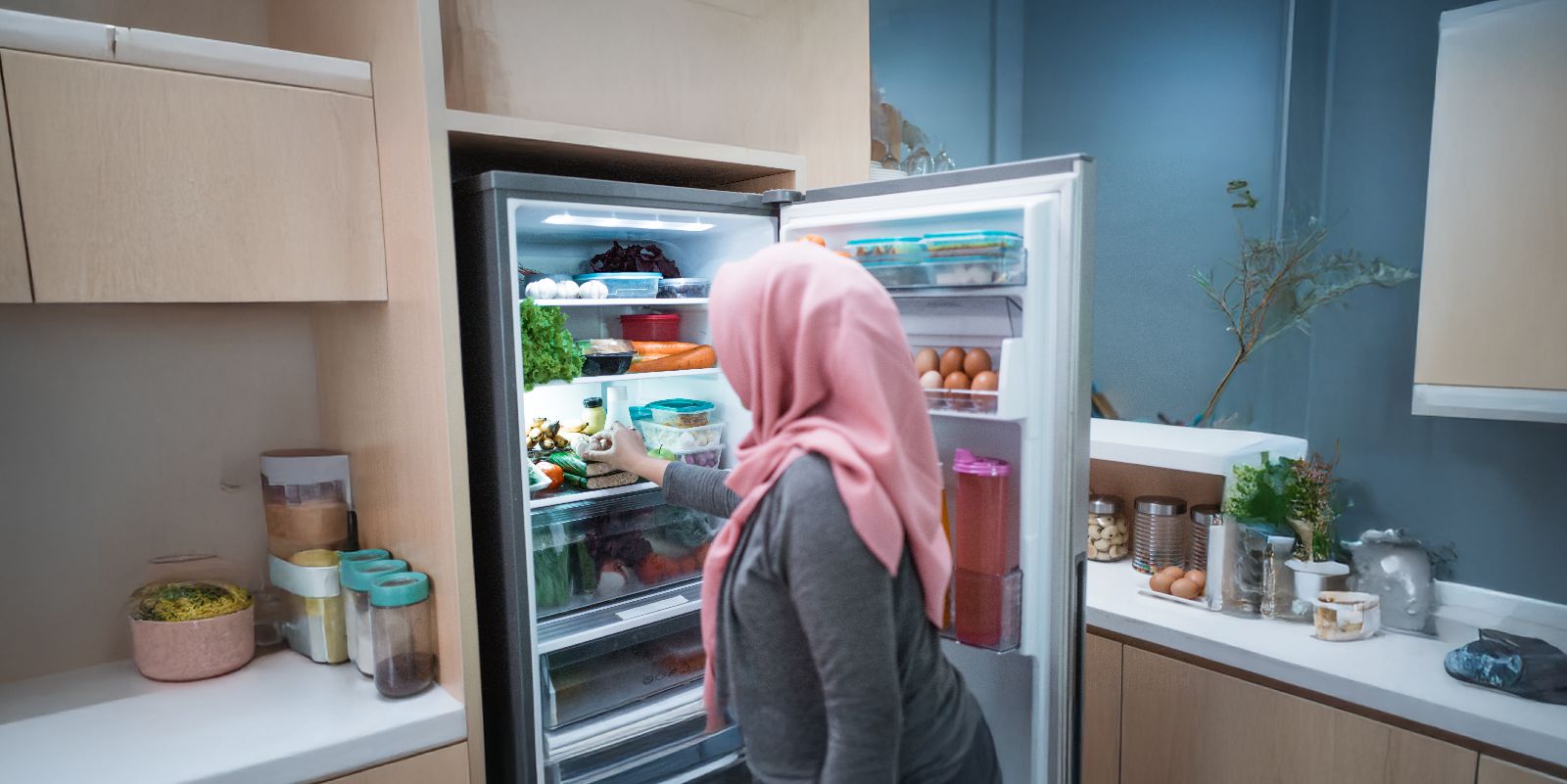
3. Set Up Your Refrigerator for Convenient Access While Fasting
The last thing you want at 4:30 AM when fasting is to rummage through a cluttered refrigerator.
This is how you should arrange your refrigerator:
-
Upper Shelf:
- Dairy products include milk, yogurt, and zobo concentrate.
- Suhoor ready-to-eat meals
-
The middle shelf:
- Rice that has been cooked
- Soups and stews
-
Lower Shelf:
- Seafood and raw meat (well sealed)
-
Drawer for Crispers:
- Fruits (apples, pineapple, and watermelon)
- Salad vegetables
-
This Ramadan, having a neat refrigerator eases stress and helps you concentrate on what really counts.
-
4. Use Smart Cooling Technology for Longer Freshness
-
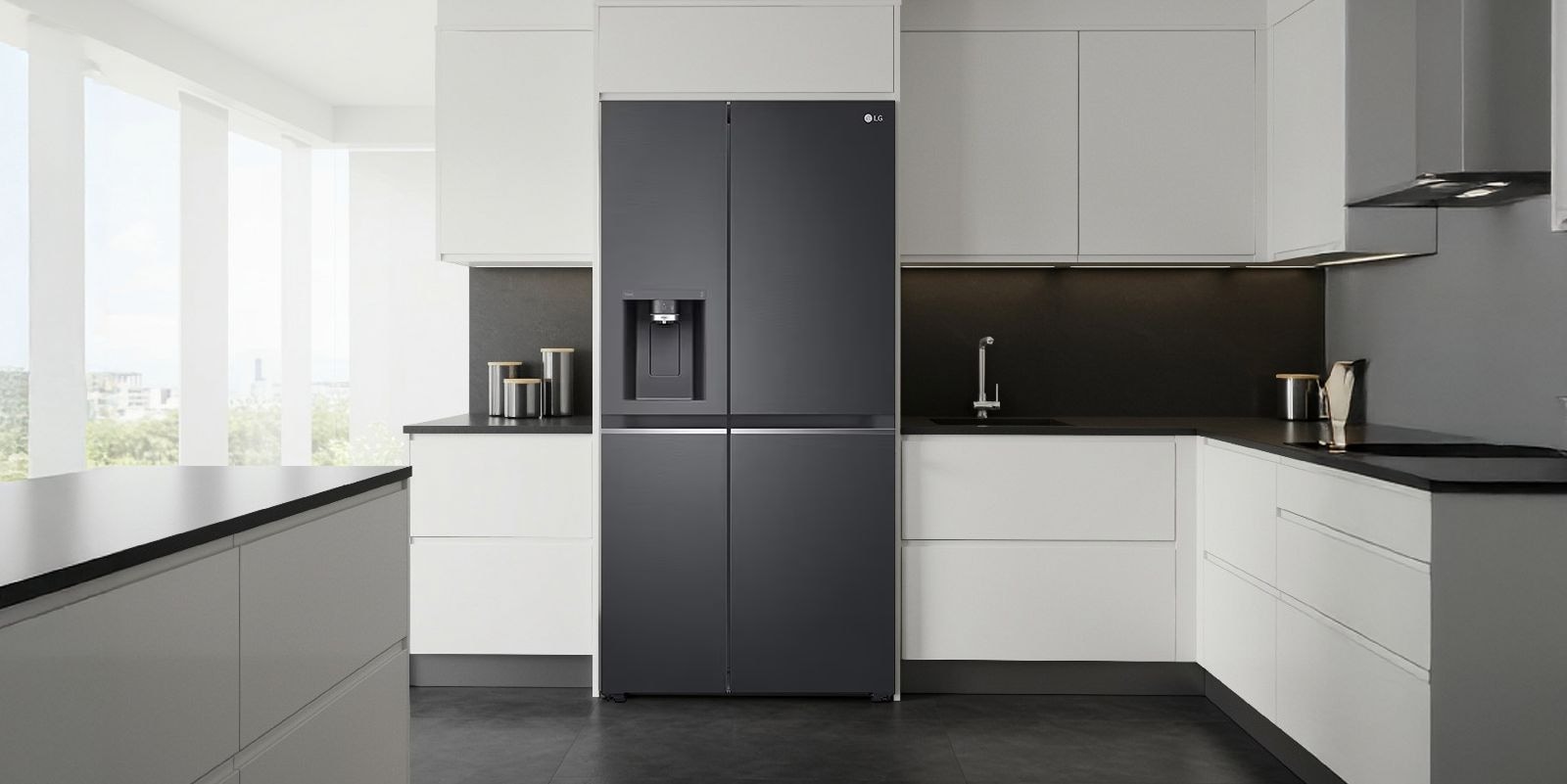
Ramadan is marked by extreme heat and erratic power supplies. For this reason, purchasing a dependable refrigerator is important.
The LG Side by Side Refrigerator is made for contemporary homes that require:
-
- Strong cooling
- uniform distribution of temperatures
- Lots of storage space for shopping in bulk during Ramadan
-
This type of capacity and cooling consistency is crucial for families who purchase food in bulk during Ramadan.
-
5. Store Fruits for Iftar the Smart Way
Fruits are a must for breakfast.
Top fruits for Ramadan: Dates, watermelon, pineapple, Apples and BananasStorage Hack:
- Fruits should be cleaned and dried before being stored.
- Cut the pineapple and watermelon into slices in advance.
- Keep in airtight containers.
- Cut fruits should be kept in the main refrigerator section rather than the door.
This speeds up the preparation of Iftar, particularly when Maghrib is approaching and everyone is hungry.
-
6. Maintain Ready and Fresh Drinks
Ramadan favorites in Nigerian households include:
- Zobo
- Kunun aya
- Fresh juice
- Chapman
- Water from coconuts
Drinks should be refrigerated at constant temperatures and kept in sealed bottles.
It is simpler to keep drinks and cooked food apart in a refrigerator that is arranged side by side, avoiding cross-odor contamination.
7. Steer clear of typical food storage errors during Ramadan<
The following errors are common in households:
- Putting hot food straight into the refrigerator X
- Keeping cooked food at room temperature overnight X
- Packing the refrigerator too full X
- Keeping raw meat exposed X
- Opening the refrigerator frequently during NEPA outages
Steer clear of these to avoid food waste and food poisoning.
8. Make a Weekly Meal Plan for Ramadan
Planning is one of the best ways to organize your kitchen during Ramadan.
Make plans for:
- Three to four soups per week
- Two to three types of rice
- Options for protein
- Rotation of fruits
- Drinks
After that, put them in your refrigerator in a convenient location.
You can concentrate more on worship, family, and introspection as a result of thiss tress reduction.
Final Thoughts
Ramadan is not about cooking stress; it's about community, devotion, and peace.
A refrigerator that is well-organized, smart storage practices, and appropriate meal planning allows you to:
Reduce food waste, save time, safeguard the health of your family, and devote more time to worship.
Make your kitchen more efficient this Ramadan so you can concentrate on the important things.Further Reading: