




Is Your HVAC System Working For or Against IAQ?
-
Key takeaways
● People spend about 90% of their time indoors, making indoor air quality (IAQ) a major factor in health and comfort.
● East African buildings face unique IAQ challenges, including solid-fuel cooking, seasonal dust, high humidity and urban traffic pollution.
● Effective IAQ depends on three core strategies: source control, ventilation and filtration, supported by regular HVAC maintenance.
● Mechanical ventilation and Energy Recovery Ventilation (ERV) improve indoor air quality by supplying fresh outdoor air while reducing the energy loss associated with ventilation.
● Regular filter maintenance is essential in dusty environments such as many East African cities, where filters can clog faster than standard maintenance schedules anticipate.
Indoor air may be more polluted than you think. Air inside homes and workplaces can sometimes contain higher pollutant concentrations than outdoor air, according to theWorld Health Organization (WHO) . The WHO notes that exposure to pollutants from cooking, heating, poor ventilation and other household sources can significantly affect health, especially in East Africa where solid fuels like charcoal, kerosene and wood are commonly used. Other indoor pollution sources include cleaning products, furniture and building materials, which continuously release contaminants into living and working spaces. Since most people spend about 90% of their time indoors, this exposure builds quickly over time.
Understanding what affects your indoor air is the first step to improving it. This guide explains the most common indoor air pollutants, their health effects, and practical ways to improve indoor air quality in East African homes and workplaces. It references guidance from the World Health Organization (WHO) and ASHRAE as widely recognised benchmarks, though local regulations and standards should always take precedence.
-
What HVAC factors affect indoor air quality?
HVAC systems influence IAQ through three functions: ventilation, filtration, and operation and maintenance. Together they reduce pollutant buildup, capture airborne particles, and keep performance consistent over time.
1. Ventilation
Ventilation brings fresh outdoor air indoors, helping dilute pollutants and improve indoor air quality. ASHRAE recommends a minimum residential ventilation rate of 0.35 air changes per hour (ACH), with no less than 15 cfm per person, although local building codes may differ. Carbon dioxide (CO₂) is commonly used as an indicator of ventilation effectiveness rather than air quality itself.
In many parts of East Africa, natural ventilation involves a trade-off. Opening windows improves airflow but can also bring in dust, outdoor pollution, or seasonal humidity. This makes mechanical ventilation a more reliable option in many commercial buildings and modern airtight homes.
2. Filtration
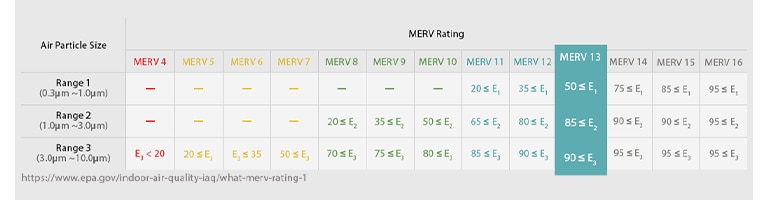
Filtration captures airborne particles as air passes through HVAC equipment. Manufacturers commonly rate filter performance using MERV in the U.S. and ISO 16890 in many other markets to show how effectively filters capture particles of different sizes. In dustier cities like Nairobi and Kampala, especially during the dry season, filters can clog faster than manufacturer maintenance schedules anticipate, making more frequent inspection and replacement essential.
3. Operation and maintenance
Ventilation and filtration perform as intended only when HVAC systems receive regular maintenance. Clogged filters reduce airflow and system efficiency. Frequent grid interruptions increase wear on filters and other components. Regular filter replacement, airflow checks, and system inspections help maintain consistent indoor air quality (IAQ) over time.
-
What are the common sources of indoor air pollution in East Africa?
-
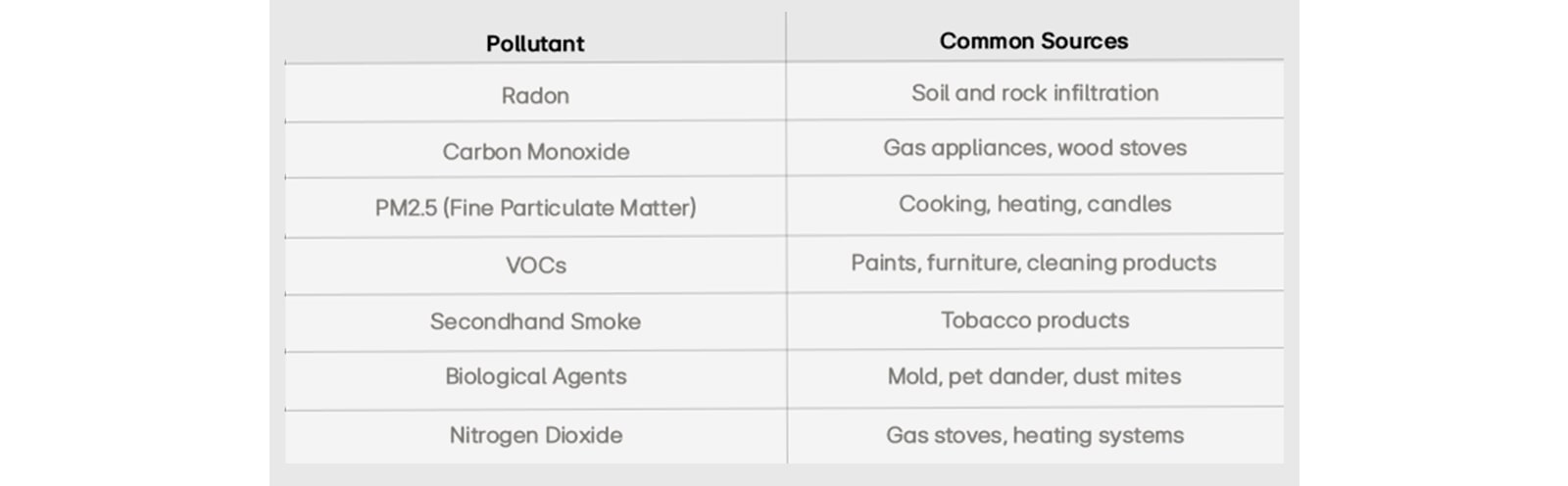
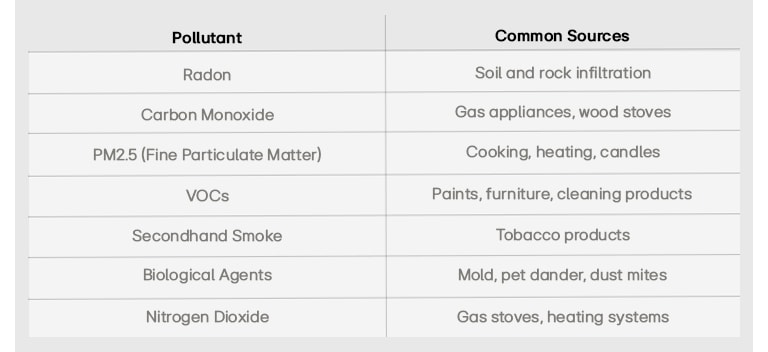
Indoor air quality is affected by a range of pollutants from everyday activities and environmental conditions. In East Africa, the most common include:
● Fine particulate matter (PM2.5) from charcoal, kerosene and wood used for cooking and heating, as well as dust from unpaved roads and traffic emissions. These tiny particles penetrate deep into the lungs and are a major contributor to household air pollution.
● Carbon monoxide (CO) from charcoal stoves, kerosene appliances, generators and other fuel-burning equipment, particularly in poorly ventilated spaces. CO acts quickly, making it one of the more immediate dangers among indoor pollutants.
● Nitrogen dioxide (NO₂) from gas and kerosene cooking appliances, traffic emissions and other combustion sources, linked to a share of childhood asthma cases.
● Volatile organic compounds (VOCs) from paints, adhesives, furnishings, building materials, cleaning products and air fresheners.
● Mould spores caused by persistent moisture, leaks, poor ventilation and high humidity, especially during rainy seasons in coastal and lakeside regions.
● Radon entering buildings through cracks and gaps in foundations where local geology contains naturally occurring radioactive rock or soil, a leading cause of lung cancer among non-smokers.


-
These pollutants rarely occur in isolation. Their concentration depends on outdoor air quality, ventilation, building design and how occupants use the space, making local conditions an important consideration when managing indoor air quality.
-
What are the health effects of poor indoor air quality?
Poor indoor air quality (IAQ) affects comfort, productivity and health. Some effects appear within hours of exposure, while others develop after months or years of repeated exposure.
● Short-term effects: Eye, nose and throat irritation, headaches, dizziness, fatigue, and worsened asthma or allergy symptoms.
● Long-term effects: Prolonged exposure to fine particulate matter (PM2.5) increases the risk of cardiovascular and respiratory diseases, while long-term radon exposure increases the risk of lung cancer.
● Higher-risk groups: Children, older adults, pregnant women, and people with existing heart or lung conditions are more vulnerable to the effects of indoor air pollution.
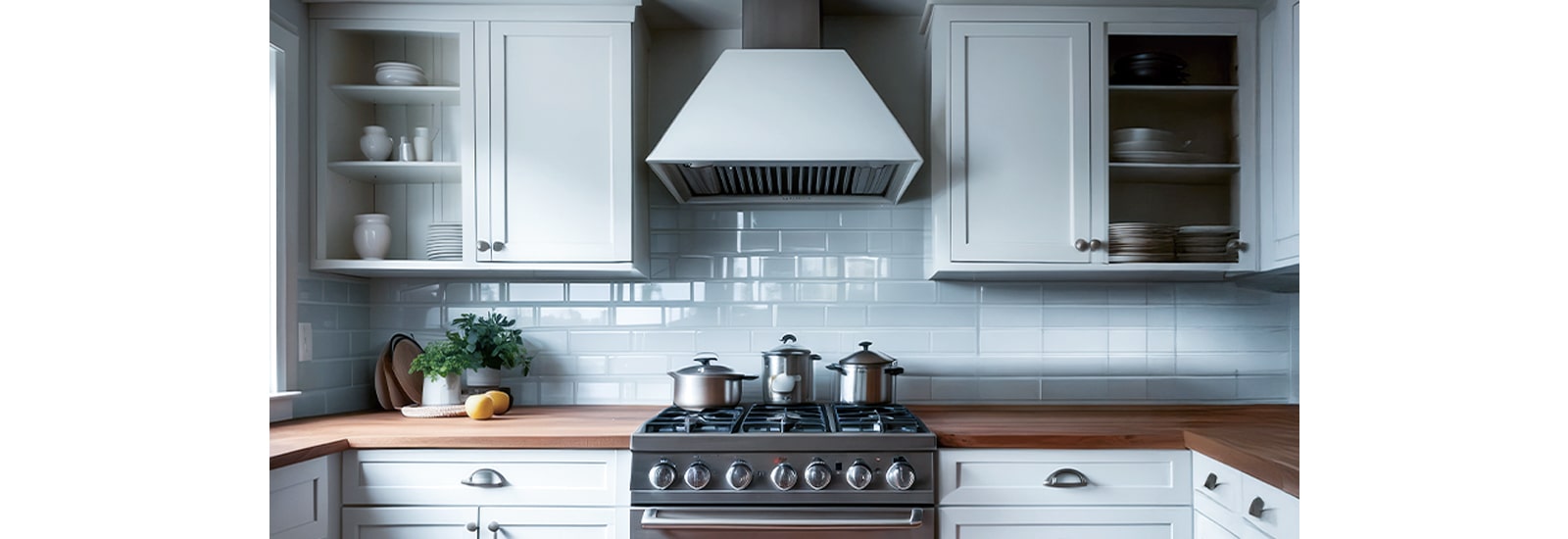
Across much of East Africa, household air pollution from cooking with solid fuels remains a major contributor to these health risks, making effective kitchen ventilation and extraction one of the most impactful ways to improve indoor air quality.
-
How can buildings ventilate indoor air effectively?
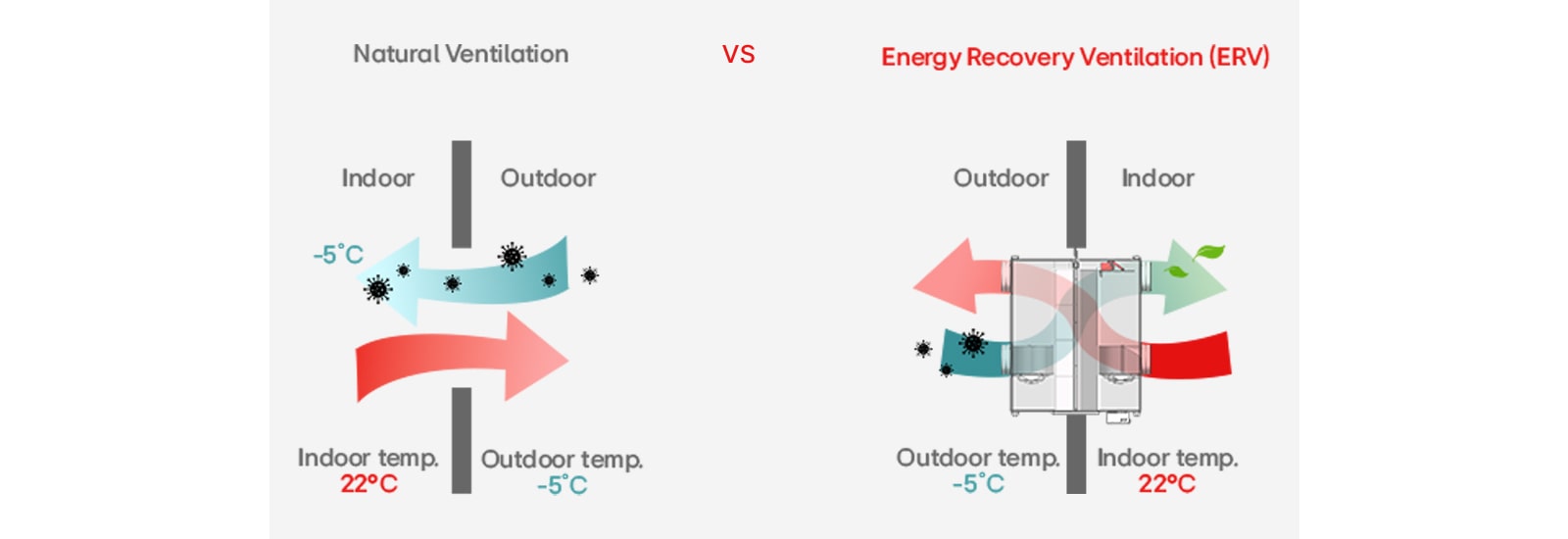
Reducing pollutant sources is important, but maintaining good indoor air quality also depends on effective ventilation. Natural ventilation can improve airflow but has practical limits in many buildings because outdoor air may contain dust, traffic pollution, or seasonal humidity.
● Open windows and doors when outdoor air quality is good, and dust or traffic pollution is low.
● Use kitchen and bathroom exhaust fans that vent outdoors, especially in homes that use charcoal or kerosene for cooking.
● Install mechanical ventilation in modern airtight buildings or where security, noise, or weather make opening windows impractical.
-
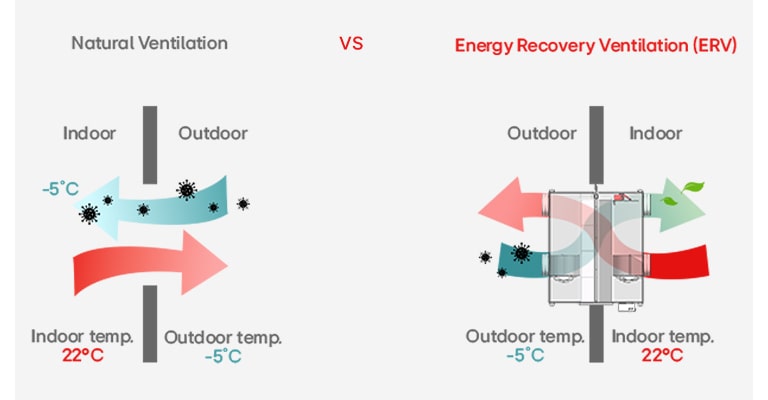
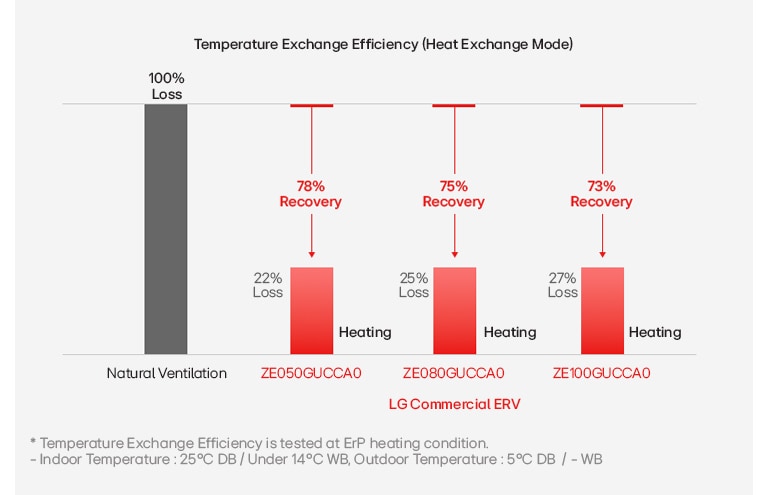
Opening windows also lets conditioned air escape, increasing cooling demand during warmer months and heating demand in cooler high-altitude regions. Energy Recovery Ventilation (ERV) systems reduce this energy loss by supplying fresh outdoor air and recovering heat or cooling from exhaust air.
Filtration complements ventilation by capturing airborne particles before they circulate indoors. Together with source control and regular HVAC maintenance, effective ventilation and filtration provide the foundation for healthier indoor air.

-
How LG HVAC solutions support Indoor Air Quality in East Africa
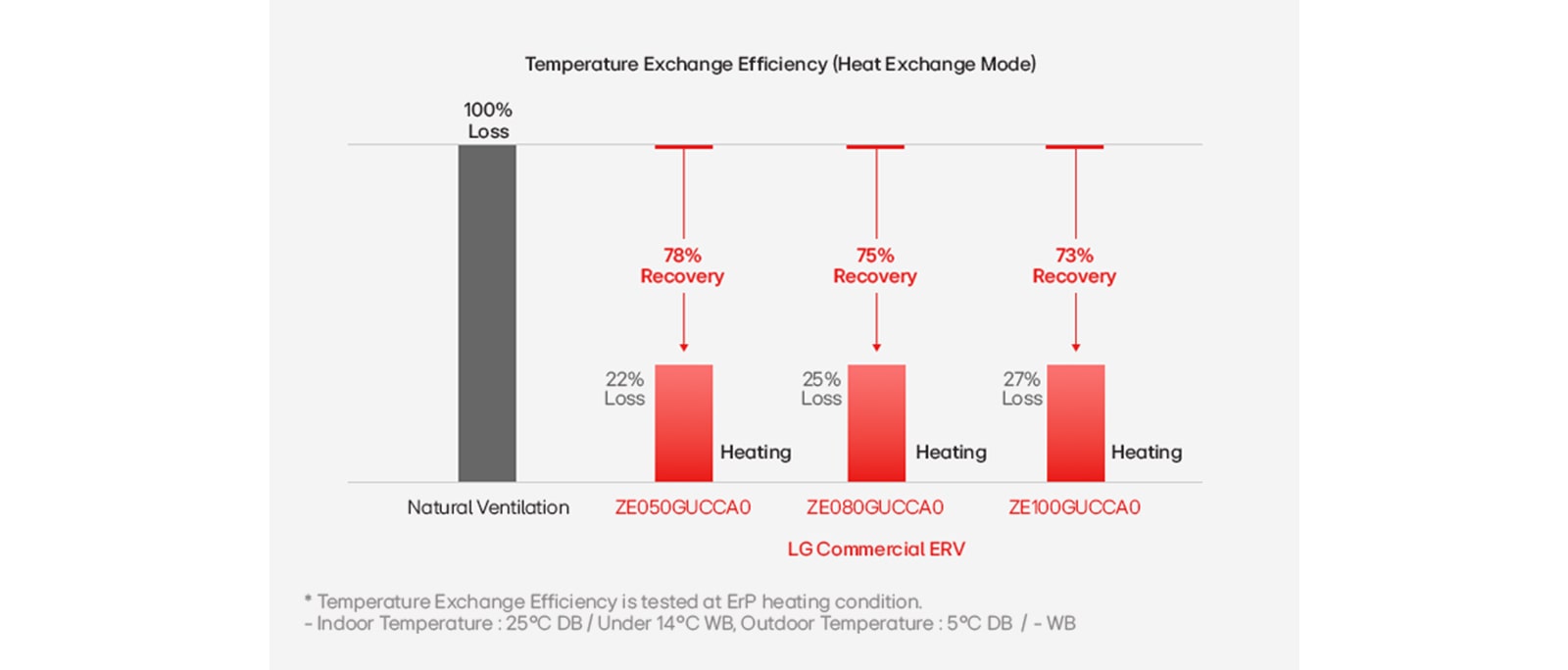
Good indoor air quality depends on effective ventilation, filtration and regular system maintenance. LG's Energy Recovery Ventilation (ERV) solutions combine these functions to help buildings bring in fresh outdoor air, remove stale indoor air and reduce energy lost during ventilation.
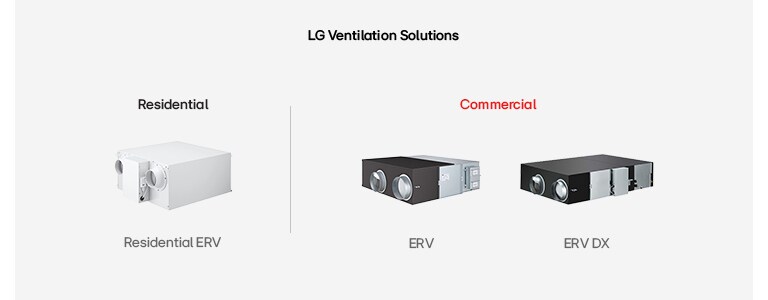
For homes and smaller commercial buildings, LG Residential ERV systems use total heat exchange technology to recover both heat and moisture, helping maintain more stable indoor temperatures and humidity. Depending on the model, features may include ISO 16890 ePM1 95% filtration, dual PM1.0 and CO₂ sensors, UVnano™ pre-filter treatment, antibacterial air passages, filter maintenance alerts and smart airflow controls. These features help manage fine dust, airborne contaminants and seasonal humidity commonly experienced across East Africa.
-
For offices, retail spaces, hotels, healthcare facilities and other commercial buildings, LG Commercial ERV systems provide continuous fresh air while supporting configurable filtration and CO₂-based demand-controlled ventilation. Standard filters are rated up to ISO 16890 ePM10 85%, with higher-efficiency filter options available for applications that require enhanced air quality.

-
Because dust levels, humidity and occupancy vary throughout the region, LG also includes features such as automatic airflow control, filter maintenance alerts and simplified filter replacement to support more effective day-to-day operation.
Product features, filtration classes and available configurations vary by model and application. LG HVAC solutions support ventilation and filtration but are not intended to prevent, treat or cure any medical condition. Contact LG East Africa to select the most appropriate solution for your building, or explore the full range of Ventilation Solutions (ERV) and HVAC Solutions for Business.
-
8 ways to improve indoor air quality
Improving indoor air quality starts with reducing pollution at its source and maintaining good ventilation. These practical steps can help create healthier indoor environments in homes and workplaces.
1. Reduce pollution at the source by moving charcoal or kerosene cooking outdoors or to a well-ventilated area with direct exhaust where possible.
2. Install carbon monoxide alarms in spaces with gas appliances, fuel-burning equipment, or backup generators.
3. Keep indoor spaces smoke-free, as there is no safe level of secondhand smoke exposure.
4. Improve ventilation by opening windows when outdoor air quality allows, using kitchen and bathroom exhaust fans, or installing mechanical ventilation or ERV systems in more airtight buildings.
5. Replace or clean HVAC filters according to the manufacturer's guidance, and inspect them more frequently during dry, dusty seasons.
6. Use portable air cleaners or higher-efficiency HVAC filters to supplement, not replace, source control and ventilation.
7. Choose low-VOC or certified low-emission paints, furnishings and cleaning products to reduce indoor chemical emissions.
8. Monitor indoor air quality by tracking pollutants such as PM2.5 and carbon dioxide (CO₂), while recognising that monitors complement, rather than replace, good ventilation and filtration.
-
Conclusion
Indoor air quality depends on how effectively buildings control pollution at its source, provide adequate ventilation and remove airborne contaminants through filtration. In East Africa, factors such as solid-fuel cooking, seasonal dust, humidity and urban air pollution make these measures especially important. Ventilation remains the foundation of good indoor air quality, while mechanical ventilation and Energy Recovery Ventilation (ERV) systems help deliver fresh outdoor air with lower energy loss. Combined with effective filtration, indoor air quality monitoring and regular HVAC maintenance, these strategies help create healthier, more comfortable and energy-efficient indoor environments for homes and commercial buildings alike.
Frequently asked questions
-
Q.
What are the main ways to improve indoor air quality?
-
A.The main ways to improve indoor air quality are source control, ventilation and filtration. Together, these strategies reduce pollutants, improve airflow and remove airborne particles.
-
Q.
How does ventilation improve indoor air quality?
-
A.Ventilation improves indoor air quality by replacing stale indoor air with fresh outdoor air, helping dilute pollutants, moisture and carbon dioxide (CO₂).
-
Q.
How does charcoal and kerosene cooking affect indoor air quality?
-
A.Charcoal and kerosene cooking affect indoor air quality by releasing fine particulate matter (PM2.5), carbon monoxide, and other combustion pollutants, especially in poorly ventilated spaces.
-
Q.
What filter rating is best for HVAC systems?
-
A.The best HVAC filter rating depends on your system's design. MERV and ISO 16890 ratings indicate how effectively filters capture particles of different sizes without unnecessarily restricting airflow.
-
Q.
Why is CO₂ monitoring important for indoor air quality?
-
A.CO₂ monitoring is important because it indicates how effectively a space is ventilated. Rising CO₂ levels often signal that more fresh air is needed.
-
Q.
How do Energy Recovery Ventilation (ERV) systems improve indoor air quality?
-
A.Energy Recovery Ventilation (ERV) systems improve indoor air quality by supplying fresh outdoor air, exhausting stale indoor air, and recovering heat or cooling energy to improve ventilation efficiency.