


The Role of HVAC in Sustainable Building Design
-
Buildings are responsible for nearly 40% of global energy consumption, and a significant share of that energy goes directly to heating, cooling, and ventilation. In East Africa, where electricity costs are rising, and grid reliability remains a challenge in many areas, that number hits closer to home. For architects, developers, facility managers, and homeowners looking to build smarter and more responsibly, the HVAC system is not an afterthought. It is the foundation.
This guide breaks down how HVAC systems shape sustainable buildings, what technologies are moving the needle, and how LG Electronics’ innovative HVAC solutions make it easier to achieve these goals.
-
How Do Energy-Efficient HVAC Systems Reduce Power Consumption?
Traditional HVAC systems run at fixed speed, switching on at full power and off once the target temperature is reached. This constant cycling wastes energy and accelerates wear.
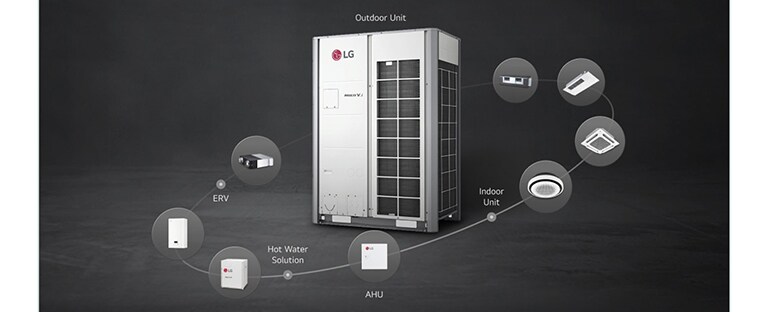
Modern energy-efficient systems work differently. Variable Refrigerant Flow (VRF) technology and inverter-driven compressors adjust their output continuously based on what a space actually needs at any given moment. Instead of cycling on and off, they modulate. The result is a system that uses significantly less energy while maintaining more stable temperatures.

-
According to the International Energy Agency, high-efficiency HVAC systems can reduce building energy use for climate control by 30 to 50%, depending on the building type and climate zone. In markets where electricity tariffs are high, those savings translate directly into lower operating costs month after month.
For commercial buildings, this is one of the clearest paths to improving the bottom line without reducing comfort.
-
How Does HVAC Affect Indoor Air Quality in Green Buildings?
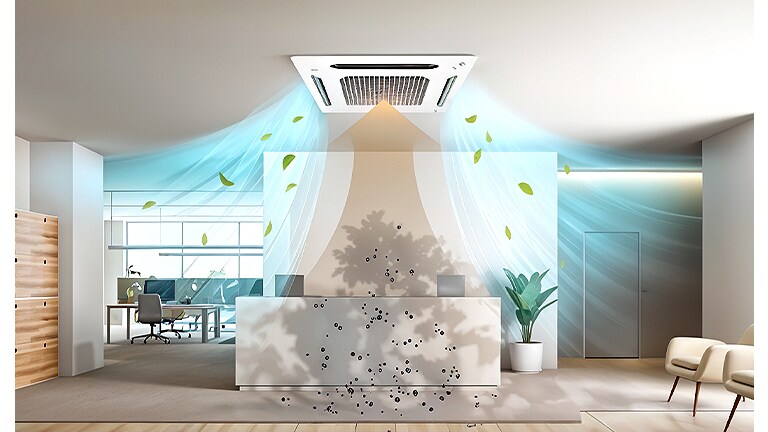
Energy efficiency is only part of what makes an HVAC system sustainable. The other part is what it does to the air inside a building.
-
Poor indoor air quality is linked to headaches, fatigue, respiratory problems, and reduced concentration. In offices and schools, that means lower productivity. In hospitals, it can directly affect patient outcomes. The World Health Organization links poor indoor air quality to millions of premature deaths globally, much of it driven by poorly ventilated spaces.
Modern HVAC systems address this through:
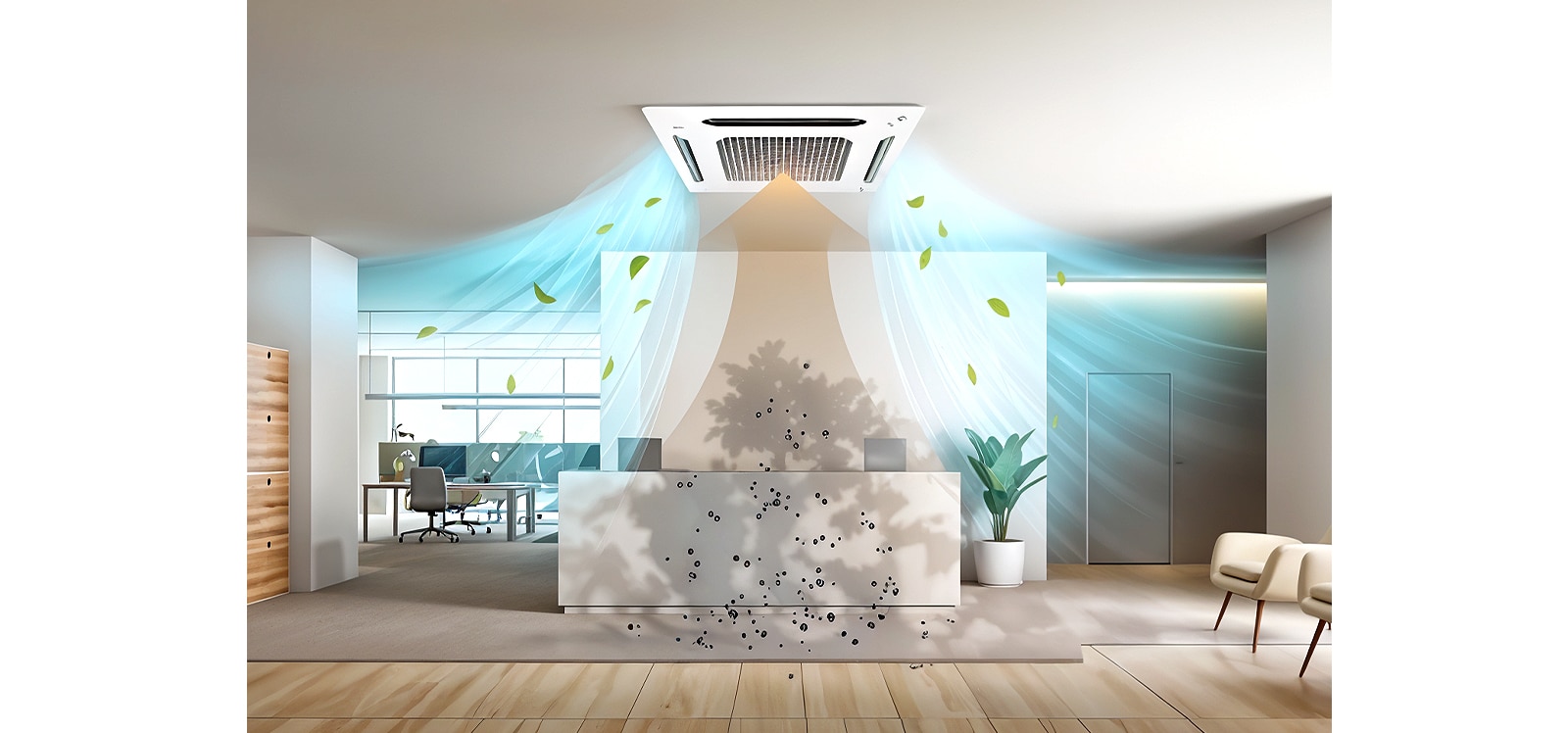
● Proper ventilation rates that continuously introduce fresh outdoor air and exhaust stale indoor air
● Filtration systems that capture dust, allergens, bacteria, and pollutants before they circulate
● Humidity control that keeps moisture levels in the range where mould and airborne pathogens are less likely to thrive
In coastal cities where humidity regularly exceeds 80%, this last point is especially important. A system that cools the air but fails to dehumidify it is only solving half the problem.
-
Can HVAC Systems Integrate with Renewable Energy?
Yes, and this is where sustainable building design becomes particularly compelling for the region.
East Africa sits in one of the highest solar irradiance zones in the world. Kenya, Tanzania, Uganda, and Rwanda all receive between 4.5 and 6.5 peak sun hours per day on average. Solar photovoltaic systems are increasingly cost-competitive, and pairing them with efficient HVAC systems is a practical path toward reducing dependence on the national grid.
Heat Recovery Ventilation (HRV) and Energy Recovery Ventilation (ERV) systems add another layer. These technologies recover energy from air being expelled from a building and use it to precondition incoming fresh air. The building gets continuous ventilation without the energy penalty normally associated with bringing in unconditioned outdoor air.
For buildings aiming for green certifications such as LEED or EDGE, which is gaining significant traction across East Africa, renewable energy integration is often a core requirement. Pairing solar power with a high-efficiency HVAC system can account for a substantial portion of the points required for certification.
-
How Do Residential Air Conditioners Support Sustainable Living?
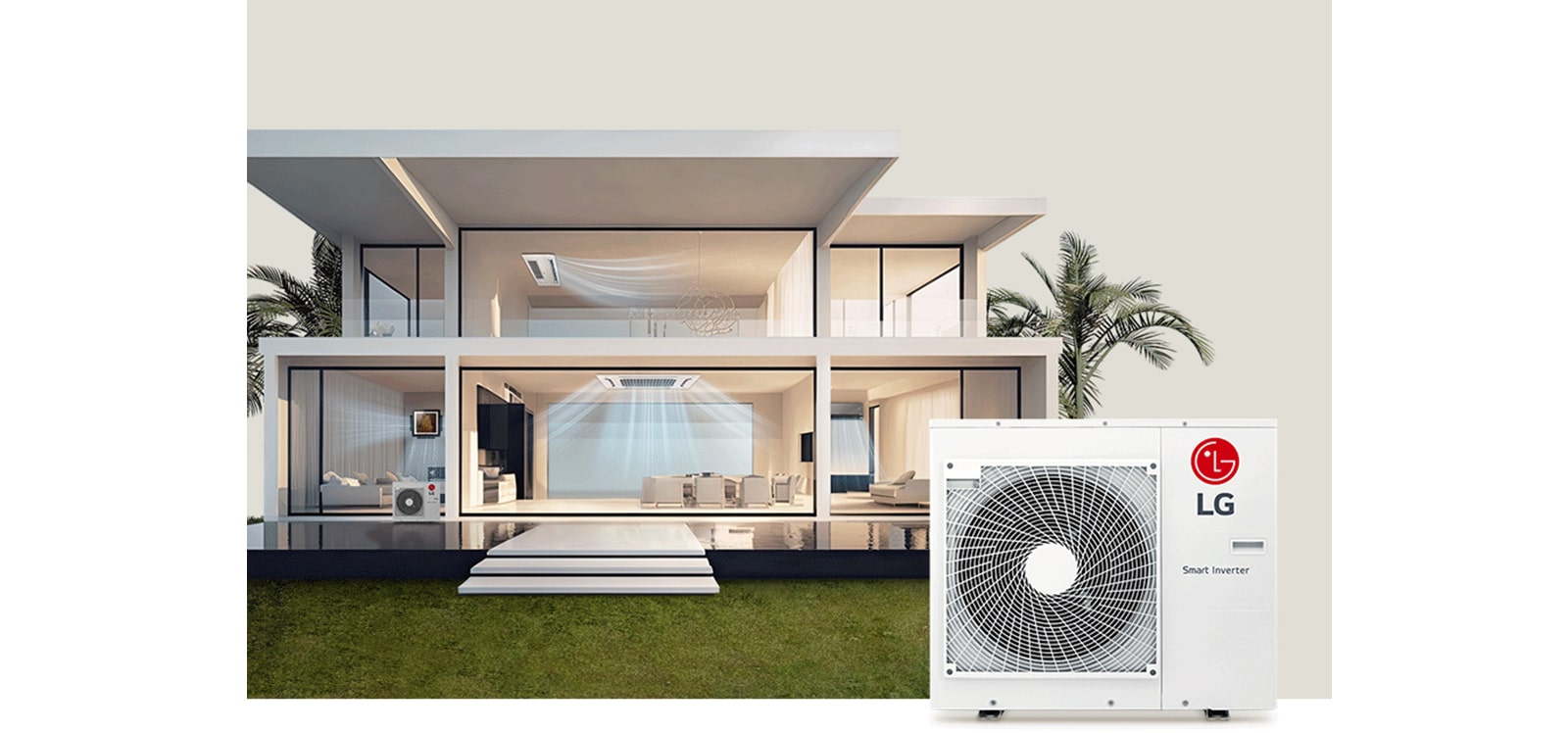
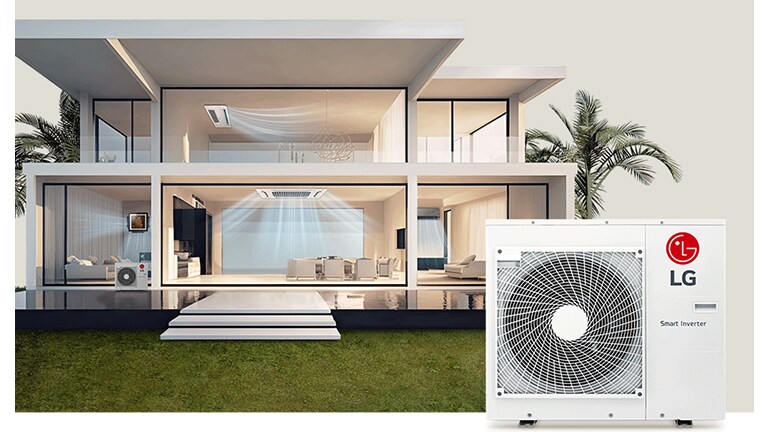
Sustainable building design is not limited to commercial towers and green-certified offices. It starts at home.
-
Across East Africa, more households are investing in air conditioning as urban temperatures rise and aspirations for comfortable living grow. The question is not whether to cool the home, but how to do it without driving electricity bills to unsustainable levels.
-
Inverter Air Conditioners
-
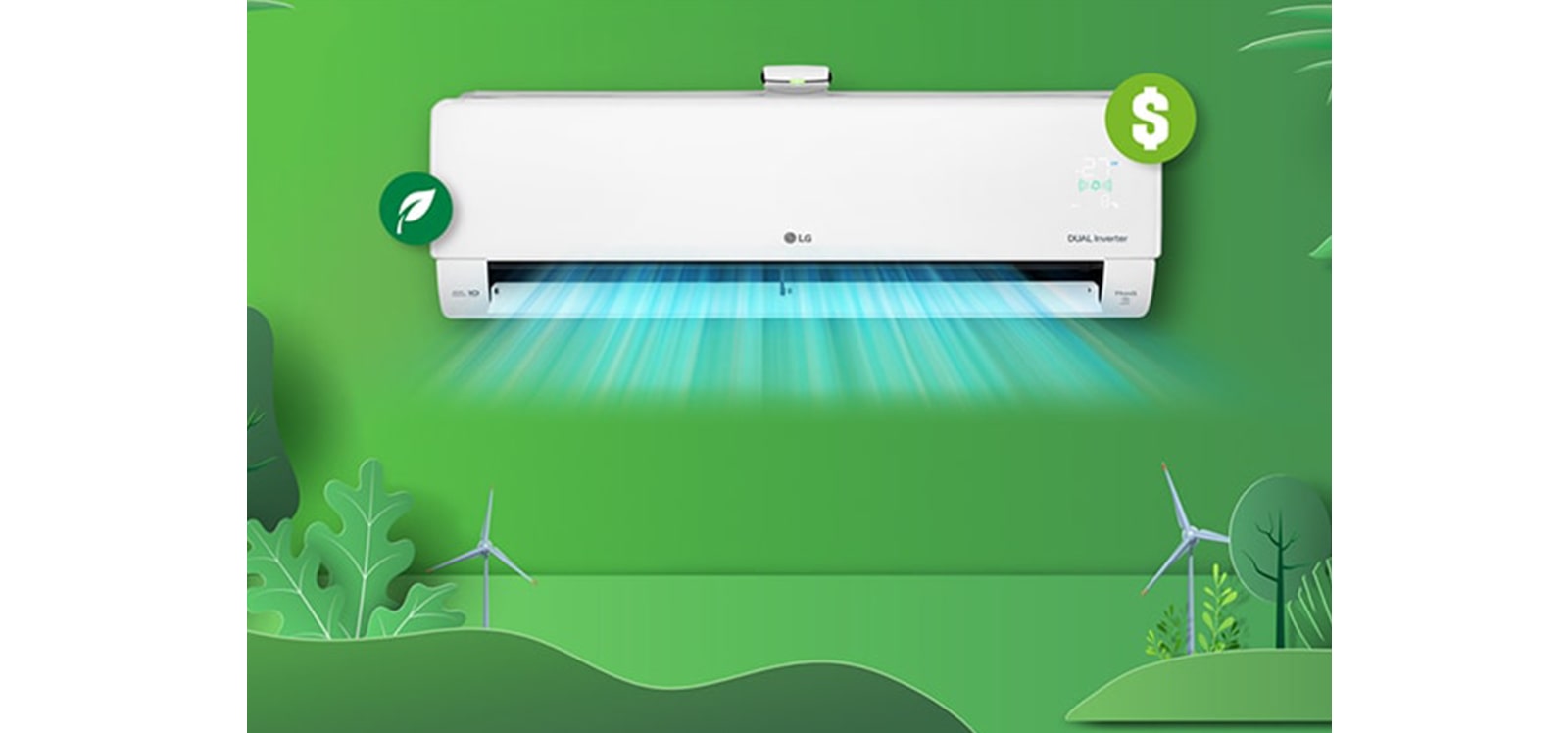
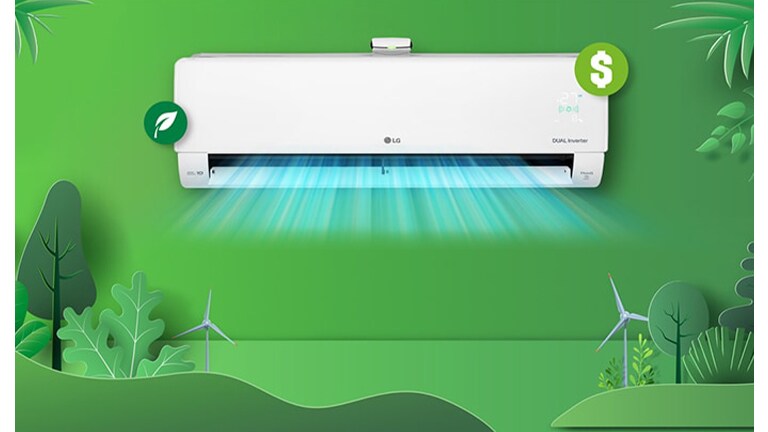
Standard fixed-speed air conditioners consume the same amount of electricity regardless of how hot or cool the room already is. Inverter Air Conditioners, by contrast, vary their compressor speed based on demand. Once a room reaches the target temperature, the system reduces power rather than switching off and on repeatedly. This can cut electricity consumption by 30-60% compared to a non-inverter unit with the same cooling capacity.
-
Smart Controls
Modern residential ACs can be controlled via smartphone, set on schedules, and programmed to switch off when no one is home. Some systems learn usage patterns over time and adjust automatically. This prevents the common situation of leaving the AC running in an empty room and only discovering the problem at the end of the month.
-
Right-Sizing the System
-
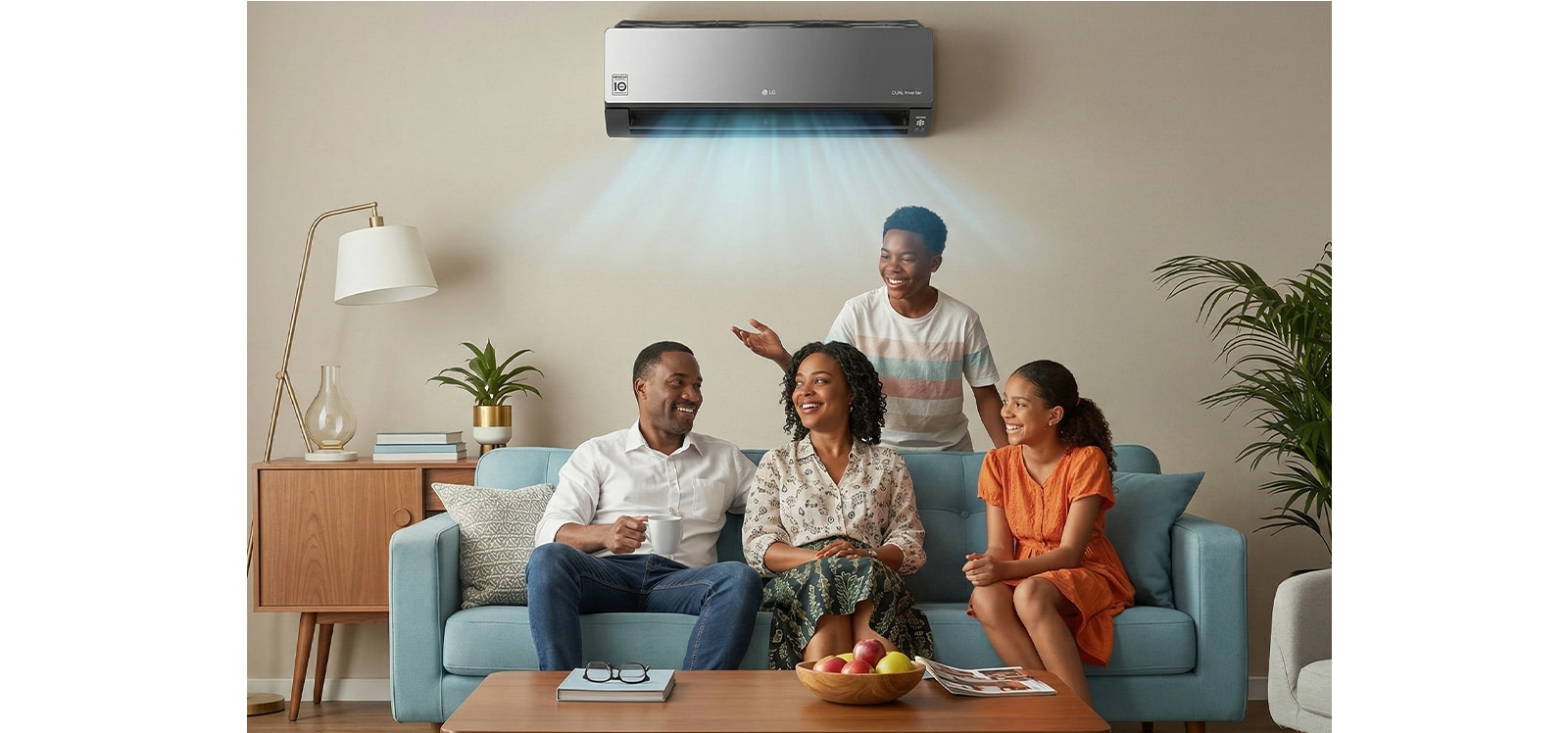
One of the most common and costly mistakes in residential installations is choosing the wrong capacity. An undersized unit runs constantly without ever reaching the desired temperature. An oversized unit cools the space quickly but short-cycles, leading to poor humidity control and higher energy use. A proper load calculation based on room size, ceiling height, window area, sun exposure, and local climate should always precede any purchase.
Learn more in this guide on how to choose the right air conditioner for your space.
LG's Dual Inverter Air Conditioners and Artcool series are designed specifically to address these challenges, combining energy efficiency with quiet operation and smart connectivity. They are suited to both the mild conditions and the demanding coastal heat.
-
What Makes LG HVAC Systems Sustainable Over the Long Term?
A system that is efficient on day one but poorly maintained degrades quickly. Long-term sustainability in HVAC is as much about upkeep as it is about initial specification.
-
Predictive Maintenance
IoT-enabled HVAC systems can monitor their own performance in real time, flagging unusual patterns before they become failures. A compressor running harder than usual, a clogged filter, or a drop in refrigerant pressure can all be detected and addressed before they cause downtime or costly damage.
-
Refrigerant Choice
Older refrigerants like R-22 have high global warming potential and are being phased out under the Kigali Amendment to the Montreal Protocol, which most East African countries have ratified. Modern systems use refrigerants such as R-32 and R-410A, which have a significantly lower environmental impact. When specifying or replacing a system, confirming the refrigerant type is an important part of making a genuinely sustainable choice.
-
Equipment Longevity
A sustainable building does not replace its HVAC equipment every few years. Systems built to commercial-grade standards, properly installed and regularly serviced, can operate efficiently for 15 to 25 years. The embodied carbon and cost of manufacturing new equipment are significant, so longevity is itself a sustainability metric.
-
How Is LG Supporting Sustainable HVAC in East Africa?
LG's approach to sustainable HVAC is built around a few core technologies that are directly relevant to the East African market:
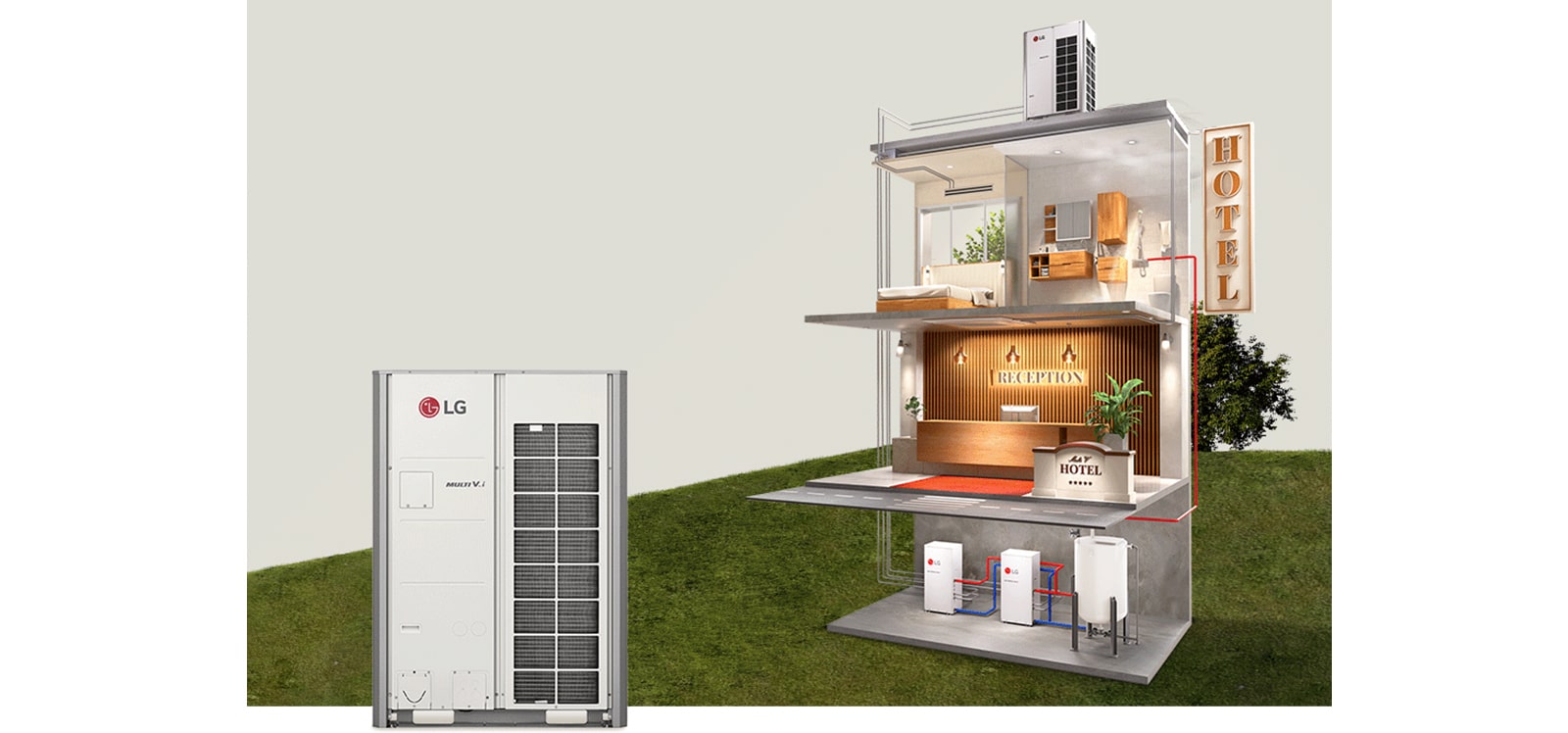
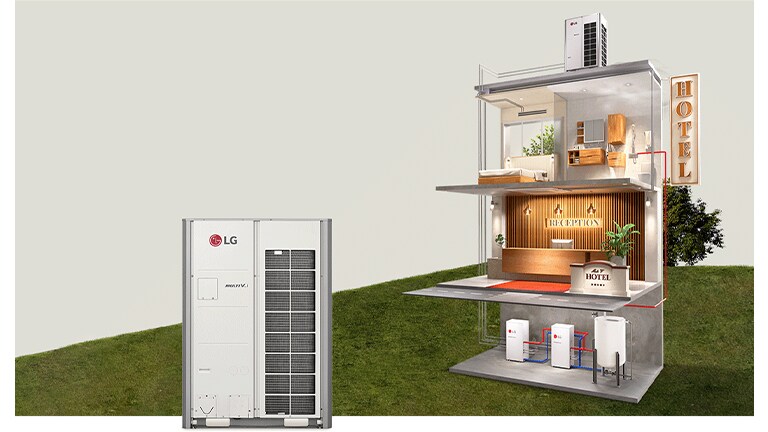
● LG Multi V VRF Systems deliver flexible, zone-by-zone climate control for commercial and mixed-use buildings. A single outdoor unit can serve multiple indoor zones at different temperatures simultaneously, which is valuable for hotels, office blocks, and retail developments where different spaces have different needs at different times of day.
● HRV and ERV Ventilation Systems recover energy from exhaust air to precondition fresh incoming air, maintaining excellent indoor air quality without the energy cost typically associated with continuous ventilation.
● ThinQ Smart Technology enables remote monitoring, scheduling, and diagnostics through a connected platform. Facility managers can track energy consumption, receive alerts, and adjust settings without being on-site.
● Eco-Friendly Refrigerants across LG's product range align with the Kigali Amendment commitments and reduce the environmental footprint of cooling at scale.
-
LG has been involved in green building projects across East Africa and provides dedicated technical support in the region, which matters when a system needs commissioning, servicing, or troubleshooting in a local context rather than from a distant head office.
-
What Are the Business and Environmental Benefits of Energy-Efficient HVAC?
-
Lower Operating Costs
The most immediate benefit is reduced electricity consumption. For commercial buildings, energy can account for 25 to 40% of total operating costs. A more efficient HVAC system directly reduces that figure.
-
Green Building Certification
LEED and EDGE certifications are increasingly required by multinational tenants, development finance institutions, and government procurement policies across East Africa. Efficient HVAC systems are one of the primary ways buildings earn the points needed for certification.
-
Higher Asset Value
Green-certified buildings attract better tenants, command premium rents, and retain value more effectively than non-certified counterparts. This is increasingly well documented in property markets globally and is beginning to be reflected in East African commercial real estate as well.
-
Reduced Carbon Footprint
East African countries have committed to nationally determined contributions under the Paris Agreement. Commercial building owners who invest in efficient HVAC systems are directly contributing to those national targets and, in some cases, may access green finance or carbon credit mechanisms as a result.
-
Healthier Occupants
Better air quality and consistent comfort levels reduce sick days in offices, improve learning outcomes in schools, and support patient recovery in healthcare settings. These are real, measurable benefits beyond the energy numbers.
-
Your Path to Sustainable Buildings Starts with LG HVAC
For architects, developers, and facility managers, LG HVAC systems offer a practical path to lower energy costs, improved performance, and future-ready buildings. Explore LG’s HVAC solutions to design smarter, more efficient spaces across East Africa.
-
Frequently Asked Questions
What is the most energy-efficient HVAC system for commercial buildings in East Africa?
VRF systems are the top choice for medium to large buildings. They serve multiple zones from a single outdoor unit and modulate output based on demand. For smaller spaces, inverter split systems are a practical, cost-effective alternative.
What is the difference between HRV and ERV systems?
HRV systems transfer heat between outgoing and incoming air. ERV systems transfer both heat and moisture. For humid coastal climates, ERV is the better choice as it also helps control indoor humidity.
Is VRF better than a traditional chiller system?
For most mid-sized buildings, yes. VRF offers better efficiency, easier zoning, and simpler installation. For very large buildings with heavy cooling loads, chillers may still be the right call.
How much can HVAC contribute to LEED or EDGE certification?
Significantly. EDGE requires a 20% improvement in energy efficiency over a standard building, and HVAC is typically the largest single contributor to hitting that target.
What HVAC considerations apply to coastal buildings in East Africa?
Two things: high humidity requires strong dehumidification capacity, and salt air accelerates equipment corrosion. Specify systems with anti-corrosion coatings and marine-grade components for buildings in Mombasa, Zanzibar, or Dar es Salaam.
Can a home air conditioner run on solar power?
Yes. Inverter ACs pair well with solar PV because their variable power draw matches the fluctuating output of solar panels. A correctly sized setup can significantly cut or eliminate grid electricity costs for home cooling.
FAQPage
-
Q.
What is the most energy-efficient HVAC system for commercial buildings in East Africa?
-
A.VRF systems are the top choice for medium to large buildings. They serve multiple zones from a single outdoor unit and modulate output based on demand. For smaller spaces, inverter split systems are a practical, cost-effective alternative.
-
Q.
What is the difference between HRV and ERV systems?
-
A.HRV systems transfer heat between outgoing and incoming air. ERV systems transfer both heat and moisture. For humid coastal climates, ERV is the better choice as it also helps control indoor humidity.
-
Q.
Is VRF better than a traditional chiller system?
-
A.For most mid-sized buildings, yes. VRF offers better efficiency, easier zoning, and simpler installation. For very large buildings with heavy cooling loads, chillers may still be the right call.
-
Q.
How much can HVAC contribute to LEED or EDGE certification?
-
A.Significantly. EDGE requires a 20% improvement in energy efficiency over a standard building, and HVAC is typically the largest single contributor to hitting that target.
-
Q.
What HVAC considerations apply to coastal buildings in East Africa?
-
A.Two things matter most: high humidity requires strong dehumidification capacity, and salt air accelerates equipment corrosion. Specify systems with anti-corrosion coatings and marine-grade components for buildings in Mombasa, Zanzibar, or Dar es Salaam.
-
Q.
Can a home air conditioner run on solar power?
-
A.Yes. Inverter ACs pair well with solar PV because their variable power draw matches the fluctuating output of solar panels. A correctly sized setup can significantly cut or eliminate grid electricity costs for home cooling.