


What makes a 4K TV a good choice?

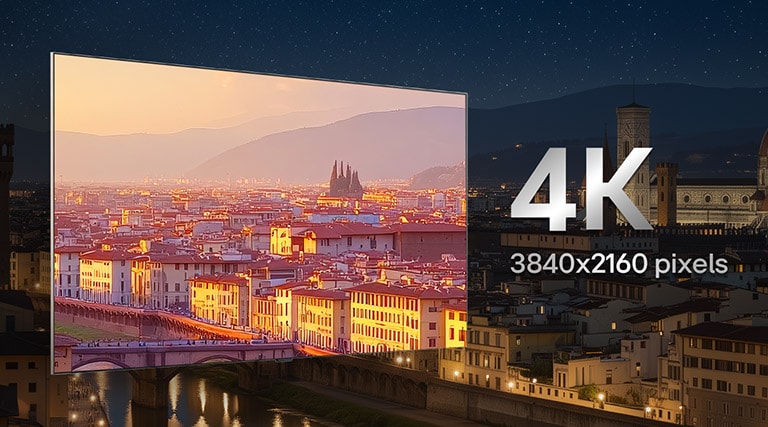
How does 4K improve what you see?
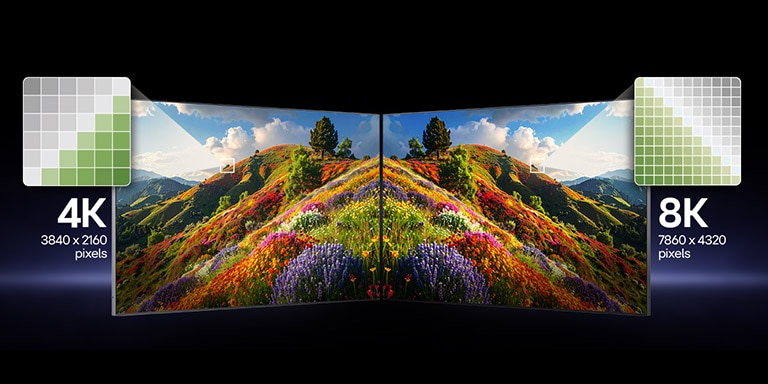
4K vs. 8K: What’s the real difference?
-
![LG TV with Full HD resolution displays 1920x1080 detail as an underwater scene appears sharper with a finer pixel grid and zoomed-in fish, highlighting basic clarity and smoother visuals compared to lower resolutions.]()
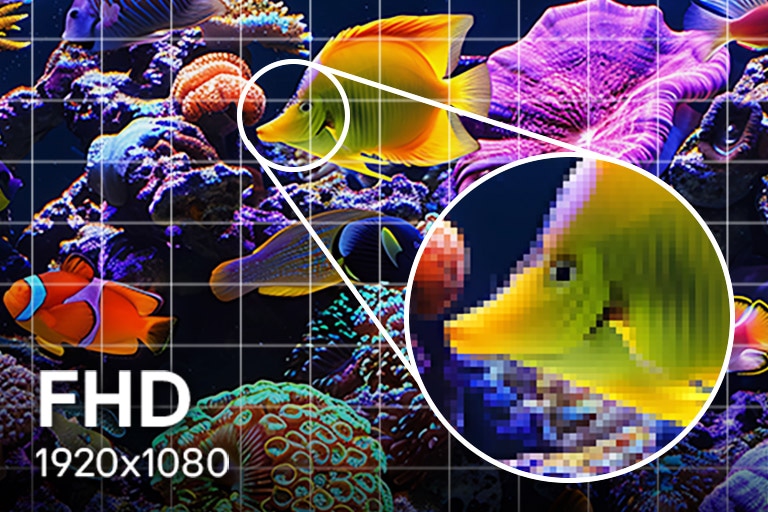
What is FHD?
Full HD (FHD) is a resolution of 1920×1080, delivering over 2 million pixels for clear and detailed images. Compared to HD (1280×720), it has sharper edges, improved clarity, and smoother visuals. However, when comparing 4K to FHD resolutions, 4K TVs offer a noticeably more immersive experience for everyday viewing.
-
![LG TV with 4K resolution displays 3840x2160 detail as an underwater scene appears sharper with a finer pixel grid and zoomed-in fish, highlighting improved clarity, defined textures, and more refined edges.]()
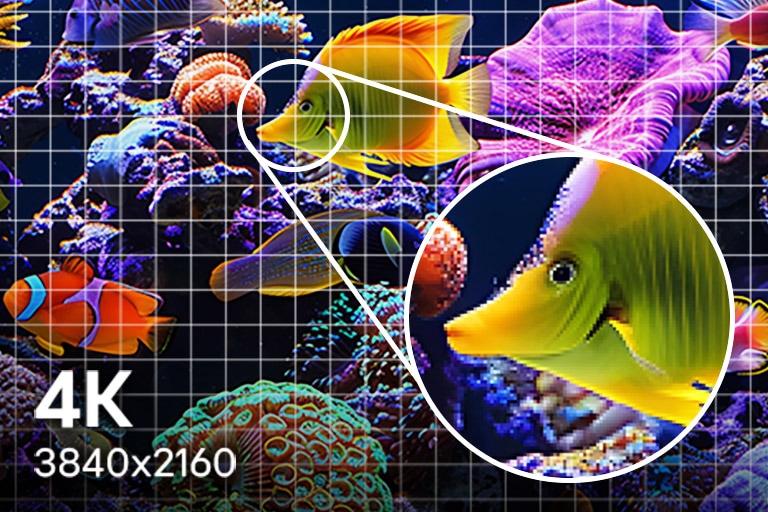
What is 4K TV?
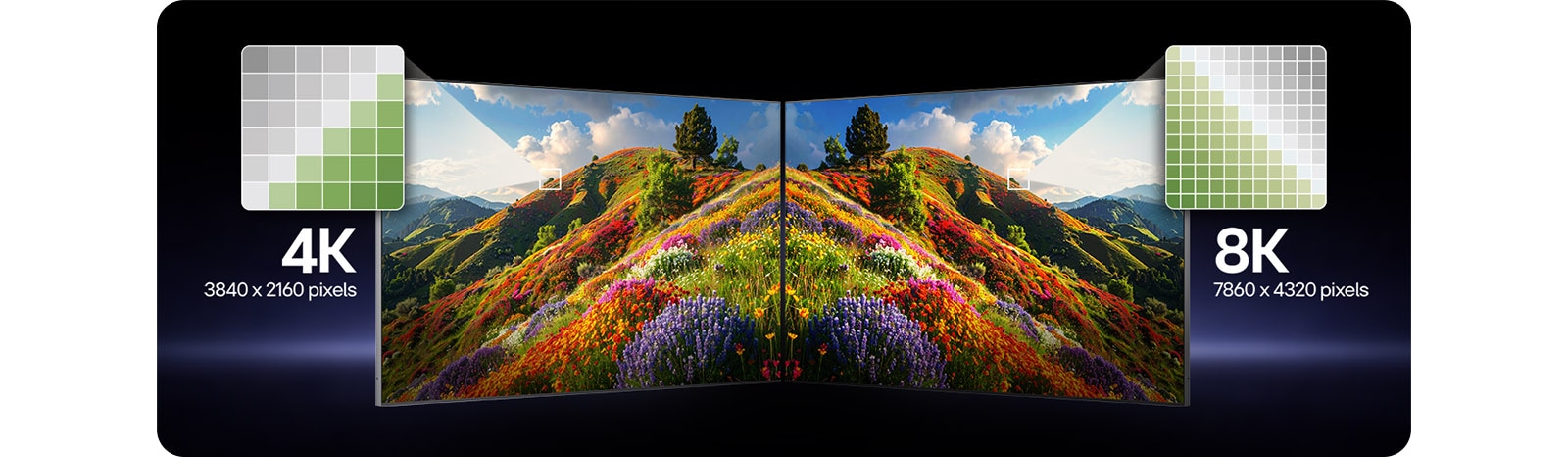
A 4K TV is a display with a resolution of 3840×2160, delivering four times the pixels of Full HD (1920×1080). This higher pixel density creates sharper detail, smoother edges, and clearer images, which are especially noticeable on larger screens. Because of its balance of clarity, content support, and viewing comfort, 4K has become the modern standard for home viewing.
-
![LG TV with 8K resolution displays 7680x4320 detail as an underwater scene shows an ultra-fine pixel grid and zoomed fish, emphasizing extremely dense pixels, highly refined textures, and seamless color transitions.]()
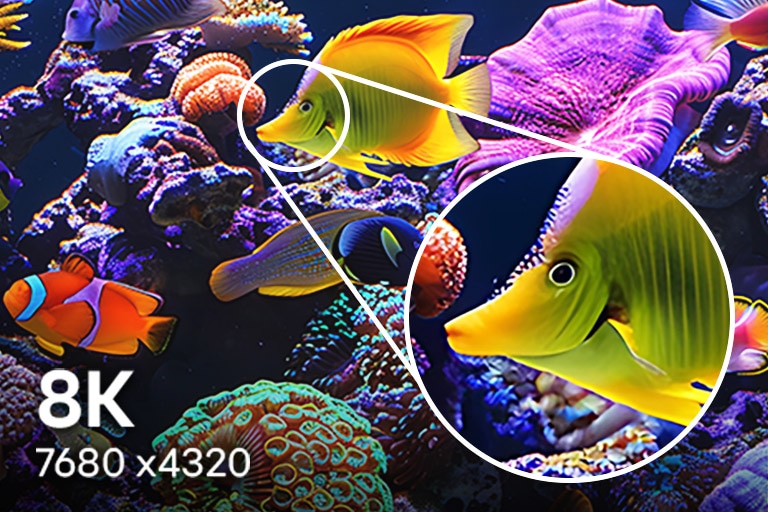
What is 8K TV?
An 8K TV is a display with a resolution of 7680×4320 and over 33 million pixels, which is four times more than 4K and sixteen times more than Full HD. While this extremely high pixel density produces exceptionally fine detail, native 8K content is still limited. For most everyday viewing situations, 4K remains the more practical choice.
FHD vs. 4K vs. 8K: Which is right for you?
-
Full HD TV
Full HD delivers clear, smooth images suitable for small to mid-size screens, with over 2 million pixels of reliable, everyday clarity. However, compared with newer resolutions, 4K TVs give a clearer, more immersive experience for modern streaming content.
-
4K TV
4K delivers four times the resolution of Full HD, offering stunning detail and clarity, even on large screens. 4K content is widely available on platforms such as Netflix, Disney+, Amazon Prime Video, and YouTube, making 4K the best resolution choice for watching and streaming content at home.
-
8K TV
8K has around 33 million pixels, delivering the highest image sharpness currently available. However, because most content is still produced in 4K or lower, the full benefits of 8K cannot yet be fully enjoyed. For everyday viewing and home cinema experiences, 4K remains the smarter and more widely supported choice.
What 4K TVs work best for streaming movies?
-
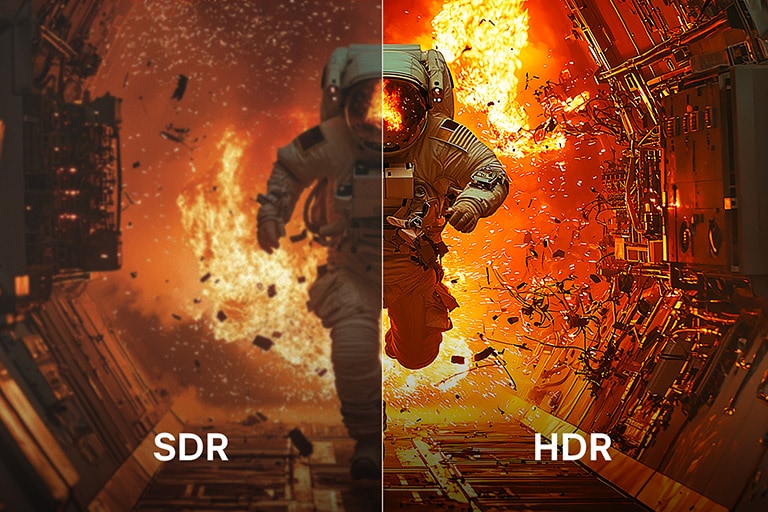
![LG TV with HDR enhances contrast as a split display compares SDR and HDR, showing an astronaut scene with brighter highlights, deeper shadows, and more defined detail for a more lifelike viewing experience.]()
HDR for better contrast
HDR enhances the range between bright and dark areas, revealing richer detail in highlights and shadows for a more lifelike viewing experience. This improved contrast helps create a more cinematic picture, which is one of the key reasons many viewers choose 4K TVs for watching movies.
-
![LG TV with 4K upscaling enhances lower-resolution content toward 4K-level clarity as a display presents detailed foliage and colorful flowers, refining textures and edges to deliver sharper, more defined visuals.]()
Upscaling for clearer content
Upscaling improves lower-resolution content by enhancing detail and clarity, helping maintain a sharper, more consistent picture across different sources. Because of this capability, 4K TVs remain a practical choice even when watching non-4K content.

So, what makes LG 4K TVs a better choice for streaming?
Upscale every frame to 4K with pixel precision


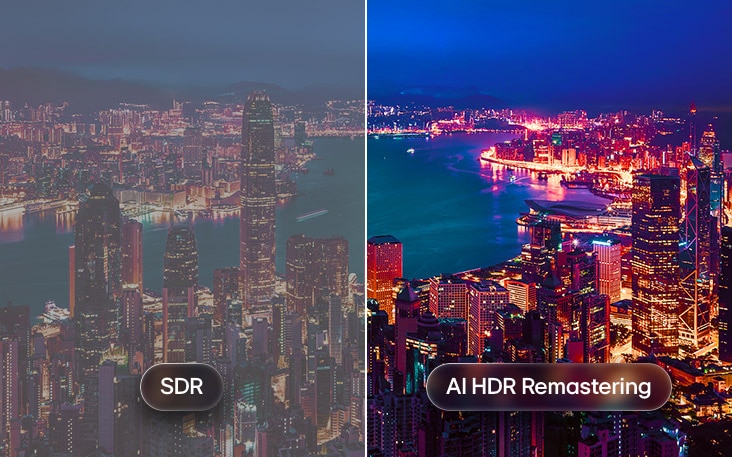
Upgrade every frame to HDR quality
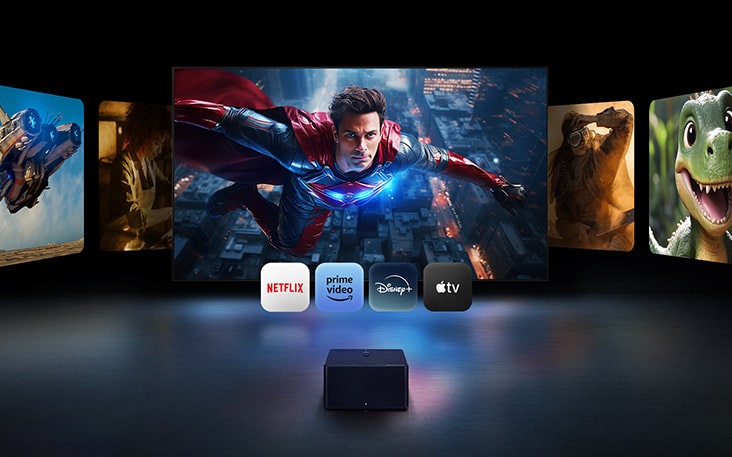
What kind of 4K content is available?
Explore the LG 4K TV that fits your viewing best
Compare models side-by-side to find a smart choice that balances both performance and value.
| OLED evo W6 | OLED evo G6 | MRGB95 | QNED90 | |
|---|---|---|---|---|
 |
 |
 |
 |
|
| Features | ||||
| Display | OLED evo 4K / 120Hz | OLED evo 4K / 120Hz | Micro RGB evo 4K / 120Hz | QNED evo Mini LED 4K / 120Hz |
| Processor | alpha11 AI Processor Gen3 with Dual AI Engine | alpha11 AI Processor Gen3 with Dual AI Engine | alpha11 AI Processor Gen3 with Dual AI Engine |
alpha8 AI Processor Gen3 (115”) alpha8 AI Processor Gen2 (85/75/65/55”) |
| Size | 83”/77” | 83”/77”/65”/55”/48” | 86”/75”/65” | 115”/85”/75”/65”/55” |
| AI Upscaling | AI Super Upscaling | AI Super Upscaling | AI Super Upscaling | - |
| LEARN MORE | LEARN MORE | LEARN MORE | LEARN MORE |
| Features |
|---|
| Display |
| Processor |
| Size |
| AI Upscaling |
| OLED evo W6 | OLED evo G6 | MRGB95 | QNED90 |
|---|---|---|---|
|
|
|
|
|
| OLED evo 4K / 120Hz | OLED evo 4K / 120Hz | Micro RGB evo 4K / 120Hz | QNED evo Mini LED 4K / 120Hz |
| alpha11 AI Processor Gen3 with Dual AI Engine | alpha11 AI Processor Gen3 with Dual AI Engine | alpha11 AI Processor Gen3 with Dual AI Engine |
alpha8 AI Processor Gen3 (115”) alpha8 AI Processor Gen2 (85/75/65/55”) |
| 83”/77” | 83”/77”/65”/55”/48” | 86”/75”/65” | 115”/85”/75”/65”/55” |
| AI Super Upscaling | AI Super Upscaling | AI Super Upscaling | - |
| LEARN MORE | LEARN MORE | LEARN MORE | LEARN MORE |
Explore more tips
to help you make the right choice
-
![LG TV Buying Guide thumbnail features floating chat-style icons and question symbols against a dark background, visually suggesting product guidance, recommendations, and TV-related information.]()
TV Buying Guide
-
![LG TV size recommendation illustrates a 40-degree field of view in front of a sofa, showing the recommended viewing angle between the screen and seating area.]()
What’s the right TV size for your space?
-
![LG TV featuring Picture quality by display showcases a sleek angled screen filled with luminous galaxy-like textures and vivid color gradients, highlighting immersive visual depth and clarity.]()
Picture quality by display
-
![LG TV as an AI TV displays a home screen in a living space, showcasing apps like LG Channels and Netflix alongside recommended content, while the interface highlights direct access to hundreds of entertainment options.]()
Which is the best AI TV for a smarter viewing?

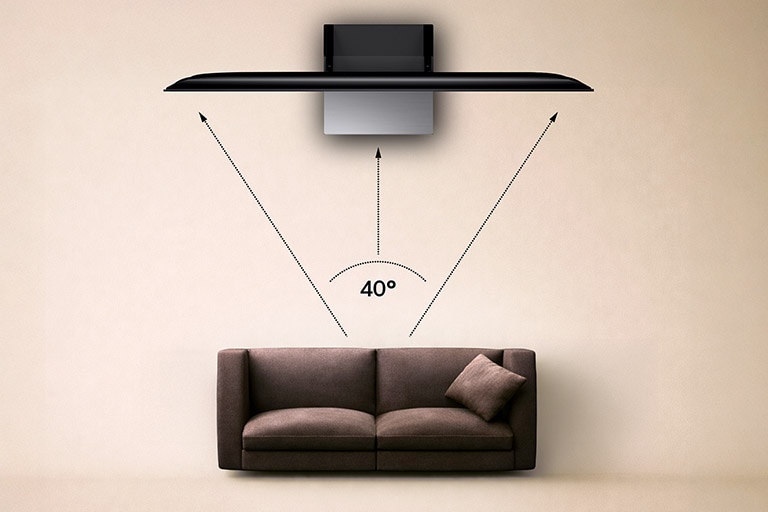
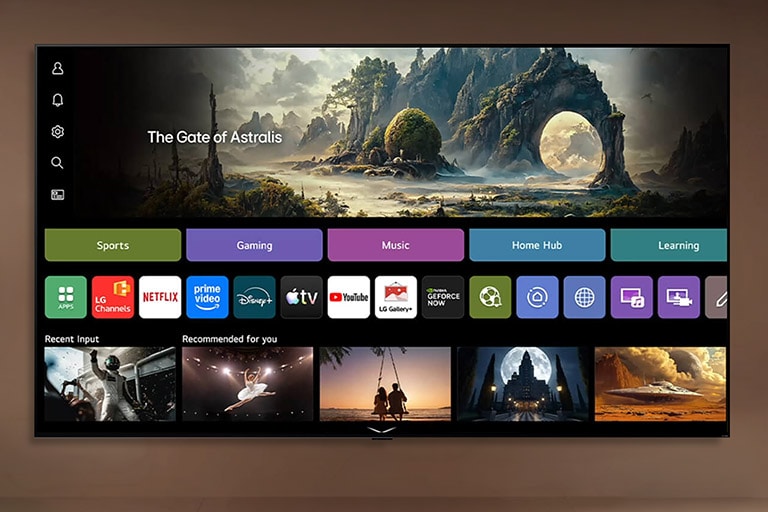
-
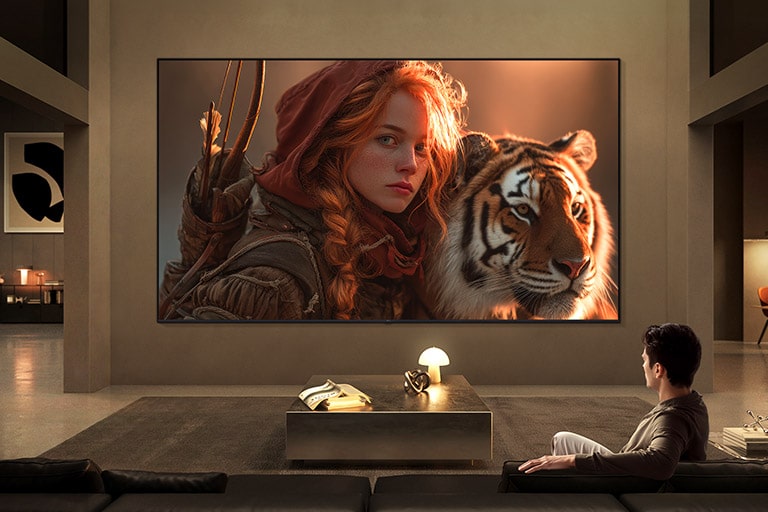
![LG TV for watching movies fills a modern living room with a cinematic scene on a large wall-mounted display, featuring a detailed close-up of a character and tiger, highlighting rich color depth, strong contrast, and immersive viewing.]()
Which is the best TV for movie lovers?
-
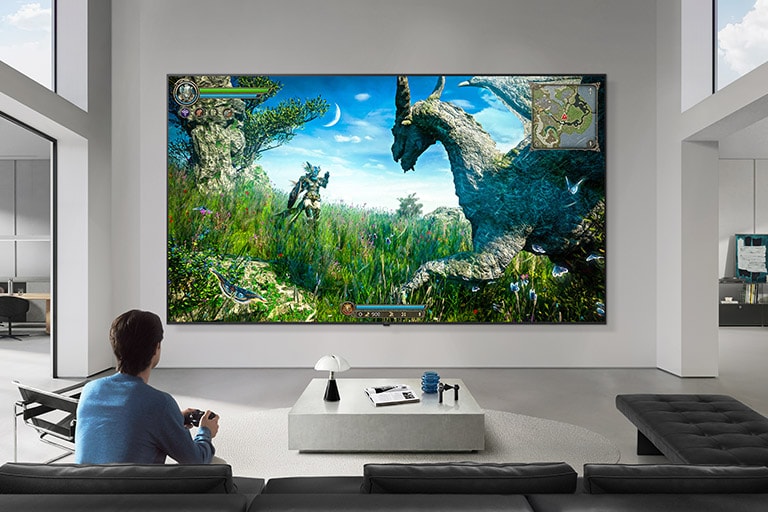
![LG TV for gamers appears mounted on a wall in a black-and-white-toned living room, showing a fantasy dinosaur game scene on a large display while a person sits on a sofa holding a controller.]()
Which is the best TV for gamers?
-
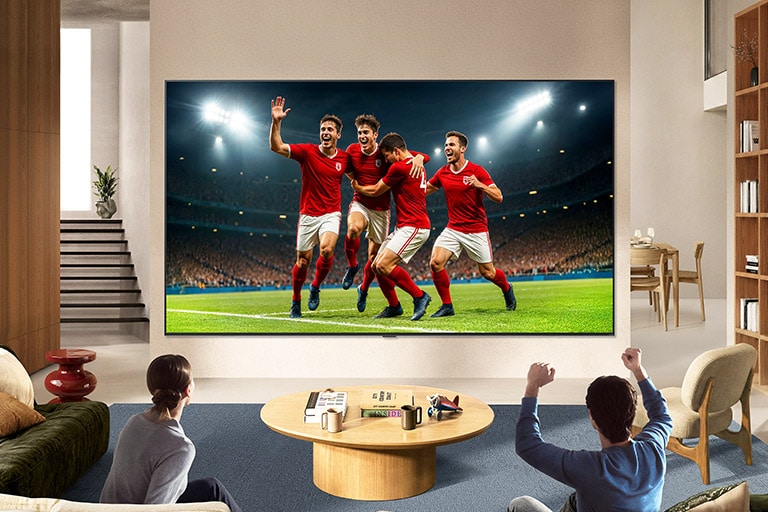
![LG TV for sports fans is wall-mounted in a bright living room, showing a soccer celebration with vivid colors and refined picture quality across a wide screen, as a family seated on sofas cheers together.]()
Which is the best TV for sports fans?
-
![LG TV is featured in a stylish home interior as an Art TV, displaying Vincent van Gogh’s “A Wheatfield, with Cypresses” through LG Gallery+ and blending seamlessly with the décor.]()
Which is the best TV for design enthusiasts?

*The images are for illustrative purposes only.
*Features may vary by model and screen size. Please see each product page for detailed specifications.
*Support for this feature may vary by region and country.
1)*AI Picture Pro will work with any copyright-protected content on OTT services.
*Images are upscaled to up to 4K-like quality. Results may vary depending on the source resolution.
*Faster processing compared to 2025 alpha 9 AI Processor Gen8 based on internal spec comparison.