


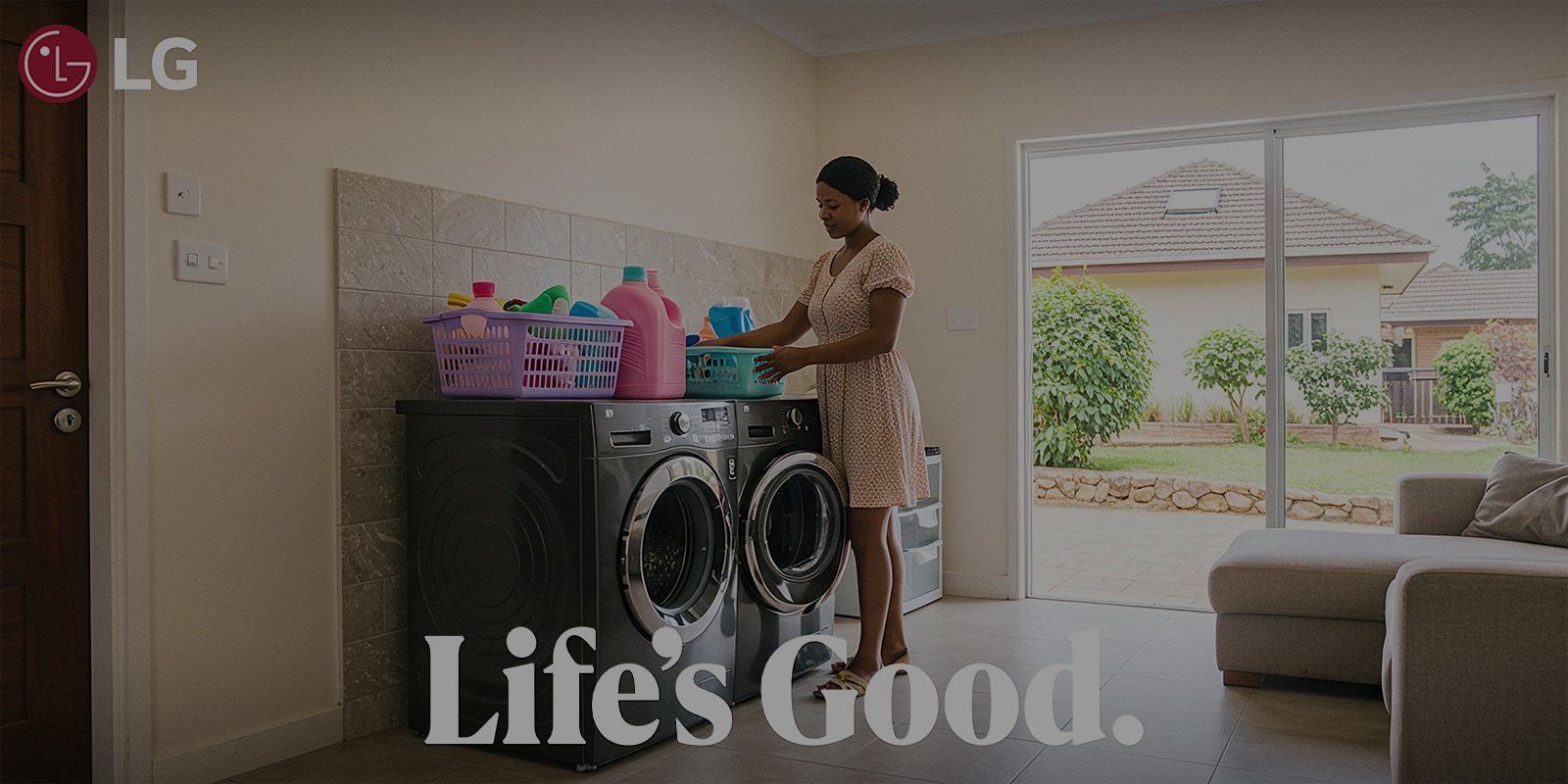
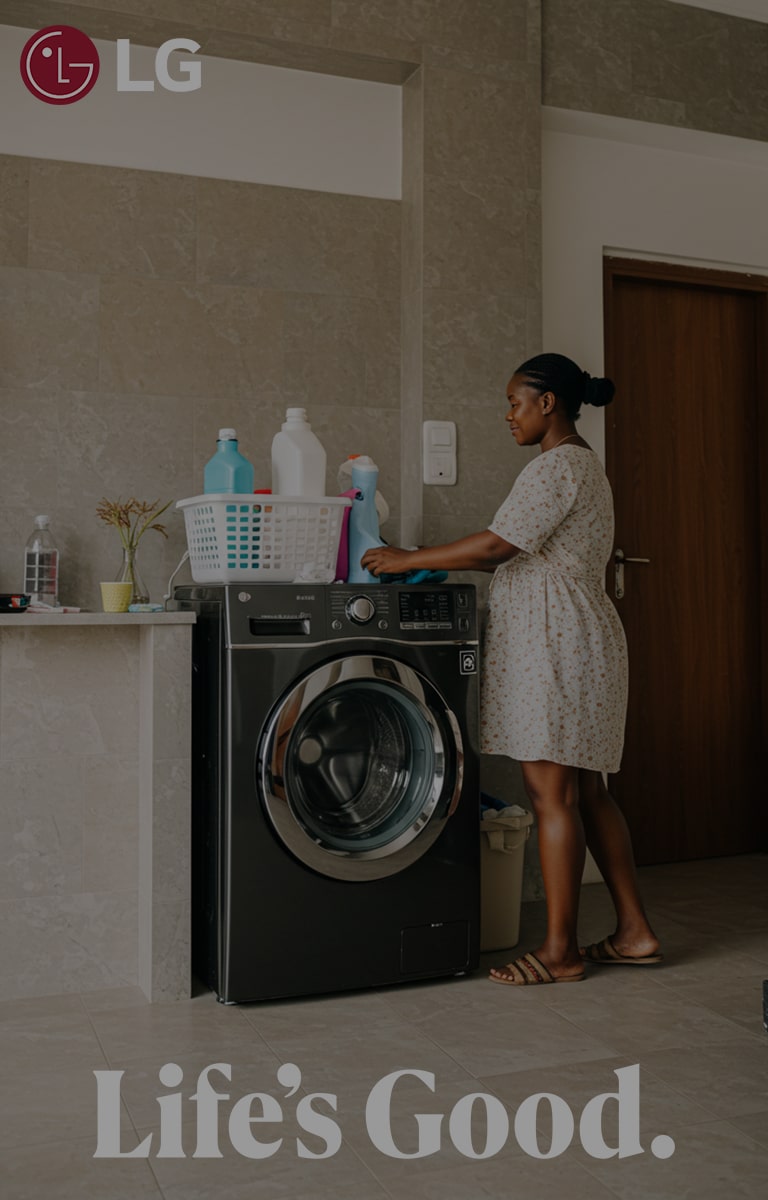
10 Washing Machine Maintenance Hacks to Keep It Running Like New
-
It’s 6 am on a Monday. School uniforms need to be ready by 7. You open the washer, and it smells like a drain, or worse, it won’t start at all.
In East African homes, where hard water, dust, and power fluctuations put appliances under constant stress, regular maintenance is essential to keep your washing machine running when you need it most.
Most manufacturer guides don’t account for these conditions. Nairobi’s water, for example, is relatively hard, which accelerates limescale buildup on heating elements and drum seals, especially with frequent use.
The good news is that most failures are preventable. A simple maintenance routine can extend your washing machine’s lifespan by three to five years and help you avoid unnecessary repairs.
Here are 10 practical maintenance habits you can start using today.
-
1. Don’t Overload the Drum
Overloading strains the motor, bearings, and suspension springs, leaving clothes less clean. It's one of the most common causes of premature drum bearing failure in households.
● Check your model's rated capacity in the user manual (typically 7kg, 9kg, or 11kg for LG models). This is a weight limit, not a volume guide.
● A practical check: clothes should move freely in the drum during the wash cycle, not sit packed tight. If the drum is over ¾ full and items can't shift, split the load.
● Heavy items like duvets and curtains absorb significantly more water than their dry weight. Halve your normal load size for these.
-
2. Leave the Door Open Between Washes
A sealed, damp drum is the ideal environment for mould and mildew. In high humidity, it develops faster than most people expect.
● After removing laundry, leave the door ajar (a 5cm gap is enough) to allow airflow.
● Do the same with the detergent drawer; pull it out slightly so moisture can escape.
● If your machine is in a small room with limited ventilation, run an empty spin cycle once a week to help circulate air.
Tip: If clean laundry comes out smelling musty, check the door seal folds first. That is almost always where the mould is.
-
Use the Right Detergent, Especially for Front Loaders
Using standard detergent in a high-efficiency front loader is one of the most common and most damaging mistakes.
● LG front-loaders require HE (high-efficiency) detergent, clearly marked on the packaging. Standard detergents produce excessive suds that the machine cannot fully rinse out.
● Excess suds reduce washing performance, leave residue on clothes, and, over time, promote mould growth inside the drum and pump system.
● Use less than you think you need. More detergent does not mean cleaner clothes; it means more residue. Follow the dosing guide on the packet precisely.
● If you're using liquid detergent, pour it into the drawer, not directly on clothes, to ensure even distribution and complete rinsing.
-
Clean the Drain Filter Every 3 Months
The drain filter catches hair, lint, coins, and small objects before they reach the pump. A clogged filter is the most common cause of drainage problems and the easiest to prevent.
1. Turn off the washing machine and unplug it from the wall.
2. Locate the filter access panel. On LG front loaders, it's behind a small cover at the bottom front of the machine.
3. Place a towel or shallow tray underneath before opening. Residual water will drain out.
4. Turn the filter cap anti-clockwise and pull it free. Remove all lint, hair, and debris by hand.
5. Rinse the filter under running water until clear. Check the filter housing cavity for any remaining debris.
6. Reinsert, turn clockwise until secure, and close the cover.
-
Level the Machine and Check It Annually
An unbalanced washing machine vibrates excessively during spin cycles. Over time, this causes drum bearing wear, loosens internal connections, and can shift the machine far enough to damage the inlet hoses.
● Place a small spirit level on top of the machine and check side-to-side and front-to-back. All four feet must contact the floor.
● Adjust the levelling feet by turning them clockwise (down) or anti-clockwise (up) by hand. Most LG models have adjustable front feet and self-adjusting rear feet.
● After adjusting, lock the feet by tightening the locking nut against the base of the machine.
● On tiled floors, feet can shift over time. Recheck every 12 months or whenever vibration increases noticeably.
-
Use a Surge Protector
This is the most underused and one of the most cost-effective protection measures for washing machines.
● Plug your washing machine into a surge-protected extension rated for appliances (look for a joule rating above 600J).
● During load-shedding or when power is restored after an outage, voltage spikes can reach well above the standard 240V. That is enough to damage the control board instantly.
Tip: If your area experiences frequent outages, consider an automatic voltage stabiliser (AVR) for additional protection beyond a surge strip.
-
Use LG Smart Diagnosis Before Calling a Technician
If your LG washing machine shows an error code or behaves unexpectedly, Smart Diagnosis can identify the fault without opening the machine or involving a technician.
● Download the LG ThinQ™ app. Compatible LG washing machines connect via Wi-Fi or NFC, depending on the model.
● In the app, select your appliance and run Smart Diagnosis. It reads fault codes directly from the machine and explains what they mean in plain language.
● Many faults, such as an unbalanced load error, a filter blockage warning, and a door latch misread, can be resolved by yourself once you know the cause.
● If Smart Diagnosis flags a component failure, you'll have the exact fault code before calling LG Service, which makes the technician's job faster and can reduce the call-out charge.
Tip: Compatible LG models also allow you to download additional wash cycles, monitor energy consumption, and receive maintenance reminders directly to your phone.
-
Descale Every 3 Months in Hard Water Areas
Hard water leaves calcium deposits on the drum, heating element, and pump that reduce efficiency and shorten component life.
● Run a hot wash cycle (60°C or above) with half a cup of white vinegar or a commercial descaler in the drum, with no laundry inside. Do this every three months, separate from the regular drum clean.
● Signs that limescale has already built up: clothes coming out stiff or with a chalky residue, longer heating times, and reduced wash performance despite correct detergent use.
For LG inverter direct drive models, descaling is especially important. Limescale on the drum seal affects the bearing seal over time.
-
Check and Protect the Water Inlet Hoses
Hose failure is one of the leading causes of water damage in many homes, and it's almost always preventable. In high-rise buildings, a burst inlet hose on an upper floor is a serious incident.
● Visually inspect both inlet hoses (hot and cold, if applicable) for cracks, bulging, or kinks every six months.
● Check that the connections at both the machine end and the tap end are snug; hand-tighten if loose, but don't use tools as overtightening cracks the fittings.
● Replace hoses every five years regardless of appearance. Rubber degrades from the inside, so hoses can look fine and still be close to failure.
● When leaving home for more than a few days, turn the tap supplying the washing machine off at the wall.
-
Schedule an Annual Professional Service
Even a well-maintained machine benefits from a professional check once a year. A certified LG technician can catch issues that aren't yet causing symptoms and fix them before they become expensive.
● A standard service check covers: inlet and drain hoses, drum bearing and seal condition, motor performance, belt tension (where applicable), door latch and safety switches, and electronic diagnostics.
● Annual service is especially important for machines over four years old and those running two or more loads per day.
LG warranty customers should note: repairs carried out by non-certified technicians void the manufacturer's warranty. Always use an authorised LG service centre.
-
The Monthly Cleaning Routine
Three tasks (detergent drawer, door seal, drum), done together once a month, take under 20 minutes and prevent most odour and mould problems.
-
1. Task 01: Clean the Detergent Drawer (Monthly)
Pull out the drawer fully. Soak in warm soapy water for 10 minutes, then scrub with an old toothbrush. Rinse and dry before reinserting. Mould here spreads detergent residue onto every load.
-
2. Task 02: Wipe the Door Seal (After Every Wash)
The rubber gasket on front loaders traps water, lint, and coins in its folds. After every cycle, dry it with a cloth and check the folds for debris. Left damp, it grows mould quickly in high humidity.
-
3. Task 03: Run a Drum Clean Cycle (Every 4–6 Weeks)
Use LG's built-in Tub Clean feature with half a cup of white vinegar or a washing machine cleaner sachet, with no laundry inside. This removes bacteria and detergent residue that cause odours. For hard water areas, see Hack 8 on descaling.
-
Shop LG Washing Machines
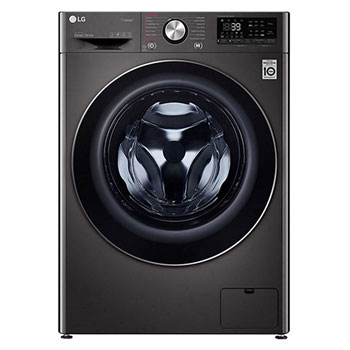
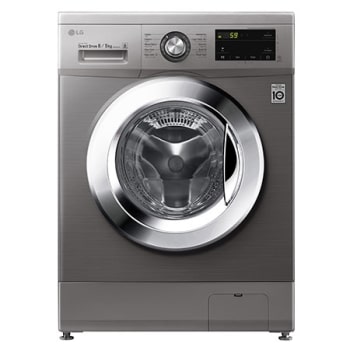
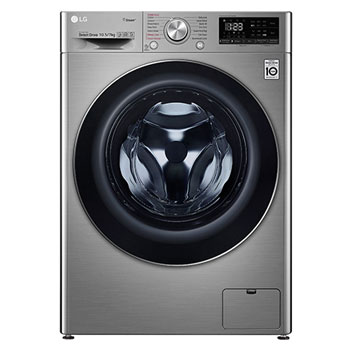
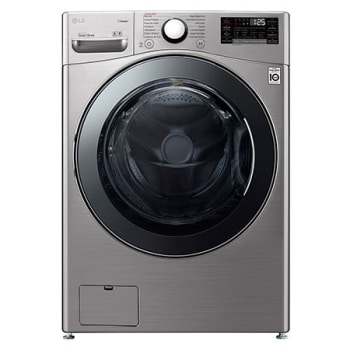
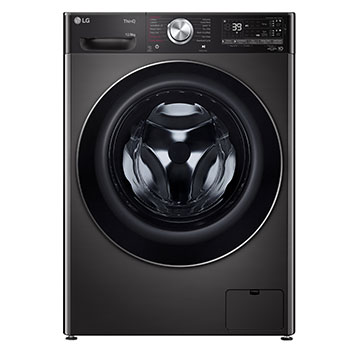
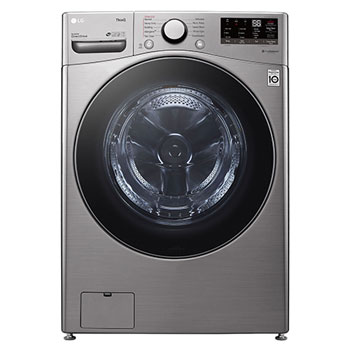

There is no availabel product.
-
Need a Certified LG Technician in East Africa?
Whether it's an annual service, an error code you can't resolve, or a fault that's developed despite regular maintenance, our LG-certified technicians in Nairobi and across East Africa carry genuine LG parts and offer same-day assessments for most faults.
-
Frequently Asked Questions
How often should I run a drum clean on my LG washing machine?
Every four to six weeks for households doing five or more loads per week. If you're in a hard water area, increase this to every three to four weeks. LG's Tub Clean cycle is the most effective method. Add white vinegar or a proprietary washer cleaner and run it without laundry.
Why does my LG washing machine smell bad even after cleaning?
The most persistent odours come from mould in the door seal folds or bacterial buildup in the drum from consistently low-temperature washes. Pull back the door seal and inspect the inner folds. Black or grey residue there is mould. Clean it with a diluted bleach solution (1 part bleach to 10 parts water), then run a hot drum clean cycle. Going forward, wipe the seal after every wash and leave the door ajar between loads.
Can I use regular detergent in my LG front loader?
No. LG front-loaders are high-efficiency machines designed for HE detergent. Regular detergent produces excessive foam that the machine cannot rinse out fully, leading to residue on clothes, odours in the drum, and, over time, pump and drain valve blockages. Switch to a detergent with the HE symbol and use the dosage on the packaging. Do not use more than stated.
My washing machine is vibrating violently during spin. What should I check first?
Start with the load. One heavy item (like a single duvet) can throw the drum off balance. Redistribute the contents and try again. If the problem persists across balanced loads, check that all four feet are level and in contact with the floor. Persistent vibration despite a balanced load and level feet typically indicates worn drum bearings. A technician will be needed for that diagnosis.
How long should an LG washing machine last in East Africa?
LG washing machines are rated for 10+ years under normal conditions. In East Africa, with hard water and power fluctuations, a poorly maintained machine may fail within five to seven years. With the habits in this guide (particularly descaling, surge protection, and correct detergent), eight to twelve years is realistic for LG front loaders, especially inverter direct drive models.