

LG QNED TV Collection
-
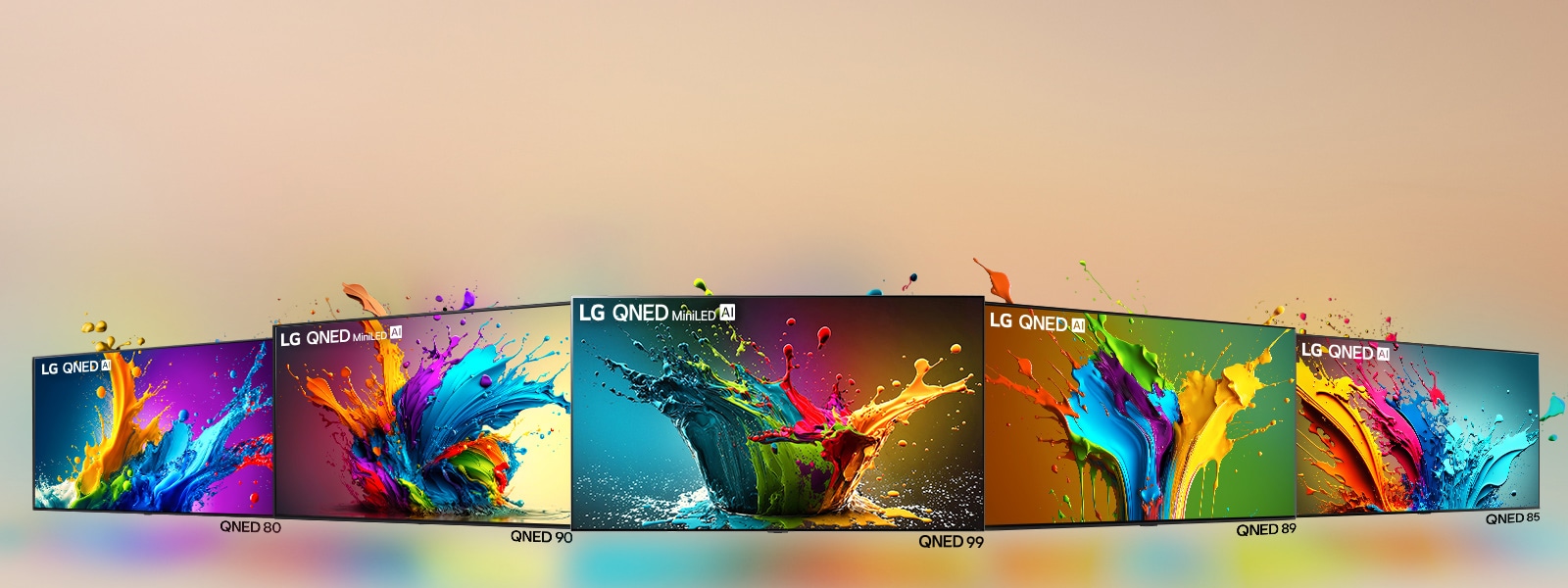
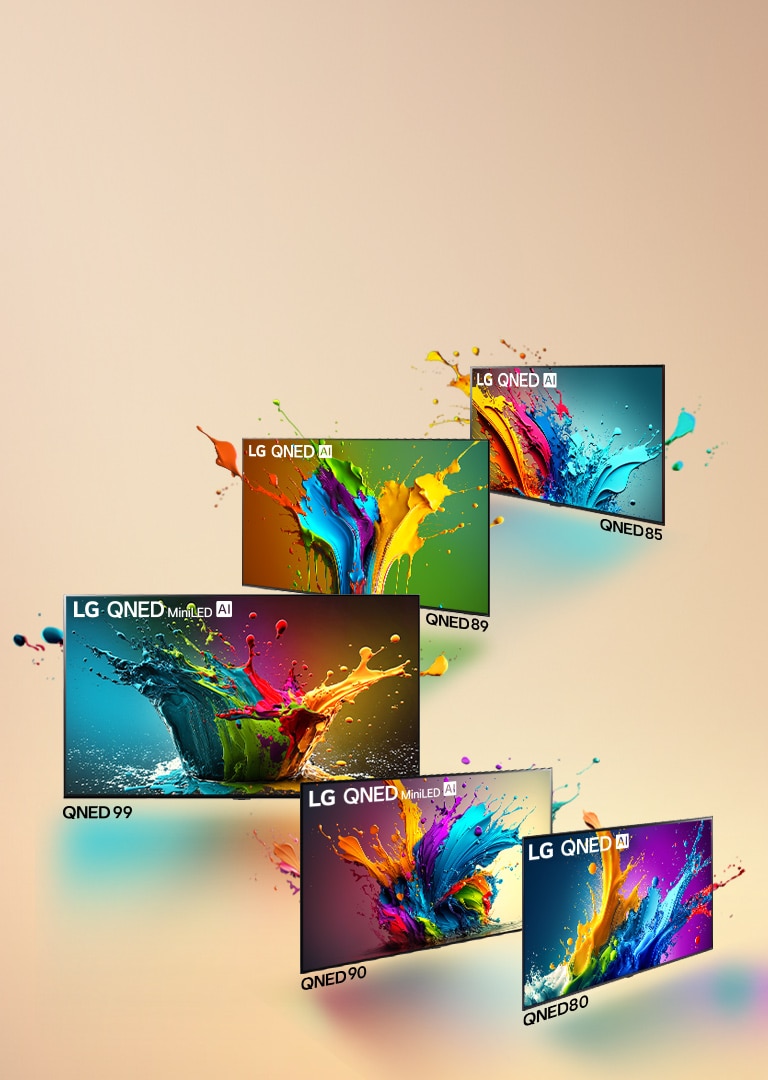 ALL-NEW LG QNED AI
Meet the all-new QNED lineup
-
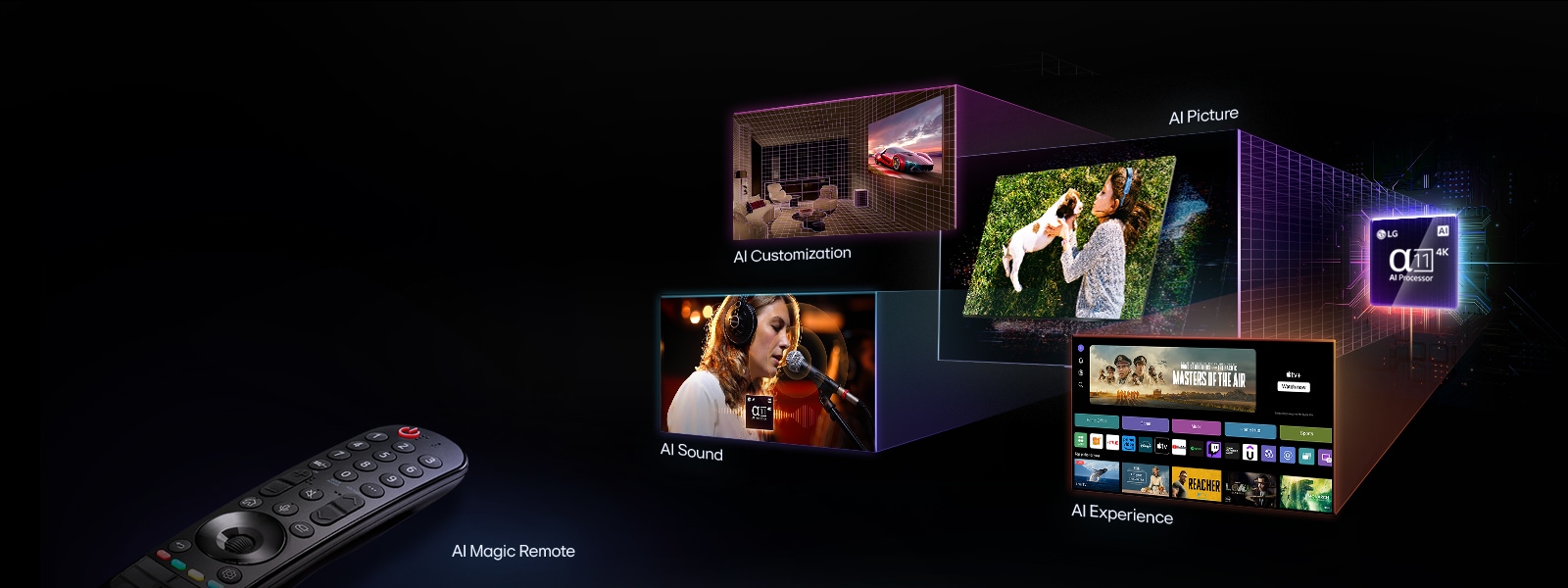
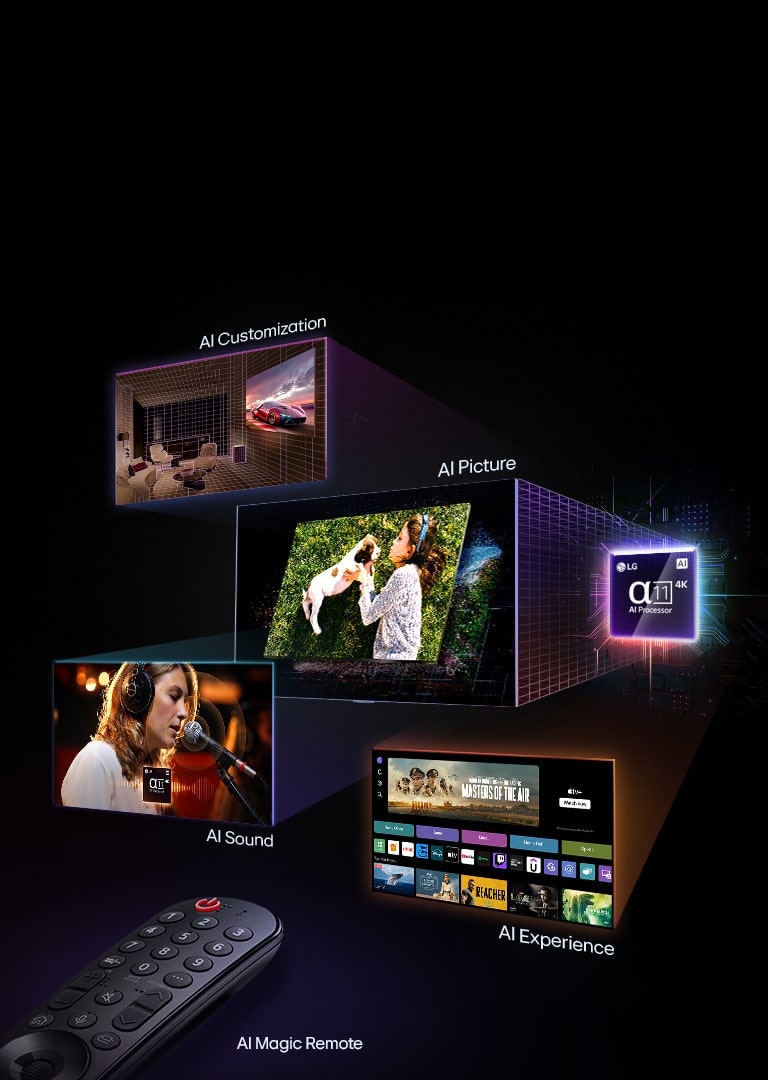
![Promotional banner for LG AI TV features. An AI Magic Remote is displayed on the left. On the right, multiple images are shown: a living room with AI Customization, a woman holding a dog representing AI Picture, a singer with headphones illustrating AI Sound, and a TV interface with streaming apps highlighting AI Experience. The LG alpha 11 4K AI Processor is highlighted with neon effects and circuit patterns.]()
![Promotional banner for LG AI TV features. An AI Magic Remote is displayed on the left. On the right, multiple images are shown: a living room with AI Customization, a woman holding a dog representing AI Picture, a singer with headphones illustrating AI Sound, and a TV interface with streaming apps highlighting AI Experience. The LG alpha 11 4K AI Processor is highlighted with neon effects and circuit patterns.]()
The next generation of LG AI TV
-
![TV is placed in black space. The color powder explodes within TV monitor.]()
![TV is placed in black space. The color powder explodes within TV monitor.]()
See Pure Colors Even Richer

See pure colors even richer
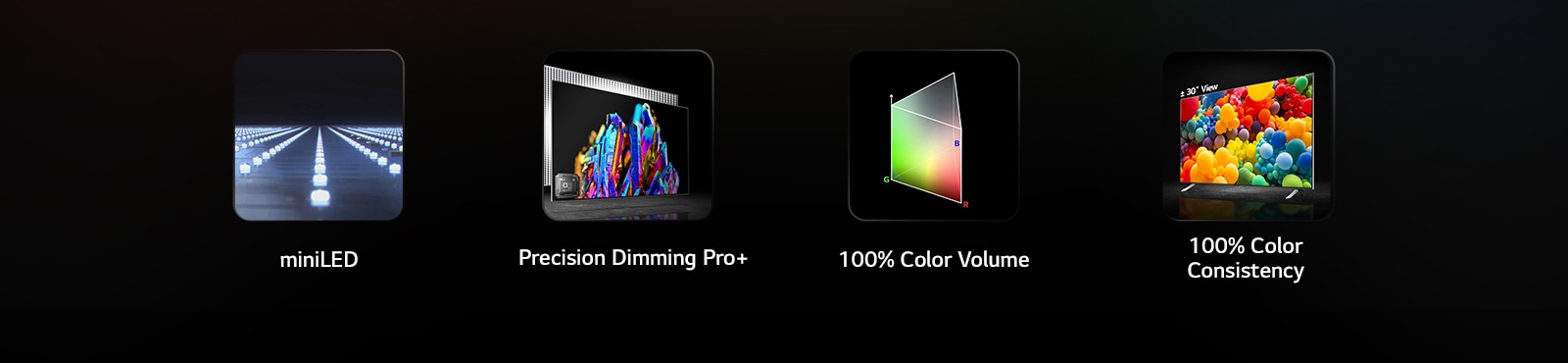
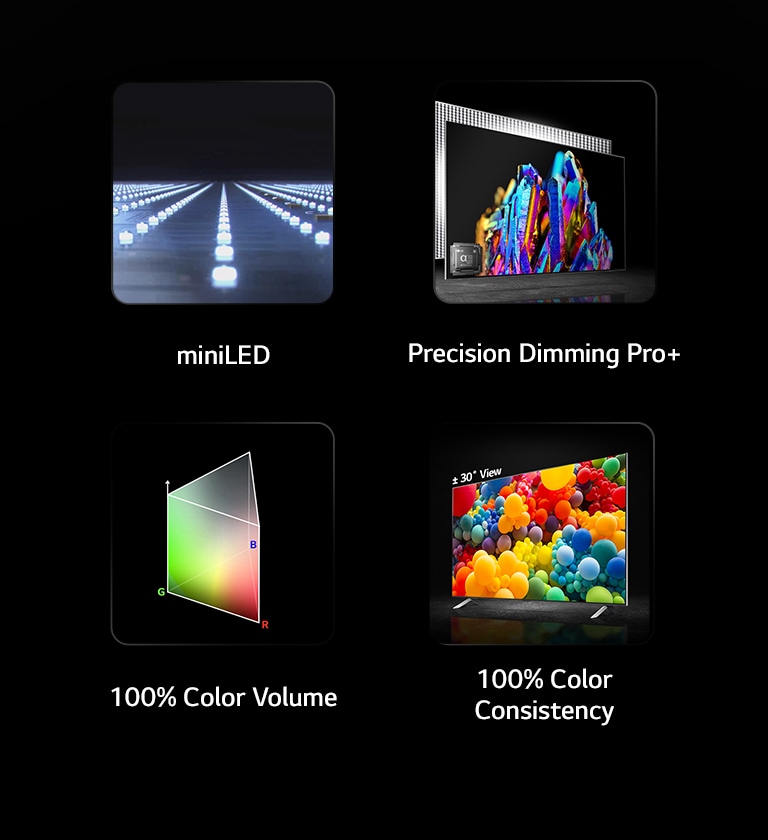
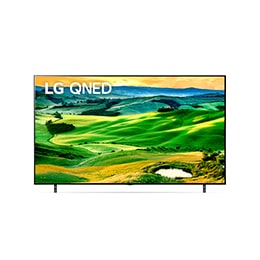
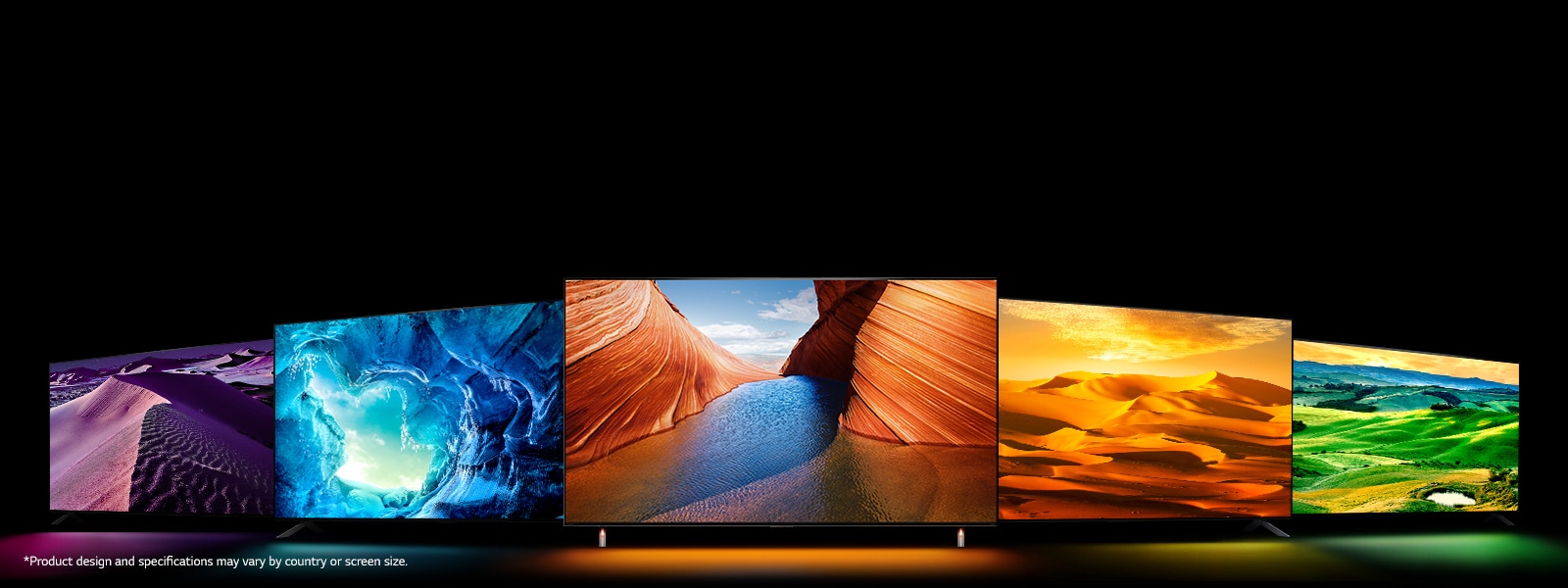
See which QNED is
perfect for you
-
OUR AUTHORIZED RETAILERS








*productTag1*
*productTag2*
ADD TO WISHLIST
Add items to your MYLG wishlist
View Wishlist-
*shortDesc*
*shortDesc*
-
*obsInstallmentCashback1*
component-installMessage
-
component-obsLeadTime1*obsLeadTimeMin*component-obsLeadTime2*obsLeadTimeMax*component-obsLeadTime3
-
*obsInstallmentCashback2*
component-warrantyMessage
*shortDesc*
*shortDesc*
*shortDesc*
*shortDesc*
*shortDesc*


-
NEW
ADD TO WISHLIST
Add items to your MYLG wishlist
View Wishlist-
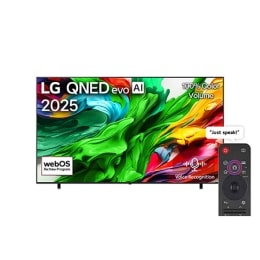
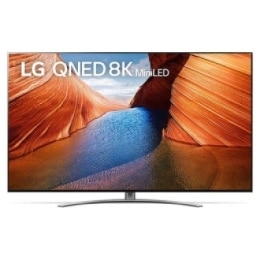
Immersive viewing experience on a Ultra Big TV
-
LG's unique wide color gamut technology deliversaLG's unique wide color gamut technology delivers incredibly rich color palette with Dynamic QNED Color Pro incredibly rich color palette with Dynamic QNED Color
-
Mini LED with Precision Dimming ensures the sharpest picture and reveals the finest details
-
-
NEW
ADD TO WISHLIST
Add items to your MYLG wishlist
View Wishlist-
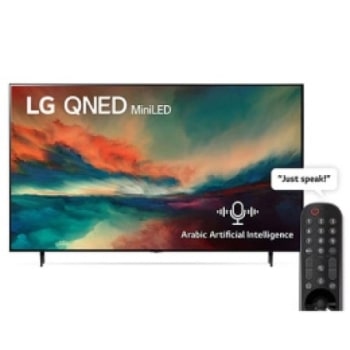
Immersive viewing on an Ultra Big TV with a refined Linear Flow Design, made to complement your space
-
LG's unique wide color gamut technology delivers incredibly rich color palette with Dynamic QNED Color
-
Enhanced clarity and exceptional contrast with Mini LED
-
-
ADD TO WISHLIST
Add items to your MYLG wishlist
View Wishlist-
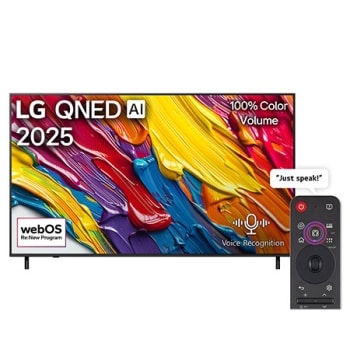
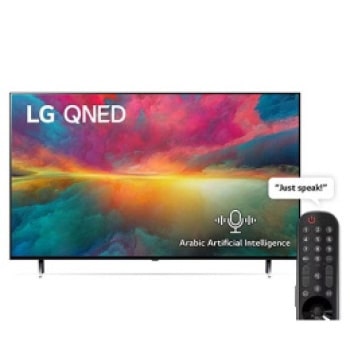
Incredibly rich color palette from All New Dynamic QNED Color
-
4K picture quality, upscaled visual and surround sound from the alpha 7 4K AI Processor Gen8
-
New AI button, voice controls, drag and drop functions on the AI Magic Remote
-
-
ADD TO WISHLIST
Add items to your MYLG wishlist
View Wishlist-
Incredibly rich color palette from All New Dynamic QNED Color
-
4K picture quality, upscaled visual and surround sound from the alpha 8 AI Processor Gen2
-
New AI button, voice controls, drag and drop functions on the AI Magic Remote
-
-
ADD TO WISHLIST
Add items to your MYLG wishlist
View Wishlist-
Incredibly rich color palette from All New Dynamic QNED Color
-
4K picture quality, upscaled visual and surround sound from the alpha 7 4K AI Processor Gen8
-
New AI button, voice controls, drag and drop functions on the AI Magic Remote
-
-
ADD TO WISHLIST
Add items to your MYLG wishlist
View Wishlist-
Incredibly rich color palette from All New Dynamic QNED Color
-
4K picture quality, upscaled visual and surround sound from the alpha 8 AI Processor Gen2
-
New AI button, voice controls, drag and drop functions on the AI Magic Remote
-
-
ADD TO WISHLIST
Add items to your MYLG wishlist
View Wishlist-
Incredibly rich color palette from All New Dynamic QNED Color
-
4K picture quality, upscaled visual and surround sound from the alpha 8 AI Processor Gen2
-
New AI button, voice controls, drag and drop functions on the AI Magic Remote
-
-
ADD TO WISHLIST
Add items to your MYLG wishlist
View Wishlist-
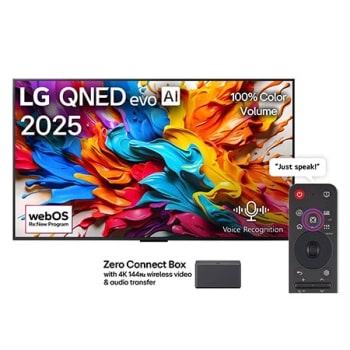
4K 144Hz wireless transfer with visually lossless quality through the Zero Connect Box
-
Incredibly rich color palette from All New Dynamic QNED Color
-
4K picture quality, upscaled visual and surround sound from the alpha 9 AI Processor Gen8
-
-
ADD TO WISHLIST
Add items to your MYLG wishlist
View Wishlist-
Incredibly rich color palette from All New Dynamic QNED Color
-
4K picture quality, upscaled visual and surround sound from the alpha 7 4K AI Processor Gen8
-
New AI button, voice controls, drag and drop functions on the AI Magic Remote
-
-
ADD TO WISHLIST
Add items to your MYLG wishlist
View Wishlist-
Incredibly rich color palette from All New Dynamic QNED Color Pro
-
4K picture quality, upscaled visual and surround sound from the alpha 8 AI Processor Gen2
-
New AI button, voice controls, drag and drop functions on the AI Magic Remote
-
-
ADD TO WISHLIST
Add items to your MYLG wishlist
View Wishlist-
Incredibly rich, vibrant palette from QNED Color
-
Extraordinary picture and sound quality with the alpha 9 AI Processor 8K Gen7
-
Ultra-sharp, defined details from Precision Dimming Technology
-
-
ADD TO WISHLIST
Add items to your MYLG wishlist
View Wishlist-
Maximum wide immersion from an ultra big display
-
Incredibly rich, vibrant palette from QNED Color
-
Fully optimized picture and sound with the alpha 8 AI Processor 4K
-
-
ADD TO WISHLIST
Add items to your MYLG wishlist
View Wishlist-
Incredibly rich, vibrant palette from QNED Color
-
Fully optimized picture and sound with the alpha 8 AI Processor 4K
-
Ultra-sharp, defined details from Precision Dimming Technology
-
-
ADD TO WISHLIST
Add items to your MYLG wishlist
View Wishlist-
Incredibly rich, vibrant palette from QNED Color
-
Fully optimized picture and sound with the alpha 8 AI Processor 4K
-
Sharp, precise detail with Advanced Local Dimming
-
-
ADD TO WISHLIST
Add items to your MYLG wishlist
View Wishlist-
Incredibly rich, vibrant palette from QNED Color
-
Enhanced picture and sound quality with the alpha 5 AI Processor 4K Gen7
-
Sharp, precise detail with Advanced Local Dimming
-
-
ADD TO WISHLIST
Add items to your MYLG wishlist
View Wishlist-
Incredibly rich, vibrant palette from QNED Color
-
Fully optimized picture and sound with the alpha 8 AI Processor 4K
-
Ultra-sharp, defined details from Precision Dimming Technology
-
-
ADD TO WISHLIST
Add items to your MYLG wishlist
View Wishlist-
[MiniLED] for improved contrast ratio
-
[Available in 3 sizes] 86, 75
-
[α9 Gen5 AI Processor 8K] for enhanced viewing experience
-
-
ADD TO WISHLIST
Add items to your MYLG wishlist
View Wishlist-
Dimming Pro & Ultra Contrast LED TV
-
Smart Functionality, including ThinQ AI and WebOS
-
Immerse yourself in a quality picture with α5 AI Processor 4K Gen6
-
-
ADD TO WISHLIST
Add items to your MYLG wishlist
View Wishlist-
An enhanced viewing experience with Precision Dimming
-
A smarter viewing experience with the α7 AI Processor 4K Gen6
-
A personalized TV experience with ThinQ AI & webOS with My Profile, AI Concierge
-
-
ADD TO WISHLIST
Add items to your MYLG wishlist
View Wishlist-
An enhanced viewing experience with Precision Dimming
-
A smarter viewing experience with the α7 AI Processor 4K Gen6
-
A personalized TV experience with ThinQ AI & webOS with My Profile, AI Concierge
-
-
ADD TO WISHLIST
Add items to your MYLG wishlist
View Wishlist-
α7 Gen5 AI processor 4K, outstanding picture & sound
-
Dimming Pro, LED dimming sections boost the contrast, bringing 4K content to life
-
LG AI ThinQ and webOS Smart TV with Magic Remote
-
-
ADD TO WISHLIST
Add items to your MYLG wishlist
View Wishlist-
α7 Gen5 AI processor 4K , outstanding picture & sound
-
Improves contrast ratio with Precision Dimming
-
Exceptional cinema & sport with Dolby Vision IQ and Dolby Atmos
-
-
ADD TO WISHLIST
Add items to your MYLG wishlist
View Wishlist-
α7 Gen5 AI processor 4K , outstanding picture & sound
-
Improves contrast ratio with Precision Dimming Pro+
-
Exceptional cinema & sport with Dolby Vision IQ and Dolby Atmos
-
-
NEW
ADD TO WISHLIST
Add items to your MYLG wishlist
View Wishlist-
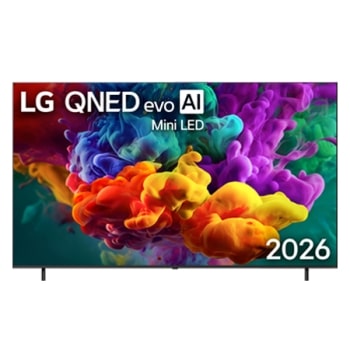
Immersive viewing on an Ultra Big TV with a refined Linear Flow Design, made to complement your space
-
LG's unique wide color gamut technology delivers incredibly rich color palette with Dynamic QNED Color
-
Enhanced clarity and exceptional contrast with Mini LED
-
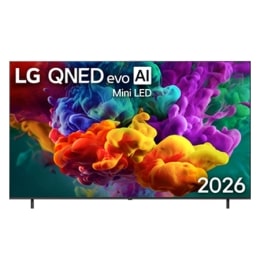
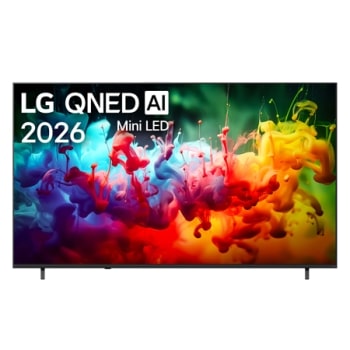
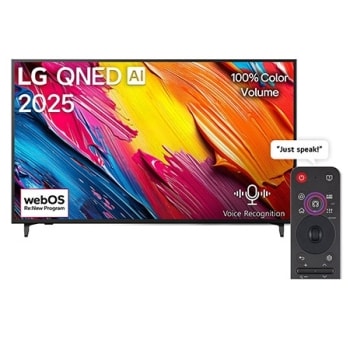
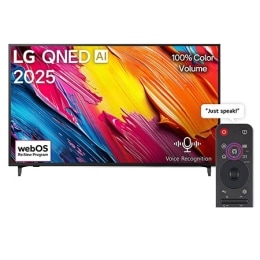
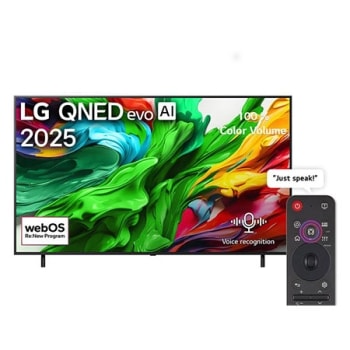

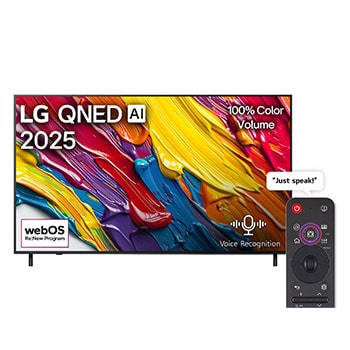
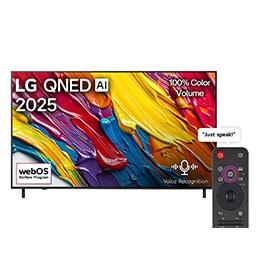
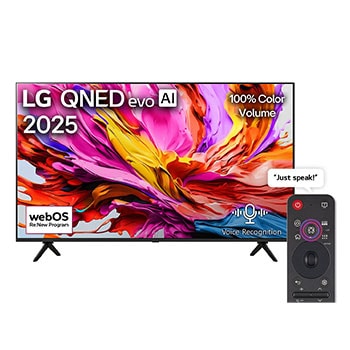
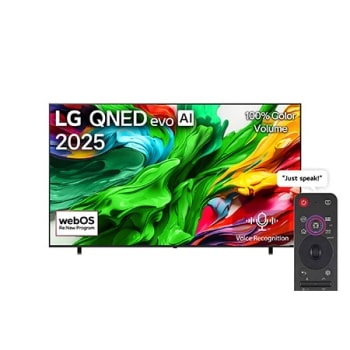
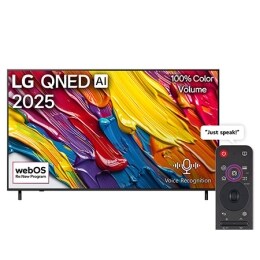
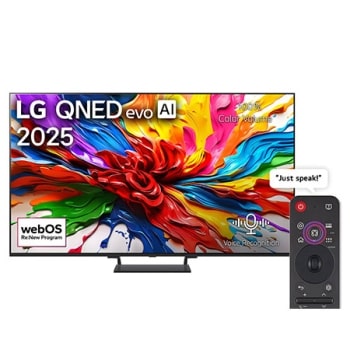
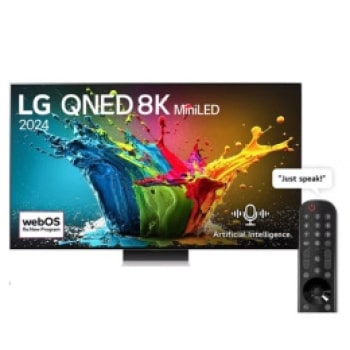
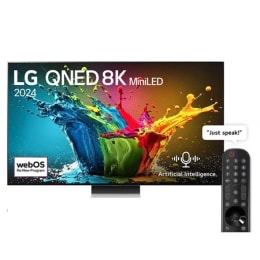
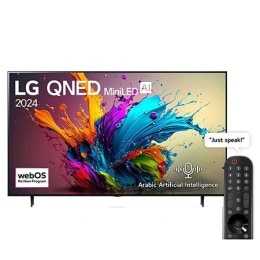
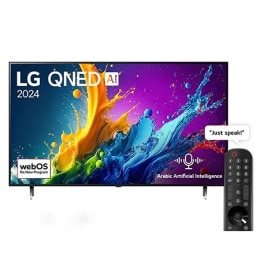
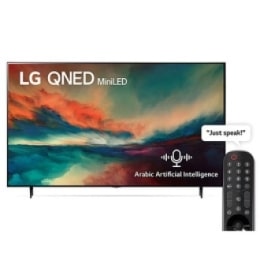
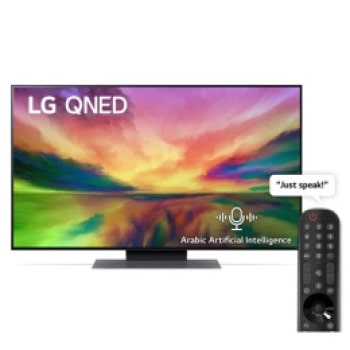
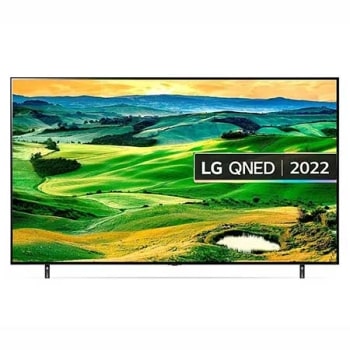
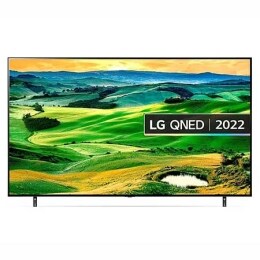
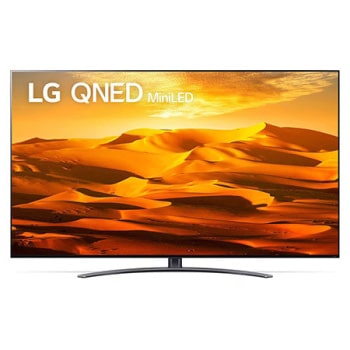
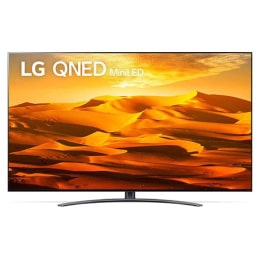
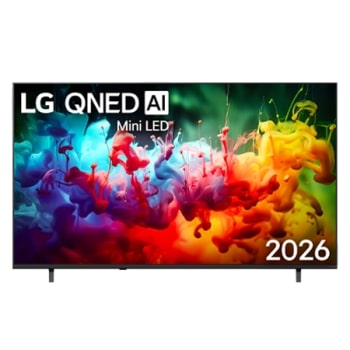
 There is no data.
*limitSaleTitle*
*emiMsg*component-B2CPriceOnVipGroups AED *b2cPriceOnVipGroups*
OBS_MEMBERSHIP_MSG AED *membershipPrice*
*obsMemberShipLinkEnd*OBS_CHEAPERPRICE_MSG AED *cheaperPrice*
OBS_LOWEST_PRICE_MARK_MSG
( *obsWelcomePriceDescription* AED *obsWelcomePrice* )
OBS_MEMBERSHIP_MSG AED *recommendedMembershipPrice*
-
Q.
What is the difference between QNED and QLED TVs?
-
A.Both are LED-backlit LCD televisions, and the difference is in the color solution each one uses. LG QNED uses Dynamic QNED Color, LG's latest and unique wide color gamut technology, and every 2025 and 2026 QNED series is certified for 100% Color Volume, with a display color gamut volume equal to or above the DCI-P3 color space as independently verified by Intertek. QLED is an industry label other manufacturers apply to their own color layer. QNED also pairs its color solution with backlight control, using local dimming on the standard QNED tiers and Mini LED with Precision Dimming on QNED evo and select QNED models.
-
Q.
What is a QNED TV, and how does QNED technology work?
-
A.A QNED TV is an LED-backlit LG television, available in 4K and 8K, built around Dynamic QNED Color, LG's latest and unique wide color gamut technology. Every 2025 and 2026 QNED series is certified for 100% Color Volume against the DCI-P3 color space, independently verified by Intertek. Contrast comes from backlight control, using local dimming on the standard QNED tiers and Mini LED with Precision Dimming on QNED evo, with Dynamic QNED Color Pro on select models such as QNED93 and QNED85. The processor completes the picture, from the alpha 7 4K AI Processor Gen8 on QNED82, through the alpha 8 AI Processor Gen2 on QNED86 and QNED91, up to the alpha 9 AI Processor Gen8 on QNED9M and the alpha 8 AI Processor 4K Gen3 on QNED85.
-
Q.
Which is better when comparing QNED vs OLED TVs?
-
A.QNED and OLED lead in different places. QNED is LED-backlit, so it holds high brightness across a full screen and scales to very large sizes, reaching 100 inches in the current range, with 100% Color Volume certified by Intertek on the 2025 and 2026 series. OLED uses self-lit pixels that switch off individually, which gives true black in every pixel and wider viewing angles. Bright rooms and very large screens favor QNED, while dark room viewing and contrast-critical content favor OLED.
-
Q.
What should I consider when choosing an LG QNED TV?
-
A.Refresh rate is the first decision: QNED72 and QNED82 are 60Hz native, while QNED85B, QNED86A, QNED91, QNED93A and QNED9M support VRR up to 144Hz, with wireless 4K transfer through the Zero Connect Box on QNED9M. Backlight is the second, since the evo tiers use Mini LED with Precision Dimming while the standard QNED tiers use local dimming. Then processor and screen size, from the alpha 7 4K AI Processor Gen8 up to the alpha 9 AI Processor Gen8, across 55 to 100 inch models. Software is the last check, since the 2026 series runs the latest webOS with expanded AI experiences, the 2025 series runs webOS 25 with the AI Magic Remote, and earlier model years still listed run webOS 24.
-
Q.
Are LG QNED models suitable as a gaming TV for PlayStation and Xbox?
-
A.Yes. QNED models carry ALLM and VRR, with AMD FreeSync support on select models, plus Game Optimizer and the Game Dashboard for changing settings without leaving the game. PlayStation 5 and Xbox Series X output up to 4K 120Hz, and QNED85B, QNED86A, QNED91, QNED93A, or QNED9M add VRR up to 144Hz on top of that, while QNED72, QNED82 and the entry tiers are 60Hz native. Gaming Portal also runs cloud gaming services without a console attached.
OBS_MEMBERSHIP_MSG AED *siblingMembershipPrice*
*obsMemberShipLinkEnd*