HELPFUL HINTS

    What Is PM2.5 and How Can You Manage It Indoors?


    Have you ever noticed the air feeling heavy after cooking? Or wondered whether the air inside your home is really as clean as it looks, even with the windows closed? Clean indoor air is something we all want, but it's not always clear how to achieve it.


    You can't see them, but particles like PM2.5 are floating in the air around us. They come from both outdoor pollution and everyday things you do at home, like cooking or lighting a candle. That's why managing indoor air quality is just as important as paying attention to the air outside.


    In this article, you'll learn what PM2.5 is, where it comes from, why it matters indoors, and how LG air purifiers help monitor and manage indoor air quality through smart air care technologies.

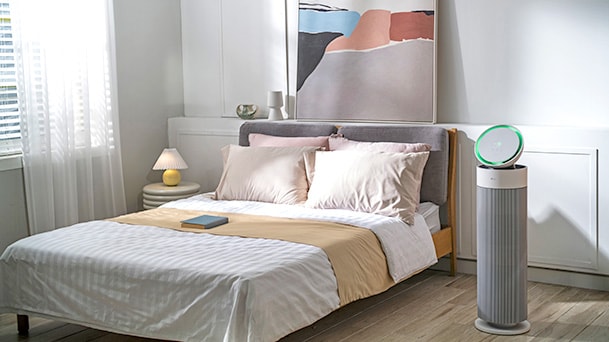
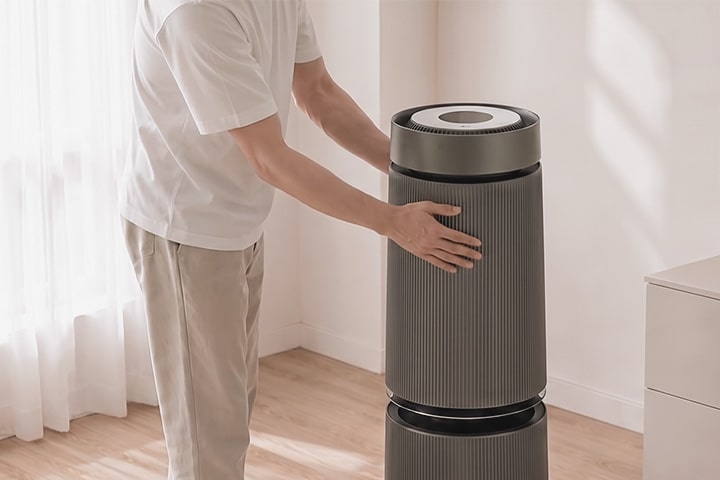
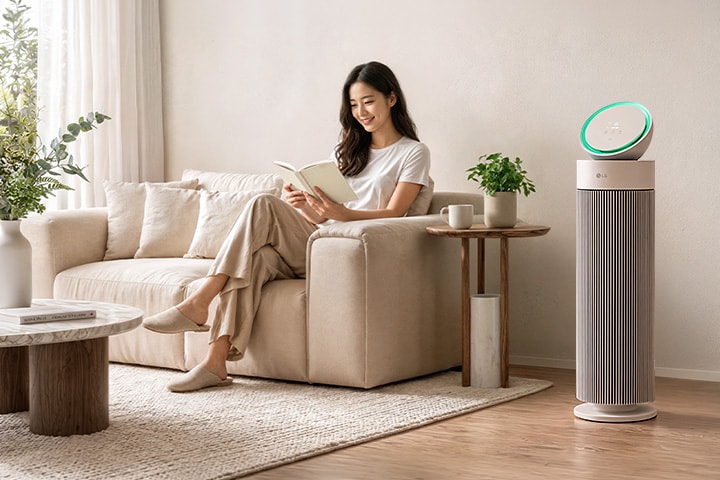
    LG AeroBooster air purifier in a bright living room helping maintain comfortable indoor air quality.

    LG AeroBooster air purifier in a bright living room helping maintain comfortable indoor air quality.

    *This image was conceptualized by humans and realized with AI.

    What Is PM2.5?

    PM2.5 refers to fine particulate matter measuring 2.5 micrometers (μm) or smaller in diameter. Because these particles are extremely small, they can stay airborne for a long time, whether they drifted in from outside or formed right in your kitchen. Even if the air looks clean, that doesn’t always mean the actual air quality is good, because there may be tiny particles floating in the air that are invisible to the naked eye.

    Understanding the Size of PM2.5

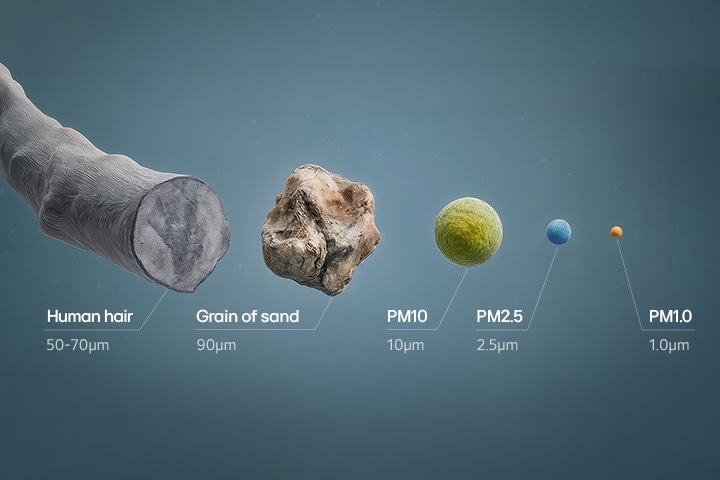
    A number alone makes it hard to picture how small PM2.5 really is. But when compared with familiar everyday objects, it's easier to understand why these particles are much harder to manage than ordinary dust.


    Compared with everyday objects:


    • Human hair: approximately 50–70 μm

    • Grain of sand: approximately 90 μm

    • PM10 (coarse particulate matter): under 10 μm

    • PM2.5 (fine particulate matter): under 2.5 μm

    • PM1.0 (ultrafine particulate matter): under 1.0 μm

    Illustration comparing human hair, PM10, PM2.5, and PM1.0 particle sizes

    Illustration comparing human hair, PM10, PM2.5, and PM1.0 particle sizes

    Why Does Particle Size Matter?

    Particle size is more than just a measurement. It is a key factor in understanding the impact of airborne particles on our bodies. Generally, larger dust particles are filtered out by the nose and airways, but smaller particles, such as PM2.5, can reach deeper into the respiratory system. Because smaller particles stay in the air longer, they tend to accumulate indoors without appropriate filtration.

    This is why clean-looking air isn't the full picture, and managing the ultrafine particles that you can't see matters too.

    How Can PM2.5 Affect Your Health?

    PM2.5 has received significant attention not simply because of its size, but because of how those tiny particles may interact with the human body. The World Health Organization (WHO) identifies PM2.5 as one of the key indicators of air pollution and recommends reducing long-term exposure wherever possible.1)


    Research continues to look into how fine particles like PM2.5 may affect our health, and indoor air quality is especially worth paying attention to in homes with children, older adults, or anyone sensitive to airborne pollutants.


    • They can reach deep into the lungs

    Because PM2.5 is smaller than ordinary dust, it can travel as far as the alveoli, which are deep in the respiratory system.

    • Even smaller particles are being studied for their potential to reach the bloodstream

    Research suggests that ultrafine particles such as PM1.0 may pass through the lungs into the bloodstream.

    • They can carry other pollutants

    PM2.5 particles can transport substances such as heavy metals and other airborne contaminants, making indoor air management all the more important.

    Where Does PM2.5 Come From?

    Many people picture PM2.5 as something that only comes from outdoors, like vehicle exhaust or factories. Certainly, outdoor pollution is a major source. But indoors, where we spend most of the day, PM2.5 can form more easily than you'd expect. Because both pollutants that drift in from outside and particles generated indoors affect the air together, managing your indoor air effectively means understanding both.

    Outdoor Sources of PM2.5

    Outdoor air quality changes constantly with the season, weather, and local environment. In areas with heavy traffic or nearby industrial facilities, PM2.5 levels can climb. And on days when pollution is heavy, it can drift indoors through windows or vents. So before you open your windows to circulate the air, it helps to check the air quality outside.


    Common outdoor sources of PM2.5 include:


    • Vehicle emissions from busy roads

    • Industrial facilities and power plants

    • Seasonal air pollution and long-range transported pollutants

    Indoor Activities That Generate PM2.5

    Closing the windows doesn't necessarily mean the air indoors stays clean. In fact, many everyday activities can quietly generate fine particles. Cooking, burning candles, or using incense can all release tiny airborne particles into your home. Without adequate ventilation, these particles may remain suspended in the air for longer periods, making regular indoor air management even more important.


    Common indoor sources include:


    • Cooking fumes and oil particles

    • Candles and incense

    • Indoor smoking

    • Poorly ventilated indoor spaces

    • Dust particles from bedding and clothing

    How Can You Reduce PM2.5 Indoors?

    There's no single solution to indoor PM2.5. A cleaner, more comfortable home comes from a mix of everyday habits: ventilating when the air outdoors is good, keeping indoor sources in check, and using an air purifier for round-the-clock peace of mind. Just a few small changes to your routine can go a long way toward cleaner indoor air.

    Ventilate With Good Outdoor Air Quality

    Ventilation is one of the simplest ways to remove indoor pollutants, but timing matters. Opening the windows when outdoor PM2.5 levels are high may allow more pollutants into your home. Choosing times when outdoor air quality is better can help remove indoor pollutants while reducing the amount of fine particles entering your living space. Checking your local air quality before ventilating can help you make more informed decisions.

    Reduce PM2.5 at the Source

    While an air purifier can help to keep your air clean, a few everyday habits can reduce ultrafine particles before they form. A few to keep in mind:


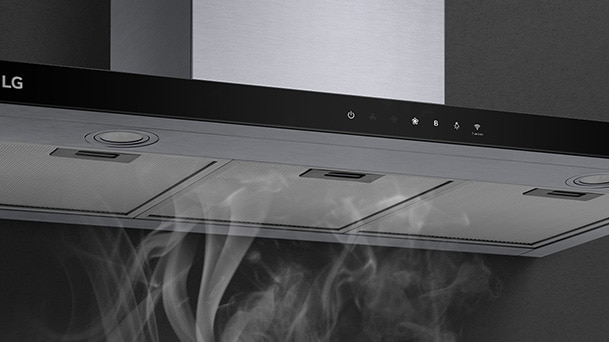
    • Using a range hood while cooking

    • Limiting the use of candles and incense

    • Avoiding indoor smoking

    • Reducing activities that generate smoke or fine particles

    Keep the Air Managed With an Air Purifier

    Even with good ventilation and habits, some ultrafine particles are hard to remove. This is especially true when outdoor air quality is poor or your ventilation options are limited. An air purifier continuously detects and filters ultrafine particles, helping keep your indoor air quality steadier through the day. It circulates the air no matter how the outdoor air changes, helping keep your home comfortable.

    Recommended Indoor Air Quality Practices

    SituationRecommended Action
    Cooking or fryingUse a range hood and ventilate after cooking
    Outdoor air quality is goodOpen windows for natural ventilation
    Outdoor PM2.5 levels are elevatedLimit ventilation and use an air purifier
    Normal home (no pollution source)Operate an air purifier continuously or in Auto Mode
    Homes with children, pets, or allergy sufferersMonitor air quality and maintain regular filtration

    Is Managing PM2.5 Alone Enough?

    PM2.5 is the most widely used standard for managing indoor air quality. But the air we breathe also holds even smaller particles, like PM1.0. To manage indoor air more precisely, newer technology now monitors both PM2.5 and PM1.0. While PM2.5 remains an essential indicator, monitoring even smaller particles can help identify subtle changes in air quality that might otherwise go unnoticed.

    What Difference Does Detecting PM1.0 Make?

    Detecting PM1.0 isn't a replacement for managing PM2.5. It adds a more precise layer of monitoring to it. Air-quality technology is moving toward monitoring particles of different sizes together, giving a fuller picture of the indoor environment. Detecting smaller particles means you can spot subtle air-quality changes faster, and it helps the purifier run efficiently in changing conditions.

    That's why sensing technology that detects both PM2.5 and PM1.0 is increasingly built into air purifiers.

    How Do LG Air Purifiers Help Manage Indoor Air Quality?

    Maintaining good indoor air quality involves more than simply filtering the air. To manage changing indoor conditions effectively, it's important to understand what's happening in the air, respond to those changes, and continue improving air quality over time.


    LG air purifiers combine intelligent sensing, multi-layer filtration, and smart connectivity to help you monitor and manage indoor air quality more easily.

    PM1.0 Sensor2) for More Precise Monitoring

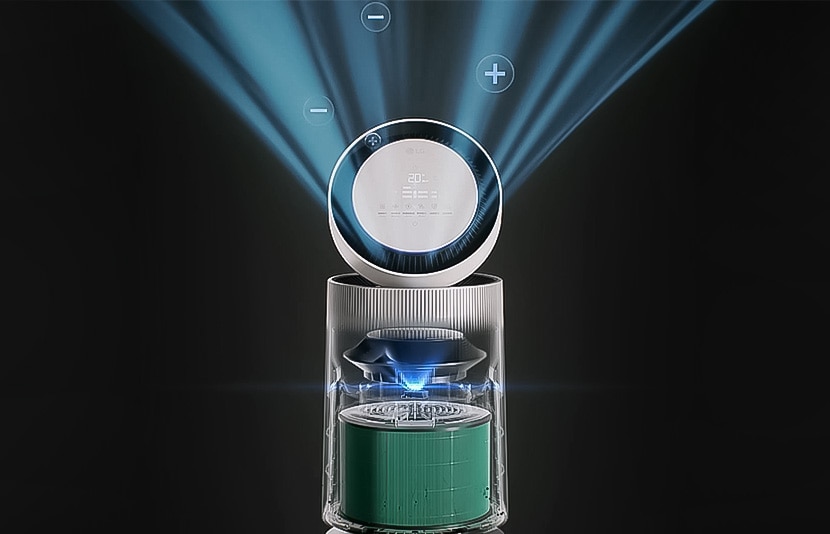
    LG air purifiers use a PM1.0 sensor to detect ultrafine particles even smaller than PM2.5, tracking changes in your indoor air in finer detail. Because you can check the air in real time, you get an accurate read on your home environment even in moments where it changes, like after cooking or around ventilation. 


    It's one way LG builds broader particle monitoring into everyday air care.

    How to Read the Air Quality Indicator

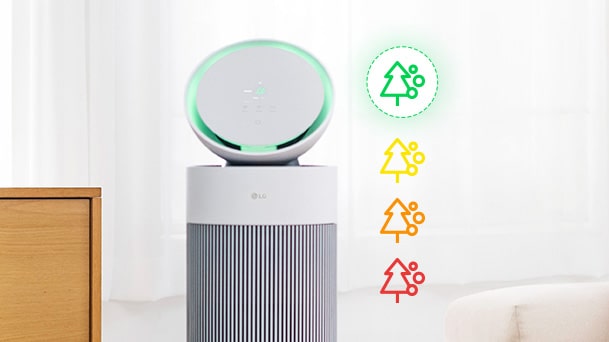
    Because airborne particles are invisible, knowing when your indoor air quality changes isn't always easy. LG air purifiers feature a color-coded air quality indicator that makes it simple to understand your current indoor air conditions. A quick glance at the display allows you to see when air quality changes, whether after cooking, during ventilation, or throughout your daily routine.

    What Do the Colors Mean?


    ColorAir Quality Status
    RedVery Poor
    OrangePoor
    YellowModerate
    GreenGood

    Multi-Layer Filtration3) for Everyday Indoor Air Care

    Airborne pollutants aren't all the same size or type. They range from large dust to ultrafine particles to everyday odors and gases, so no single filter can manage them all.


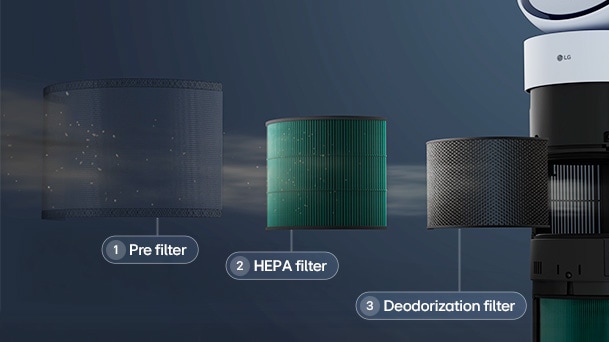
    That's why LG air purifiers use several filter stages to handle a range of pollutants step by step, helping keep your indoor air cleaner and more comfortable.


    • Pre-Filter: Catches larger particles like dust, pet hair, and lint in the first purification stage, easing the load on the filters behind it

    • HEPA Filter: Helps capture fine particles, including PM2.5, for cleaner indoor air.

    • Deodorization Filter: Helps reduce everyday odors and gaseous pollutants for a fresher indoor environment.

    Smart Air Care with LG ThinQ4)

    Indoor air quality can change gradually through the day, whether you're away or in another room. When you can check it remotely, ongoing air management becomes more convenient.


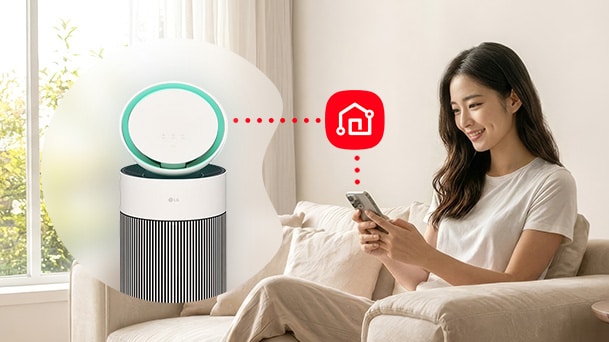
    With the LG ThinQ app, you can monitor real-time indoor air quality and check your air purifier's operating status anytime, from anywhere. The app also helps you keep track of filter maintenance and replacement timing, making it easier to maintain your air purifier.


    In one convenient app, LG ThinQ lets you:


    • Check real-time indoor air quality

    • Monitor and control your air purifier's operating status

    • Receive filter maintenance and replacement notifications

    Of everything you manage at home, air is probably the easiest to overlook. But the air quality of the spaces you live in every day affects your everyday comfort and health.


    Thankfully, you don't need a complicated routine for a healthier home. Small habits that reduce PM2.5 and a regular check on your air quality take you most of the way. LG air purifiers handle the rest, with a PM1.0 sensor, a multi-layer filter system, and smart air care through LG ThinQ.


    Find the LG air purifier that fits your home, and manage even the air you can't see, more clearly and more easily.

    FAQ

    Q. Does keeping the windows closed prevent PM2.5?

    Not entirely. Keeping the windows closed may help reduce PM2.5 from entering your home when outdoor air quality is poor, but fine particles can still be generated indoors through everyday activities such as cooking, burning candles or incense, and smoking. Managing PM2.5 indoors involves choosing the right time to ventilate, reducing indoor pollution sources, and using an air purifier.

    Can indoor PM2.5 levels be high even when outdoor air quality is good?

    Yes. Indoor PM2.5 levels can be influenced by activities such as cooking, smoking, burning candles, and limited ventilation. Even when outdoor air quality is good, indoor sources can temporarily increase particle levels.

    Can PM2.5 affect every room in the home?

    Airborne particles can move between connected indoor spaces through natural airflow, ventilation systems, and everyday movement within the home.

    How can I check my indoor air quality?

    Because airborne particles are invisible, indoor air quality cannot be judged by sight alone. An air purifier with a PM1.0 sensor and an air quality indicator can help you monitor changes in indoor air quality in real time. Some models also allow you to check air quality and the purifier's operating status through a connected app.

    How often should the filter be replaced?

    The HEPA filter should be replaced once a year. The product will automatically remind you when the filter needs replacing. You can view the notification not only on the product itself but also through the LG ThinQ app.

    *Filter replacement intervals are calculated based on 10 hours of daily use. Actual replacement intervals may vary depending on actual usage time and environment.

    [Disclaimer]

    1) Source: WHO global air quality guidelines: particulate matter (‎PM2.5 and PM10)‎, ozone, nitrogen dioxide, sulfur dioxide and carbon monoxide

    2) PM 1.0 Sensor

    Test Report Number: CT24-078042E_M1

    -Testing period: September 3, 2024 ~ September 9, 2024

    -Testing organization: Korea Certified Laboratory (KCL)

    -Test product: AS55*G***

    Test conditions: Test chamber dimensions: 30.0 mm, temperature: 23.0 ± 3.0℃, humidity: 50.0 ± 10.0 %RH.

    -Operating conditions: Powerful mode

    -Test method: SPS-KACA 002-0132:2022 Modified, Appendix A of Indoor Air Purifiers

    Test results: After 28 minutes and 10 seconds of machine operation, the removal rate of 0.01-micron particles was 99.999%.

    Test results may vary depending on the test and environmental conditions.

    The PM 1.0 particulate sensor detects both fine and coarse dust particles, so it is recommended to clean the sensor every two months.

    3) Multi-filtration system

    *Reduce mold growth

    Test Report Number: CT24-080951E 

    -Testing period: September 11, 2024 ~ October 17, 2024

    -Test Model: AS55*G***

    -Testing organization: Korea Certified Laboratory (KCL)


    Test method: ISO 16000-36:2018 Mod., test time 1 hour, ambient temperature 22.8±0.5℃, humidity 51.5±1.0% RH, wind force level 4.

    -Test strain: Aspergillus brasiliensis ATCC 9642

    -Test results: The concentration before operation was 3.2 x 10⁴ CFU/km², while the concentration after machine operation was <10 CFU/km², indicating a 99.9% reduction rate in Aspergillus brasiliensis.

    Test results may vary depending on the test and environmental conditions.

    *Reduces odors and airborne chemicals

    Test Report Number: CT24-078847E  

    -Testing period: September 5, 2024 to September 30, 2024

    -Testing organization: Korea Certified Laboratory (KCL)

    -Test Model: AS155GWDL

    Test conditions: Temperature 21±1℃, Humidity 45±5% RH, Test chamber 8.0±0.5㎥

    -Test method: SO₂ and NO₂ removal rate tests were conducted according to SPS-KACA002-132:2022. 

    -Test results: NO₂ (removed more than 99.5% after 30 minutes of machine operation), SO₂ (removed 80% after 30 minutes of machine operation, and 99% after 120 minutes of operation)

    -Test mode: High-power mode, Level 4 (rated airflow)

    Test results may vary depending on the test and environmental conditions.

    *Reduce bacteria

    Test report number: 24-058167-02-2

    -Test dates: September 10, 2024 ~ September 11, 2024

    -Test Model: AS55*G***

    -Testing organization: Korea Testing Laboratory (KTL)

    Test conditions: Temperature 23±2℃, Humidity 50±5% RH, Maximum wind speed

    -Test bacteria: Staphylococcus epidermidis (ATCC 12228)

    -Testing Method: KOUVA AS 02: 2023

    Test results: In a 60m³ space, after the machine ran for 60 minutes, it removed 99.8% of Staphylococcus epidermidis.

    Test results may vary depending on the test and environmental conditions.

    *Reduce viruses

    Test report number: 24-058167-02-1

    -Test dates: September 10, 2024 ~ September 11, 2024

    -Test Model: AS55*G***

    -Testing organization: Korea Testing Laboratory (KTL)

    Test conditions: Temperature 23±2℃, Humidity 50±5% RH, Maximum wind speed

    -Virus tested: Phi-X174 (ATCC13706-B1)

    -Testing Method: KOUVA AS 02: 2023

    Test results: In a 60m³ space, after the machine ran for 30 minutes, it removed 98.9% of the Phi-X174 virus.

    Test results may vary depending on the test and environmental conditions.

    4) LG ThinQ

    -Requires a Wi-Fi connection and product registration on the LG ThinQ app.

    Google and Google Home are trademarks of Google LLC.

    Amazon, Alexa, Echo, and all related logos and dynamic marks are trademarks of Amazon.com, Inc. or its affiliates.

    Featured Products