Share this content.

You can share the items you like with

your friends

Helpful Tips

5 Tips to Organize Your Refrigerator Like a Pro


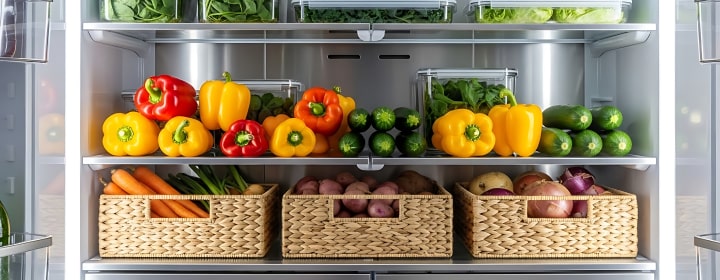
Organized refrigerator shelves with vegetables and woven baskets, showing a clean and efficient way to store fresh food.

Organized refrigerator shelves with vegetables and woven baskets, showing a clean and efficient way to store fresh food.

Opening your refrigerator door shouldn't feel like navigating a cluttered maze. A well-organized fridge is more than just aesthetically pleasing; it's a cornerstone of an efficient kitchen, promoting better food hygiene, reducing waste, and saving you time and money. Learning how to organize your refrigerator effectively transforms it from a simple cold storage box into a streamlined system for preserving your food. This guide provides five practical, step-by-step tips to help you conquer fridge chaos and maintain a beautifully organized and functional space, making your daily interactions with this essential appliance a breeze.

Why Organizing Your Refrigerator Matters


Taking the time to organize your refrigerator neatly offers significant benefits beyond just looking good:


✓Reduces Food Waste: When you can clearly see everything you have, you're less likely to forget about items hidden in the back until they expire. Proper organization helps you use food before it spoils, saving money and reducing your environmental impact. A United Nations Environment Programme report highlights that a significant portion of household food waste comes from improper storage.


✓ Improves Food Safety: Storing raw meats separately from ready-to-eat foods prevents cross-contamination, a major cause of foodborne illness. Knowing the right zones for different food types ensures they are kept at optimal temperatures (ideally 4°C or below for the fridge), slowing bacterial growth and keeping food safer for longer.


✓ Saves Time and Energy: Finding ingredients quickly means less time spent rummaging with the door open. The longer the door is open, the more cold air escapes, forcing the refrigerator to work harder and consume more energy to cool back down. An organized fridge allows for quick in-and-out access, contributing to lower electricity bills.


✓ Maximizes Storage Space: Strategic arrangement and the use of appropriate containers allow you to fit more items comfortably and efficiently utilize every shelf and drawer, preventing overcrowding which can hinder proper air circulation.


✓ Simplifies Meal Planning and Shopping: Knowing exactly what you have on hand makes planning meals and creating grocery lists much easier, preventing duplicate purchases and impulse buys of things you already own.

Refrigerator Organization Guide


Ready to transform your fridge? Here’s how to organize the refrigerator neatly in five manageable steps. Approach this task methodically for the best, long-lasting results.

Clearing Out Expired Items


The essential first step to any organization project is a thorough fridge clear out. Don't try to organize around existing clutter.

Organized refrigerator shelves with vegetables and woven baskets, showing a clean and efficient way to store fresh food.

Organized refrigerator shelves with vegetables and woven baskets, showing a clean and efficient way to store fresh food.

1. Empty Everything


Take absolutely everything out of your refrigerator and freezer compartments. Work section by section if emptying the entire fridge at once is overwhelming. Place perishable items in a cooler bag with ice packs to keep them safe.

2. Check Dates Ruthlessly


Inspect every item. Discard any expired food, moldy items, leftovers of questionable age, or condiments that have been open for too long (check recommended storage times after opening). Be honest with yourself about what you will actually use.

3. Clean While Empty


With the fridge empty, it's the perfect opportunity to give it a deep clean (refer to our detailed cleaning guide if needed). Remove shelves and drawers and wash them. Wipe down all interior surfaces, including walls, ceiling, floor, and door seals, using a food-safe cleaner or a solution of vinegar and water. Ensure everything is completely dry before reloading.

4. Group Items Before Reloading


As you prepare to put items back, group similar things together on your counter (e.g., all condiments, all dairy products, fruits, vegetables, meats). This makes the next step of assigning zones much easier. This initial purge not only creates space but is fundamental for hygiene, removing potential sources of bacteria and odors. Consider keeping a small whiteboard or notepad on the fridge door to list contents or use-by dates for better tracking moving forward

Group Items by Category and Storage Zone


Different areas inside your refrigerator maintain slightly different temperatures and humidity levels due to natural convection and design. Categorize food items and store them in their optimal zones for maximum freshness and safety.

Fresh zone refrigerator drawer filled with vegetables, showing optimal storage for fruits and produce.

Fresh zone refrigerator drawer filled with vegetables, showing optimal storage for fruits and produce.

1. Empty Everything


Take absolutely everything out of your refrigerator and freezer compartments. Work section by section if emptying the entire fridge at once is overwhelming. Place perishable items in a cooler bag with ice packs to keep them safe.

2. Check Dates Ruthlessly


Inspect every item. Discard any expired food, moldy items, leftovers of questionable age, or condiments that have been open for too long (check recommended storage times after opening). Be honest with yourself about what you will actually use.

Inspect every item. Discard any expired food, moldy items, leftovers of questionable age, or condiments that have been open for too long (check recommended storage times after opening). Be honest with yourself about what you will actually use.

FAQ

Q.

How should I start organizing my refrigerator?

A.

To start organizing your refrigerator, first empty all items, throw away expired or spoiled food, deep clean the interior, and group similar items together before putting them back. This “clear out + clean + group” step removes hidden sources of bacteria and odors and sets the foundation for a hygienic, organized fridge.

Q.

What containers are best for organizing the refrigerator?

A.

The best containers for organizing a refrigerator are clear, stackable, airtight food storage boxes made from BPA-free plastic or glass in rectangular or square shapes. Clear, uniform containers improve visibility, maximize vertical space, prevent spills, and keep food fresher by controlling moisture and odors.

Q.

What is the FIFO method for refrigerator organization?

A.

The FIFO (First-In, First-Out) method means placing newer groceries behind older ones so you naturally use the older items first. In a refrigerator, storing the new milk carton behind the older one helps ensure older food is consumed before it expires, greatly reducing hidden spoiled items.

Q.

Which LG refrigerator features help with easy organization and less cold air loss?

A.

LG refrigerators support easy organization with features like adjustable shelves, Extra Space compartments, folding shelves, spacious door bins, humidity-controlled crisper drawers (e.g., Fresh Balancer™), and Multi Air Flow™ cooling. Models with Door-in-Door® or InstaView™ provide a separate, quick-access compartment for grab-and-go items, reducing cold air loss by up to 47% compared to opening the full door, based on LG internal testing.