We use cookies, including cookies from third parties, to enhance your user experience and the effectiveness of our marketing activities. These cookies are performance, analytics and advertising cookies, please see our Privacy and Cookie policy for further information. If you agree to all of our cookies select “Accept all” or select “Cookie Settings” to see which cookies we use and choose which ones you would like to accept.
Technology innovation for a sustainable future
Creating a better life through technologies that reduce carbon emissions and preserve resources. Through continuous innovation, LG Electronics enables sustainable lifestyles and leads the way toward a better future.
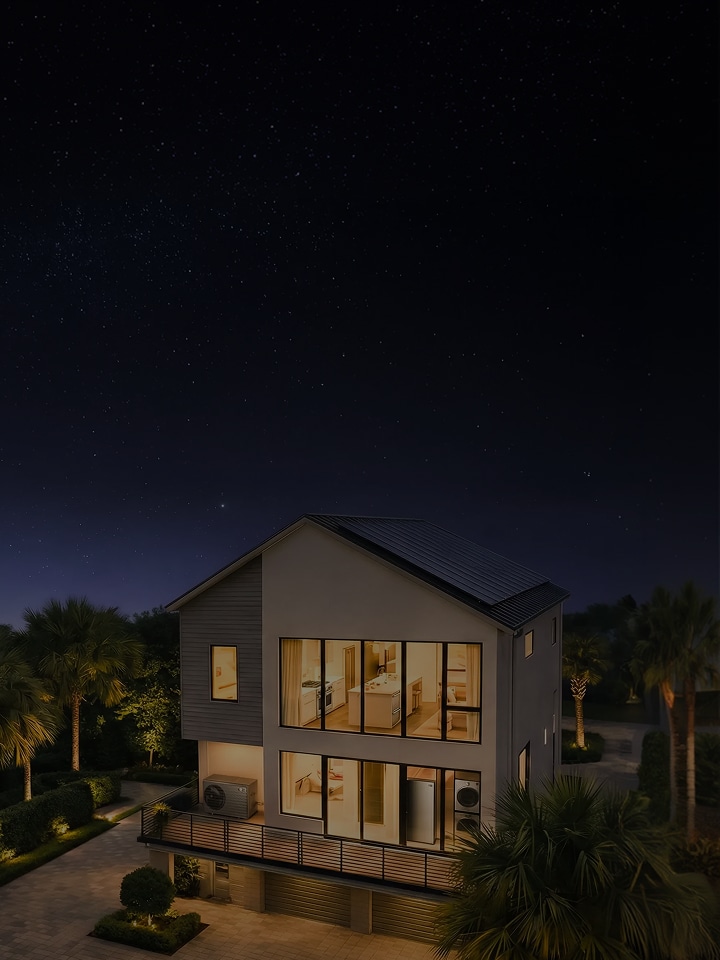
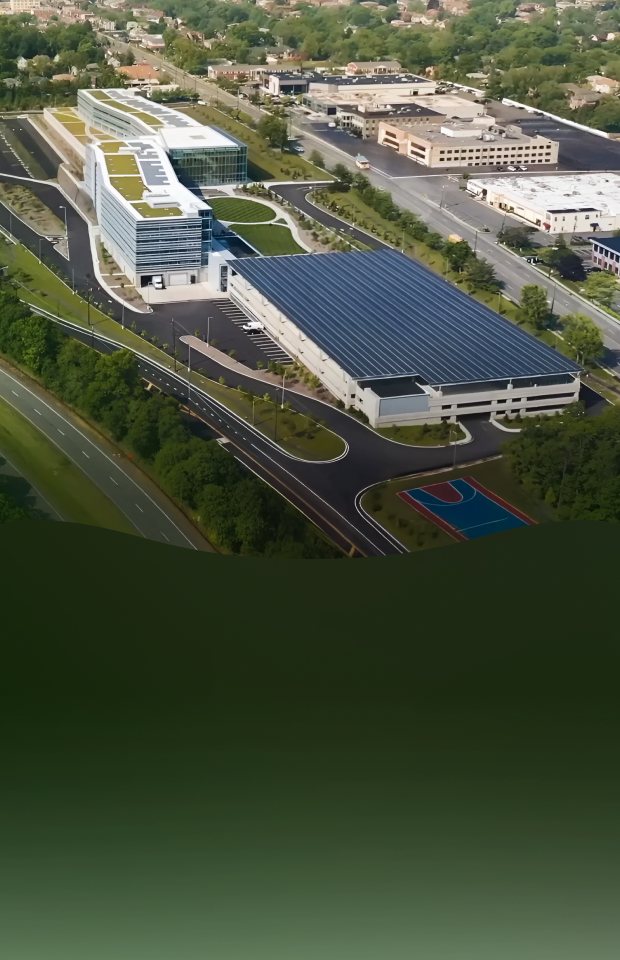
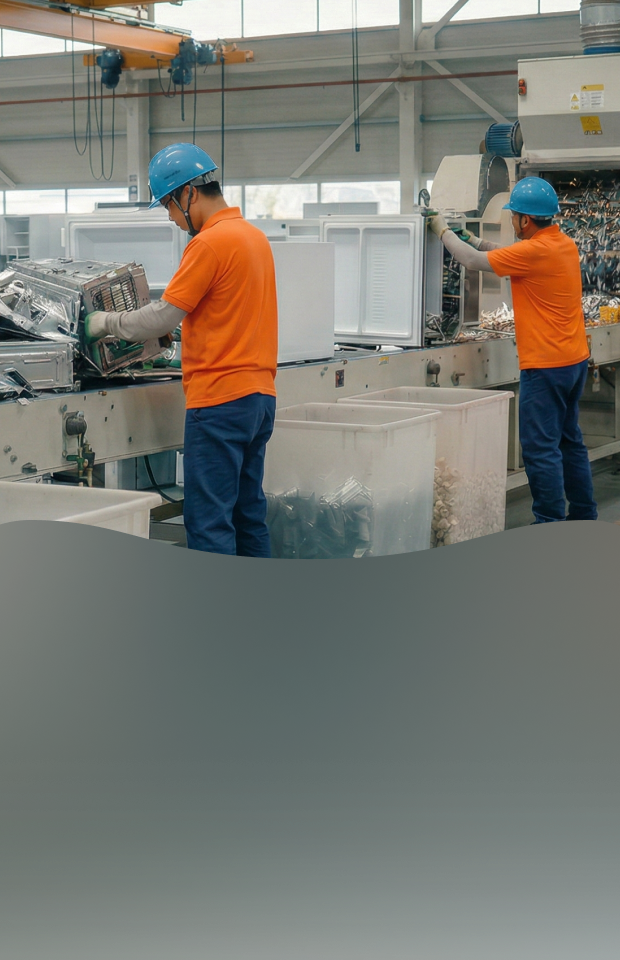
* This image was generated by AI.
We try to develop products and services with environmental responsibility in mind.
Green Product Strategy
LG Electronics establishes its Green Product Strategy by focusing on three core elements: Human, Energy, and Resources. We are committed to minimizing environmental impact across the entire product lifecycle, spanning from raw material extraction and manufacturing to distribution, use, and final recycling.
Resource
- Reduce product volume and weight
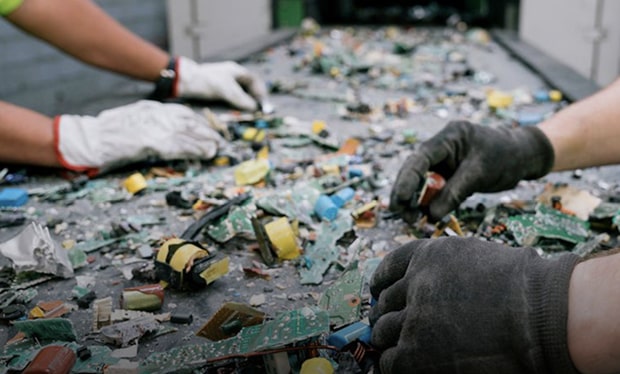
- Use recycled materials
- Increase the use of recyclable materials
- Design for easy disassembly
Human
- Reduce the use of heavy metals
- Reduce the use of hazardous chemical substances
- Minimize product noise and vibration
- Minimizing negative environmental impacts in living environment
Energy
- Reduce power consumption
- Reduce standby power
- Use renewable energy
- Reduce CO₂ emissions throughout product life cycle
Eco Innovation Driven by Technology
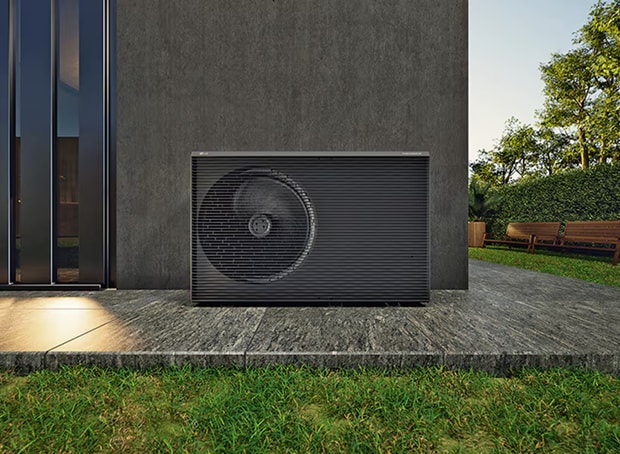
LG Electronics continuously develops innovative technologies to minimize environmental impact across the entire product lifecycle. Through next-generation solutions—such as heat pump technology, high-efficiency motors, ThinQ home energy solution, and functional glass powder—we maximize energy efficiency and minimize carbon emissions. By reducing our environmental footprint, we empower consumers to lead a more sustainable lifestyle.
-
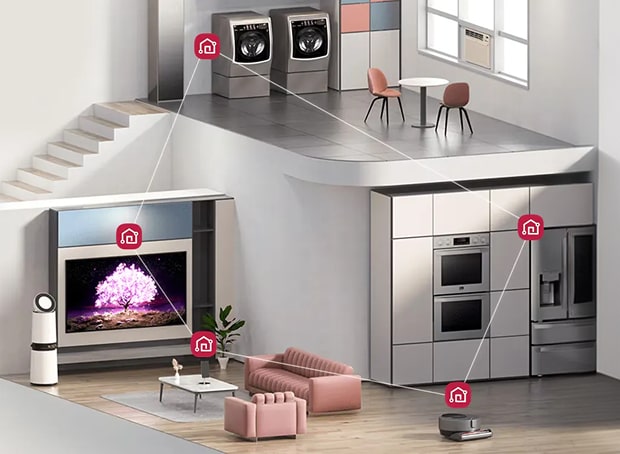
For smart control and efficient energy managementThinQ - Home energy management solution
-
Towards zero ozone layer depletion and carbon reductionEvolution of high-efficiency heat pump technology
-
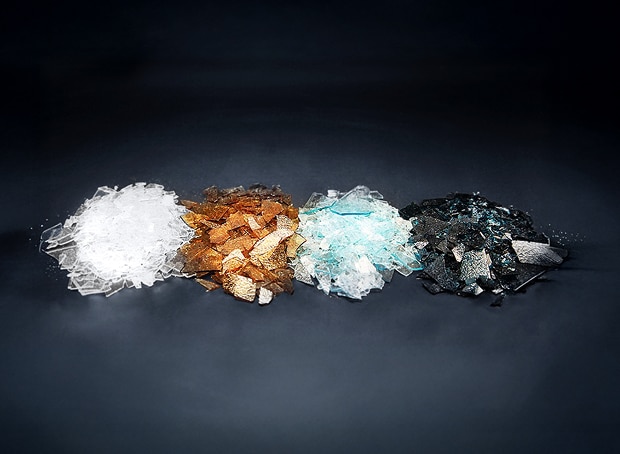
Empowering a better futureLG Advanced Materials
-
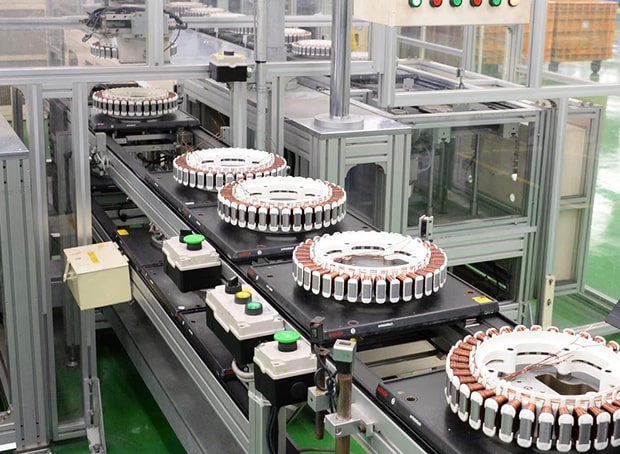
For performance, reliability, and energy efficiencyInnovative Motor & Compressor Technology
Product life cycle management
- We analyze the environmental impacts occurring throughout the entire product lifecycle (from raw material extraction to disposal) for key products using the 'Life Cycle Assessment (LCA)' methodology.
- Through collaboration with in-house or third-party specialized agencies, we assess environmental impacts such as a product's global warming potential and product carbon footprint (PCF), establish and implement improvement measures, obtain certifications, and disclose information (via our website or sustainability reports).
LCA background
-
1995
Introduction of Life Cycle Assessment (LCA) in LGE
-
2002
LCAs for major product categories and third-party validation (TVs, refrigerators, washing machines, air conditioners, monitors, etc.)
-
2009
Carbon emissions calculated and disclosed for major product categories
-
2011
Established a life cycle inventory database and third-party validation
-
2016
Mandatory life cycle assessment during the development phase of major product categories, Development of a simplified LCA tool
-
2018
Improved the functionality of the simplified LCA tool (expanded evaluation across 13 impact categories, including global warming)
-
2018 - present
Conducted LCAs for major product categories (TVs, refrigerators, washing machines, air conditioners, monitors, etc.) and obtained eco-certifications based on product LCAs (Carbon Trust, International EPD, UL certification, etc.)
PCF results
(Life cycle stage contribution: Unit %)
| Product Stage | Pre-manufacturing | Manufaturing | Transportation | Usage | End of Life |
|---|---|---|---|---|---|
|
Icon representing the refrigerator product line
Refrigerator
|
18.8 | 0.9 | 0.5 | 79.2 | 0.5 |
|
Icon representing the washing machine product line
Washing machine
|
39.0 | 0.02 | 1.0 | 59.4 | 0.6 |
|
Icon representing the air conditioner product line
Air conditioner
|
35.6 | 0.7 | 62.1 | 1.6 | |
|
Icon representing the TV product line
TV
|
41.9 | 0.1 | 0.2 | 57.1 | 0.7 |
|
Icon representing the monitor product line
Monitor
|
47.9 | 0.2 | 0.1 | 51.3 | 0.6 |
Eco-Index evaluation
- Developed the LG Electronics' proprietary product environmental performance evaluation index (Eco-Index) in 2011.
- The Eco-Index quantifies the level of eco-design by assessing product environmental performance and classifies each product and model into three grades — 'Green 1 Star', '2 Star' and '3 Star' — based on eco-conscious level.
- Operates and manages the Eco-Index standards by analyzing and reflecting environmental changes in product development.
- Expands the proportion of 'Green 3 Star' products, representing the highest level of eco-friendly performance under the Eco-Index criteria.
| Category Grade | Green 1 Star | Green 2 Star | Green 3 Star |
|---|---|---|---|
| Human | Compliance with hazardous substance regulations |
Voluntary proactive substitution of hazardous substances | |
| Energy | Compliance with energy standards |
Achievement of market-average efficiency |
Securing competitive advantage through high efficiency |
| Resource | Compliance with recycling regulations |
Design for improved resource efficiency | |
| Innovation |
Implementation of proactive initiatives for eco-conscious products (third-party certification, development of advanced technologies, etc.) |
||
Green 3 Star product development performance and goals
Goal: Achieve 80% share of Green 3 Star products based on Eco-Index by 2030.
This chart shows annual performance and targets for the share of Green 3 Star-rated products under the Eco-Index eco-conscious product evaluation framework. The share reached 53.2% in 2022, 57.6% in 2023, and 45.1% in 2024, with a target of achieving 80% by 2030.
Products with Eco-certifications
-
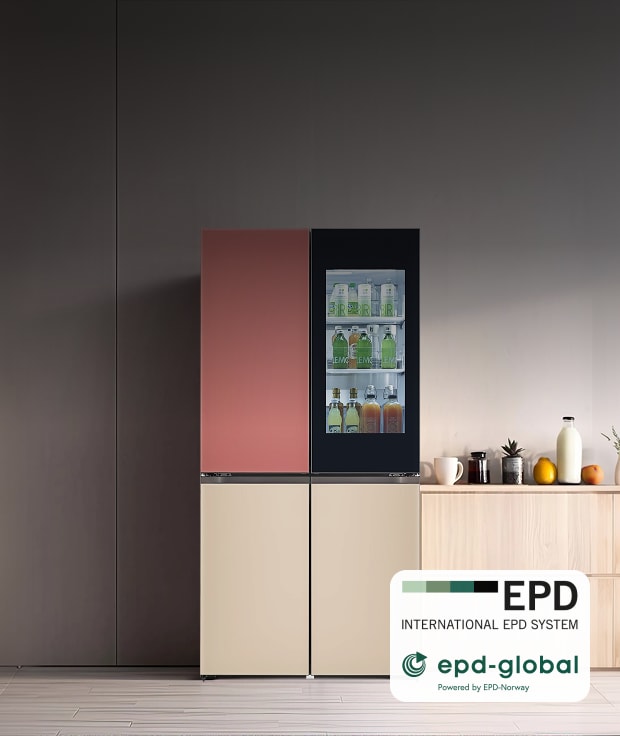
LG Object Collection Refrigerator
Earned EPD-Global & International EPD certification
* MF-B6**, F62*****B, M62******2(S)
-
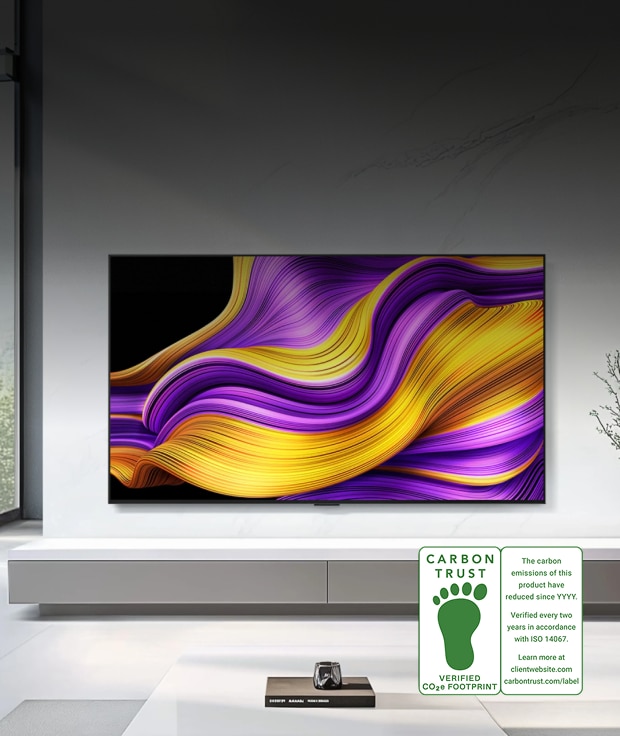
LG OLED evo TV
LG 2025 OLED Earns Carbon Trust certification
* 55 inch OLED evo TV (OLED55G5***), 65 inch OLED evo TV (OLED65G5***), 77 inch OLED evo TV (OLED77G5***), 83 inch OLED evo TV (OLED83G5***), 2025
-
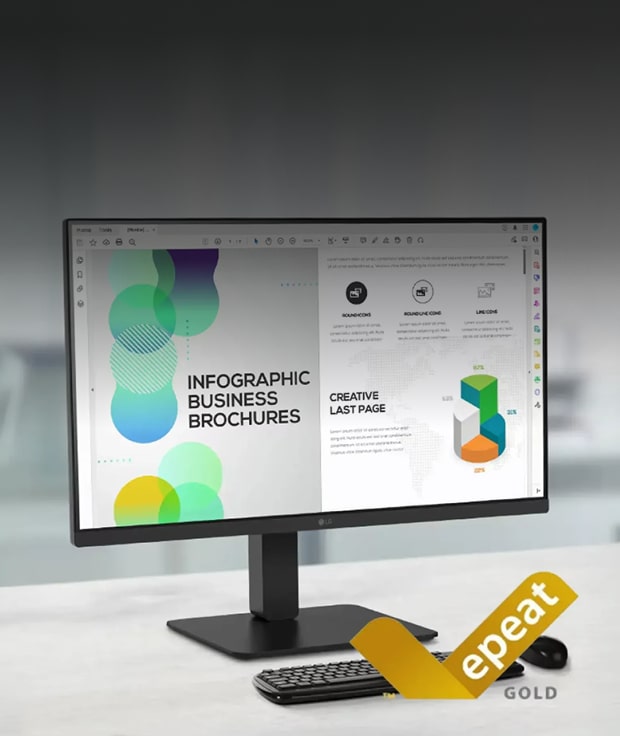
LG monitor
Earned EPEAT Gold certification (highest rating)
* LG 27BA54QB-B, LG 24BA560-B
-
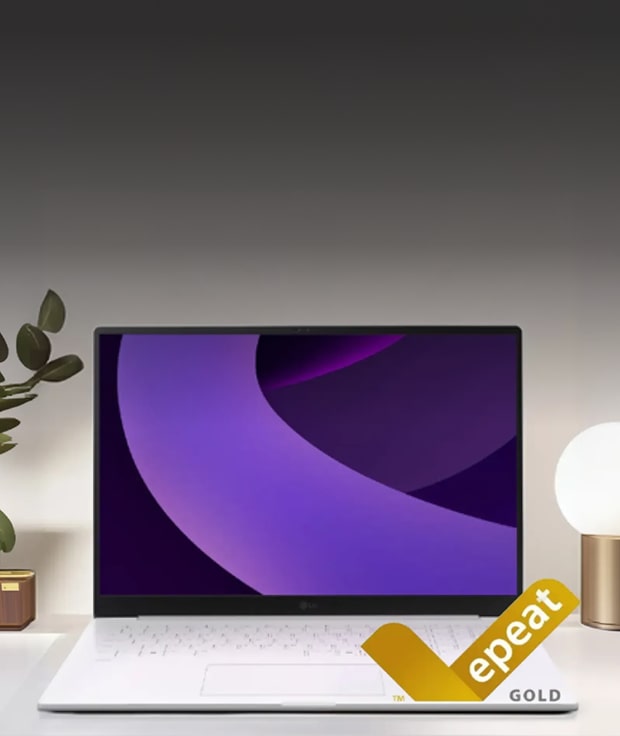
LG Gram Pro AI
Earned EPEAT Gold certification (highest rating)
* LG 17Z90TP
-
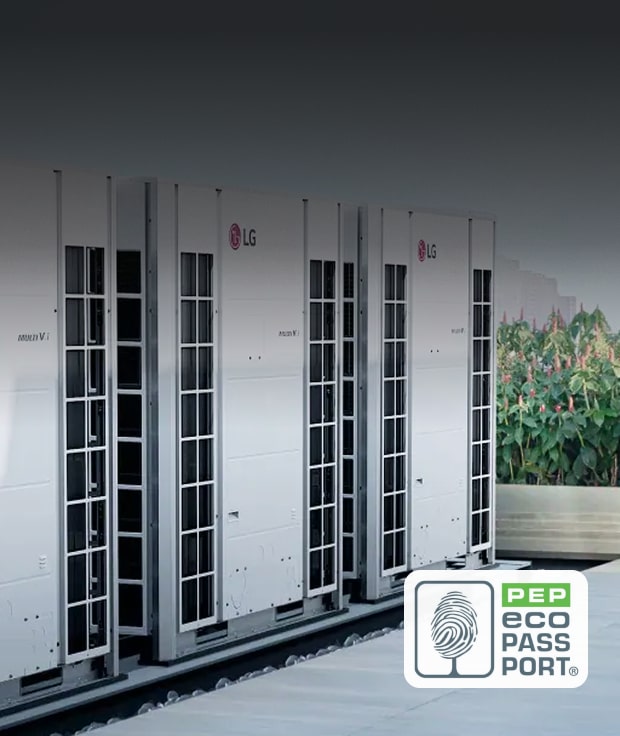
LG MULTI V
Earned PEP ecopassport® certification
* ZRUM200LTE6
-
Learn more
Product environmental declarations
LG Electronics evaluates the environmental criteria that can have an impact on the climate change, circular economy and other environmental issues during the product development stage. You can find the summary of the evaluation, environmental performance report, for the main products.
-
Learn more
PCF reports for Monitor / IT products*
Check the status of global eco-certifications and access detailed Product Carbon Footprint (PCF) Reports
* Monitors & Laptops, Projectors, Cloud devices, Medical displays
Explore more
Energy efficiency improvement
-
Establishment of Technology Road Map (TRM) by product line
Establish and implement product line-specific targets based on the “Technology Road Map (TRM)”
-
Setting energy efficiency targets by development stage
Comply with global energy regulations including ESPR (Ecodesign for Sustainable Product Regulation) & ESFR (Energy Labelling Framework Regulation), and establish internal energy-related goals and detailed strategies
-
Improving Energy Efficiency per Product
We will continuously develop high-efficiency energy technologies and apply them to our products, improving the energy efficiency of each product through AI and design innovation.
Hazardous substance management system
LG Electronics creates safe and eco-conscious products by complying with global regulations and voluntarily replacing hazardous substances.
Voluntary substitution of hazardous substances
- Compliance with international environmental regulations such as RoHS and REACH, which prohibit the use of hazardous substances (lead, mercury, cadmium, hexavalent chromium, PBB, PBDE, etc.) during the development process.
- Completely prohibiting the use of regulated substances, and developing and applying alternative technological components for toxic substances that are harmful to human health and can cause environmental pollution.
- Replacing hazardous substances such as Polyvinyl chloride (PVC) and Brominated Flame Retardants (BFRs) through safety and reliability tests.
- Continuously developing technologies and components that replace hazardous substances while maintaining product quality, and expanding their application to numerous products.
- Implementing supply chain management for information on biocides used in products.
- Managing processes to ensure that toxic substances are not used during the manufacturing process.
-
2010
Complete elimination of PVC and BFRs in all mobile phone products
-
2011
Voluntary substitution of hazardous substances such as phthalates and beryllium
-
2012
Voluntary substitution of hazardous substances including antimony trioxide Replacement of PVC in internal cables of UHD OLED TVs
-
2013
Development and application of PVC-free noise reduction parts (skirt lower) to refrigerator
-
2015
Complete removal of HBCD, a type of brominated flame retardant, from both products and packaging materials
* PBB: Polybrominated biphenyls
** PBDE: Polybrominated diphenyl ether
Key products with hazardous substance substitution
OLED/Ultra HD TV
- In 2013, PVC-free internal cables were applied.
- Mercury-free display panels have been applied.
Laptop
- Since 2013, PVC/BFRs-free laptops have been released (excluding FPCB, CARE, PCB, battery, adapter, keyboard, cables, touchpad, thermal module, cable connectors, mouse, and power cords).
Monitor
- In 2011, PVC-free LCD modules were applied.
- In 2013, BFRs-free LCD modules were applied.
- In 2019, brominated/ chlorinated flame retardants in the external plastics of standard monitors were replaced.
Home environment
LG Electronics adds anti-bacterial features to its products including washing machines, air conditioners and vacuum cleaners to improve home environment for its customers and is constantly working to reduce noise and vibration produced by products. Also, LGE obtains various labels related with allergy to verify our consideration of improving home environment.
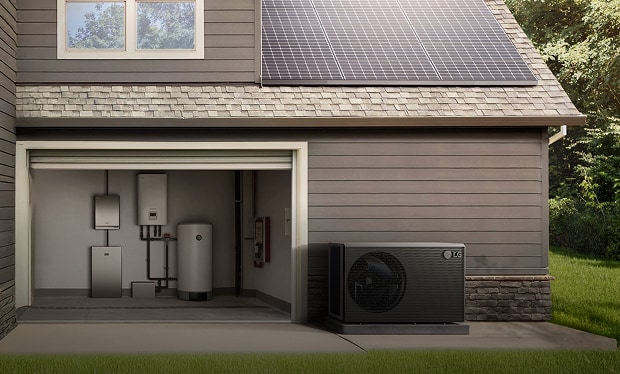
- The LG Therma V1) delivers year-round indoor comfort and, just as importantly, uses energy more efficiently than a traditional heating and cooling system. Targeting the decarbonization trend, the Therma V R290 Monobloc helps users to lower their household’s carbon footprint while extracting heat from the surrounding air by adopting R290 refrigerant, which boasts a Global Warming Potential (GWP) of just three. It is also able to produce the high temperature of water that can be produced with existing old radiators.
- Easily integrated with LG’s AWHP, the ESS (Energy Storage System) offers an innovative and convenient way to maximize the efficiency of a home’s renewable energy use, and serves as a back-up power source in the case of blackouts. Surplus energy can be stored in the ESS battery and diverted to the AWHP’s integrated water tank during the daytime, when solar energy production is at its peak. In the evening, when energy consumption is typically high, the ESS utilizes the stored energy to provide hot water and to power home appliances, boosting energy efficiency and energy self-reliance.
- Should a power outage occur, the ESS can help to keep essential elements, such as heating, refrigeration and lighting, up and running. The energy surplus is stored in the ESS for later use, or sold to a contracted electricity provider.
- In addition to the Therma V, the ESS is able to integrate with a wide range of Home Appliances, including the washer, refrigerator, oven, dishwasher and Styler, and even with the electric vehicle (EV) charger.
1) Air-to-Water Heat Pump (AWHP) that uses thermal energy extracted from outdoor air to provide space heating, cooling, and domestic hot water.
- LG washing machines, refrigerators and air conditioners adopting the company’s renowned Inverter technology optimize electricity consumption by delivering highly-efficient operations.
- The inverter DD (Direct Drive) motor, a key component of our washing machines, directly connects the motor and the washing tub to reduce noise and energy consumption dramatically. The simplified product structure has reduced manufacturing steps and increased durability, making it a key part of premium laundry appliances. The fourth-generation DD motor has further increased energy efficiency by changing the material of the coil wound around the motor to an electrical steel sheet material.
- Our refrigerators and air conditioners use Inverter technology to reduce power loss. LG’s world-class inverter technology regulates the speed and revolution of motors and compressors depending on the situation to optimize operation. We will continue to create highly efficient core components that boost the performance and reliability of our products while also reducing carbon emissions during operation.
-
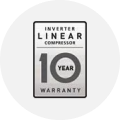
Recyclability improvement 10-year warranty on the linear compressor
The compressor in a refrigerator accounts about 80% of the energy consumption. LG Electronics confidently backs the motor with a 10-year limited warranty. LGE's unique linear compressor technology has fewer moving parts, which creates less friction and saves more energy.
-
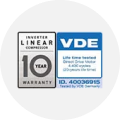
10-year warranty and 20-year life span on the Direct Drive motor
LG Electronics’ innovative Direct Drive motor does away with the traditional belt and pulley system and offers a single, quiet mechanism attached to the drum itself and uses fewer moving parts and operates more efficiently, LGE confidently backs the motor with a 10-year warranty.
Also, the DD Motor has been certified by “VDE (Verband Deutscher Elektrotechniker)” - German Association of Electrical Engineers- as a product with a life span of 20 years, the longest yet to be certified by the VDE. The VDE has officially certified that LGE’s drum washing machine is capable of a total of 4,400 loads of laundry for 20 years (based on 4.2 loads a week and 220 loads a year).
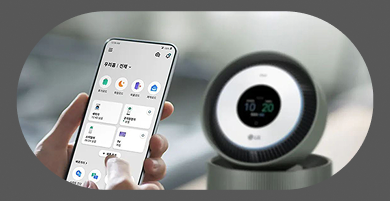
The Home Energy Platform is compatible with LG ThinQ Energy, an intuitive-to-use energy management solution, enabling users to control all of their smart appliances, manage the HVAC system, and monitor energy storage and consumption, from almost any location with their smartphones. Additionally, appliances with the Energy Saving Mode, which can be easily accessed via the ThinQ app, further help in using energy efficiently.*
* Tested by LG internal lab. Based on the assumption that running twenty drying cycles a month, the amount of energy used for drying 3kg load using Cotton+ cycle under Energy EcoHybrid™ (183kWh) with a dryer model RH80V9AVHN saves up to 77kWh per year, compared to using Cotton+ Cycle under Time EcoHybrid (260kWh).
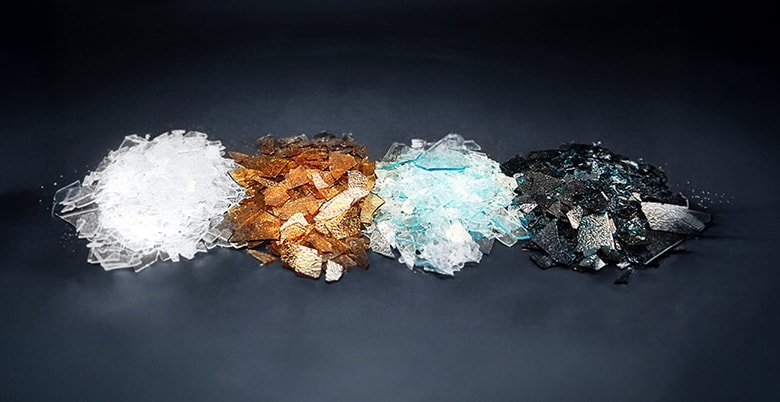
The functional glass materials from LG Advanced Materials provide sustainable value to humanity and the environment.
LG PuroTec™
Antimicrobial additive
Protecting product
The glass-based antimicrobial functional material is designed to inhibit the growth of bacteria and mold when applied to products. It provides an ideal solution for products that require high levels of hygiene.
LG Mineral Wash
Laundry cleaning agent
Mineral Washing
The water-soluble glass material releases mineral ions, making it an ideal ingredient for laundry detergents that can clean effectively without the need for surfactants.
Marine Restoration Material
Blue carbon sinks creating agent
Marine ecosystem recovery agent
Recovering ocean
Our water-soluble glass material promotes the growth of seaweed and marine plants, contributing to the restoration of marine ecosystems and the enhancement of blue carbon reserves.