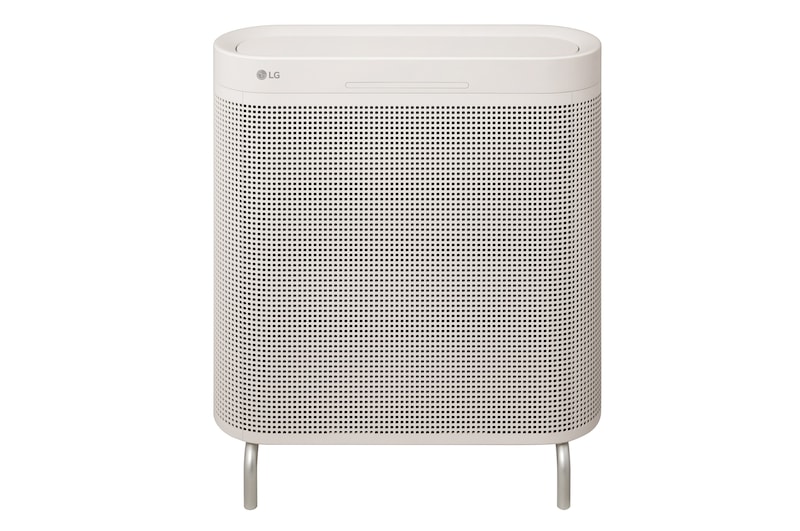
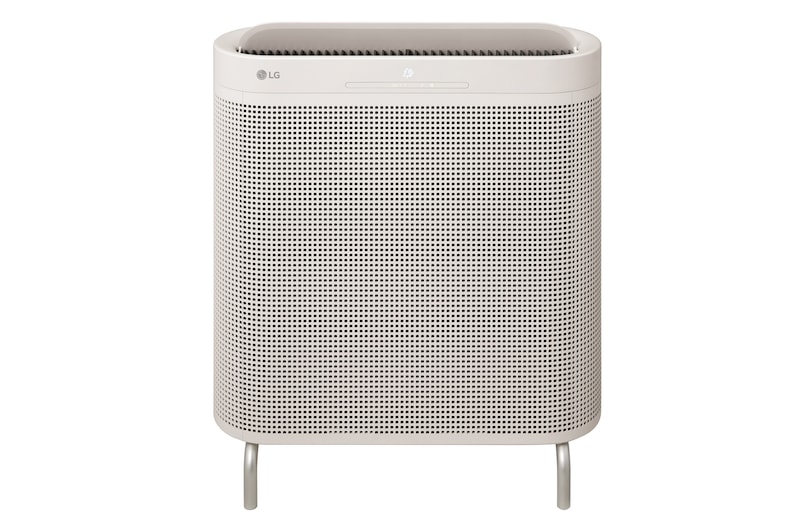
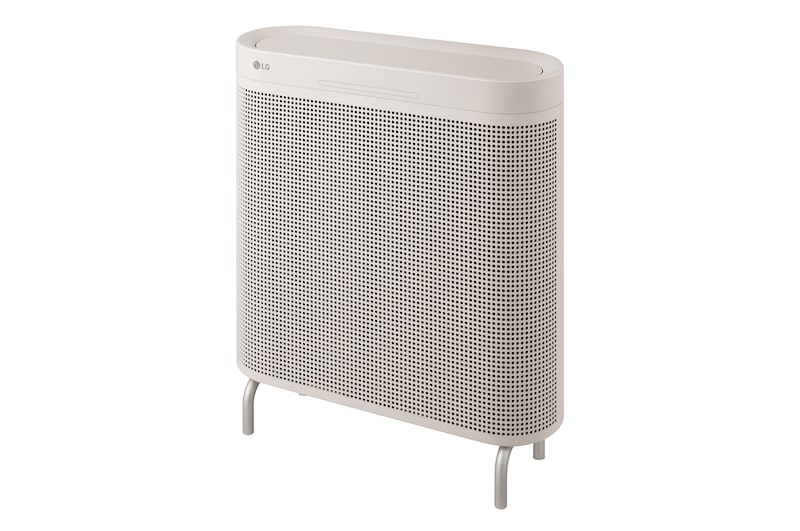
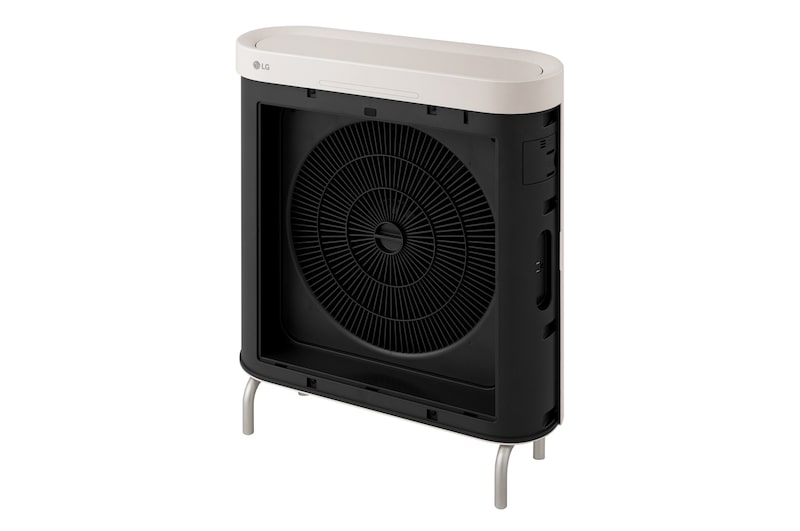
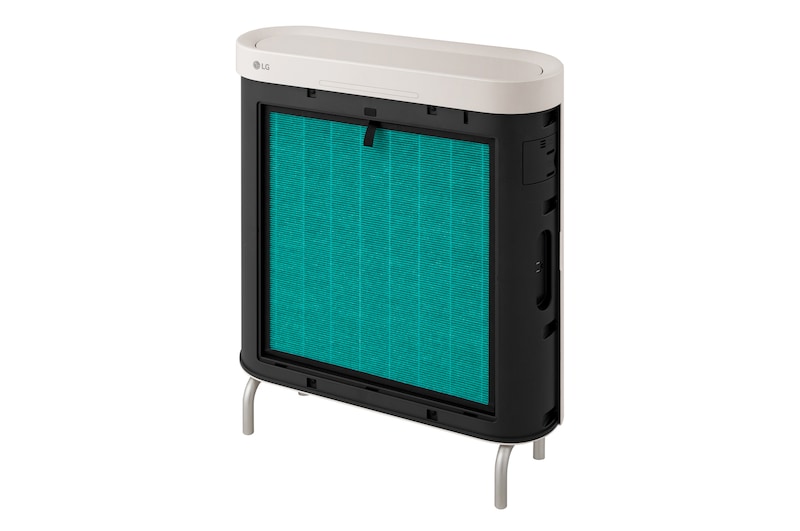
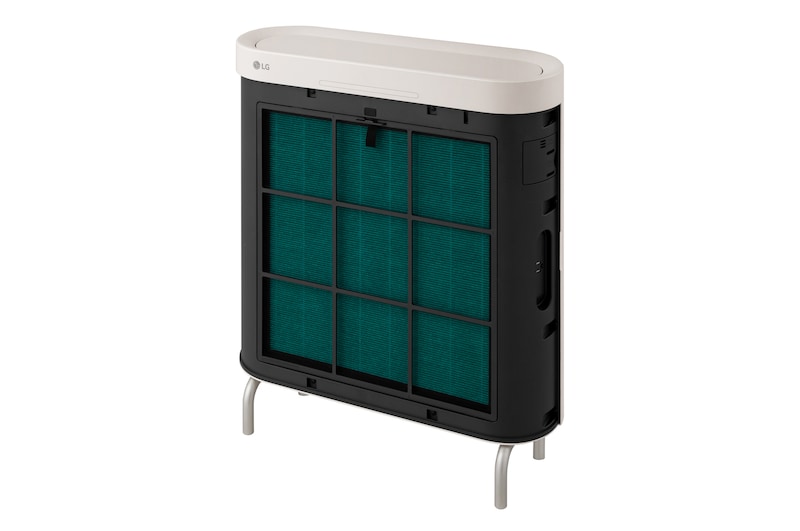
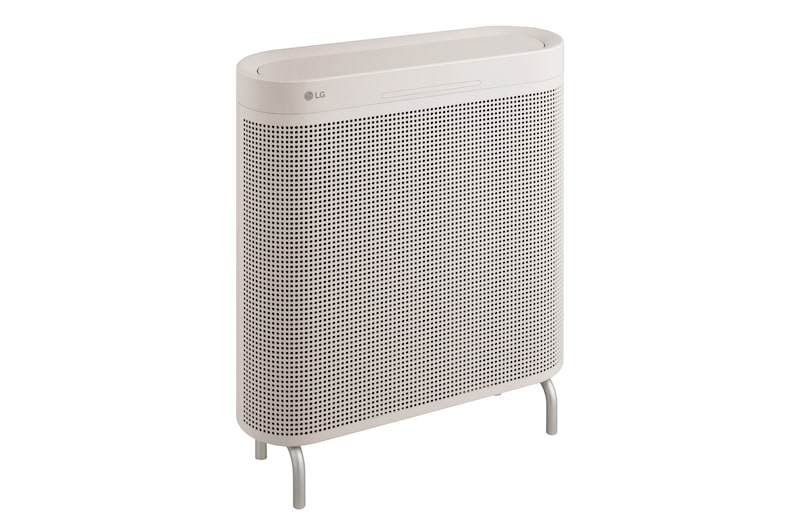
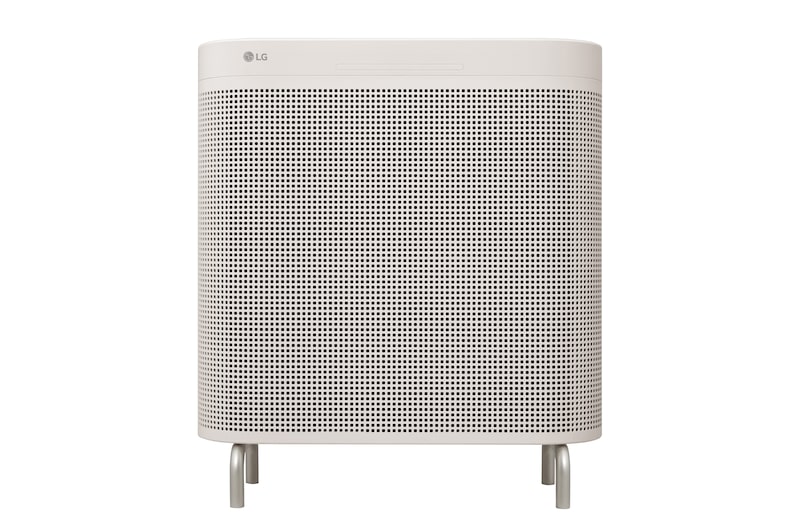
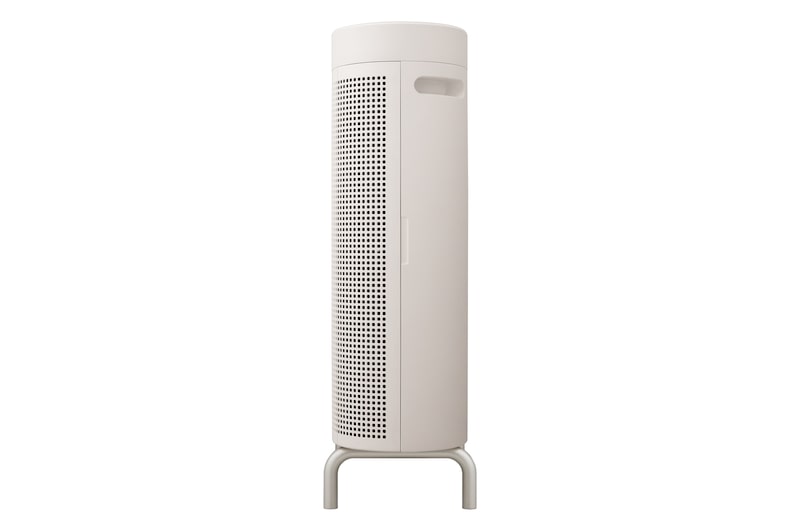
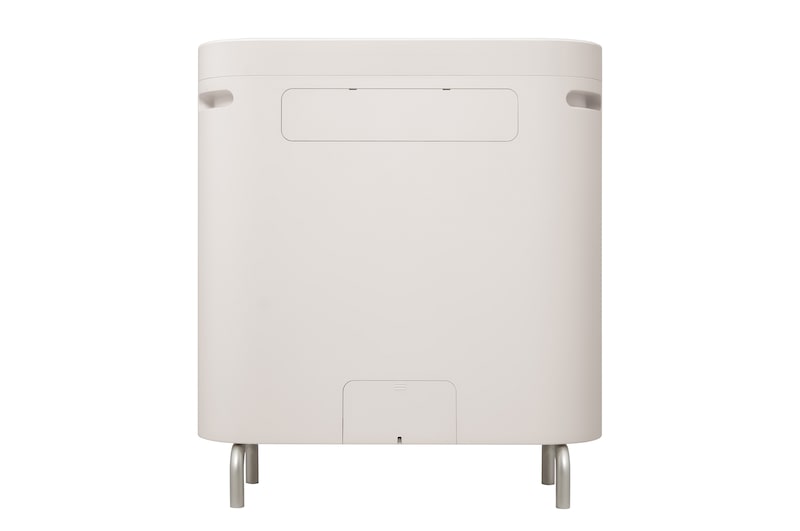
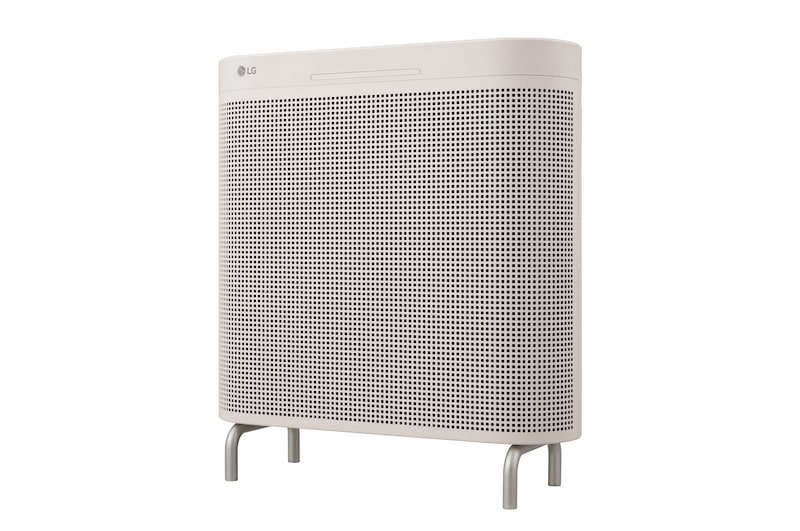
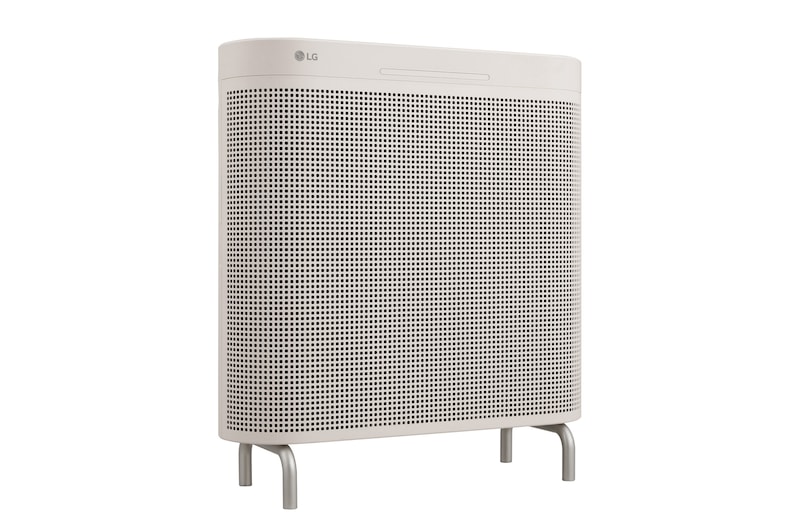
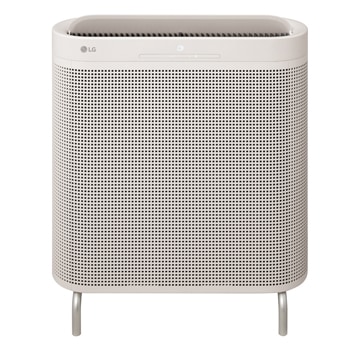
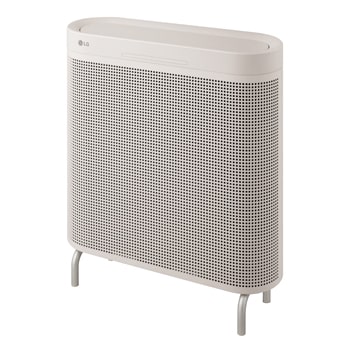
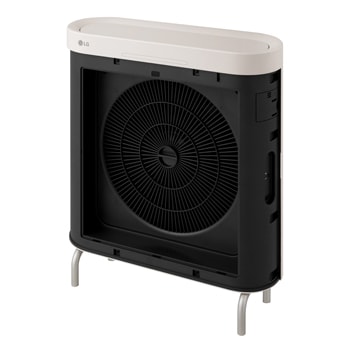
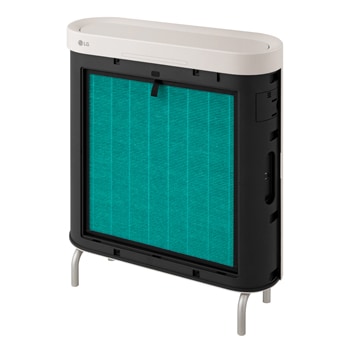
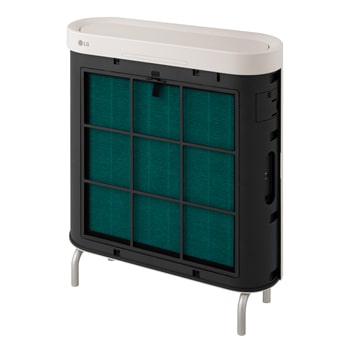
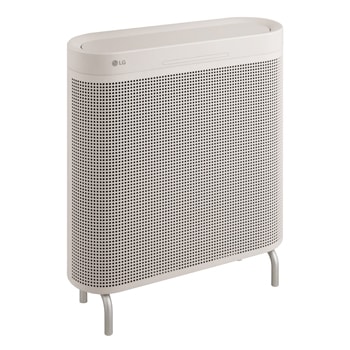
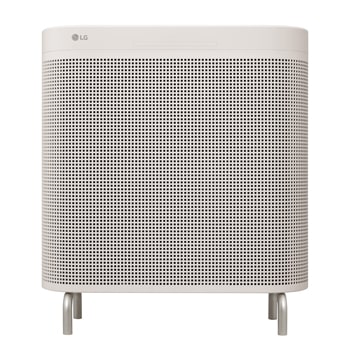
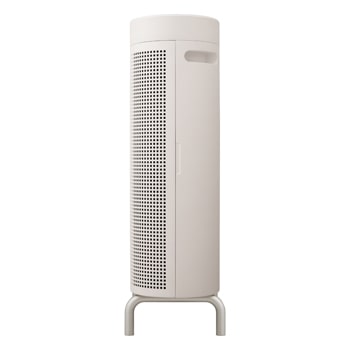
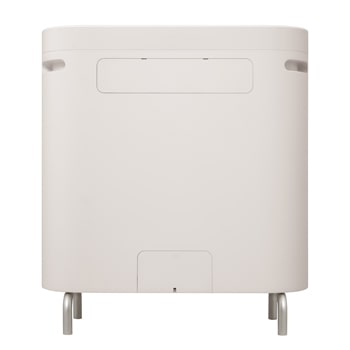
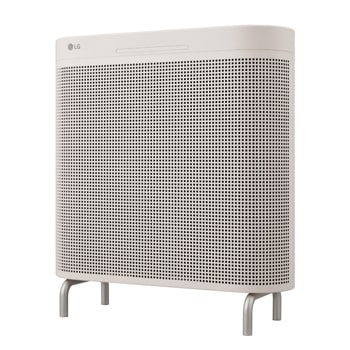
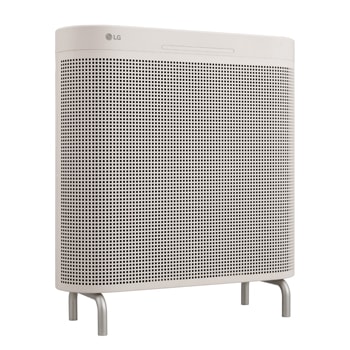
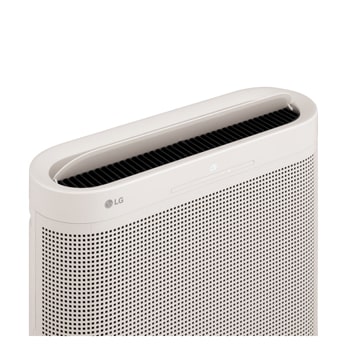
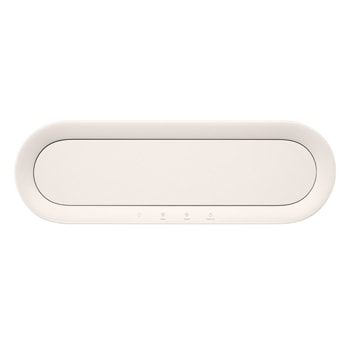
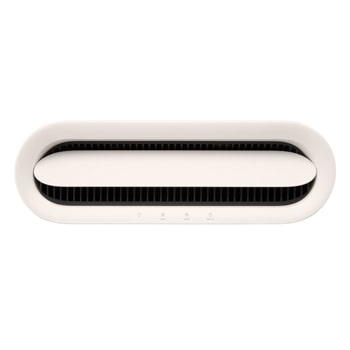
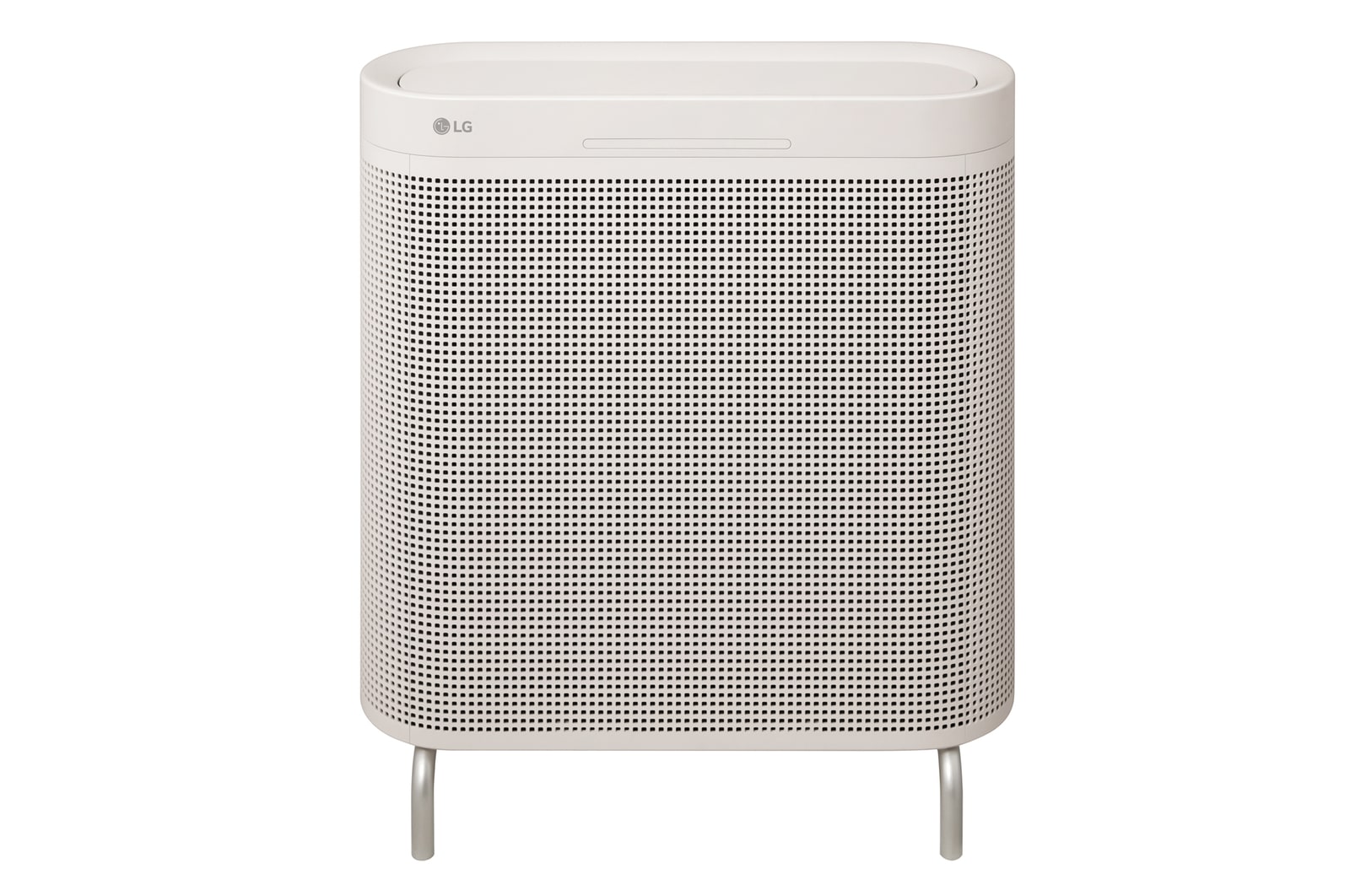
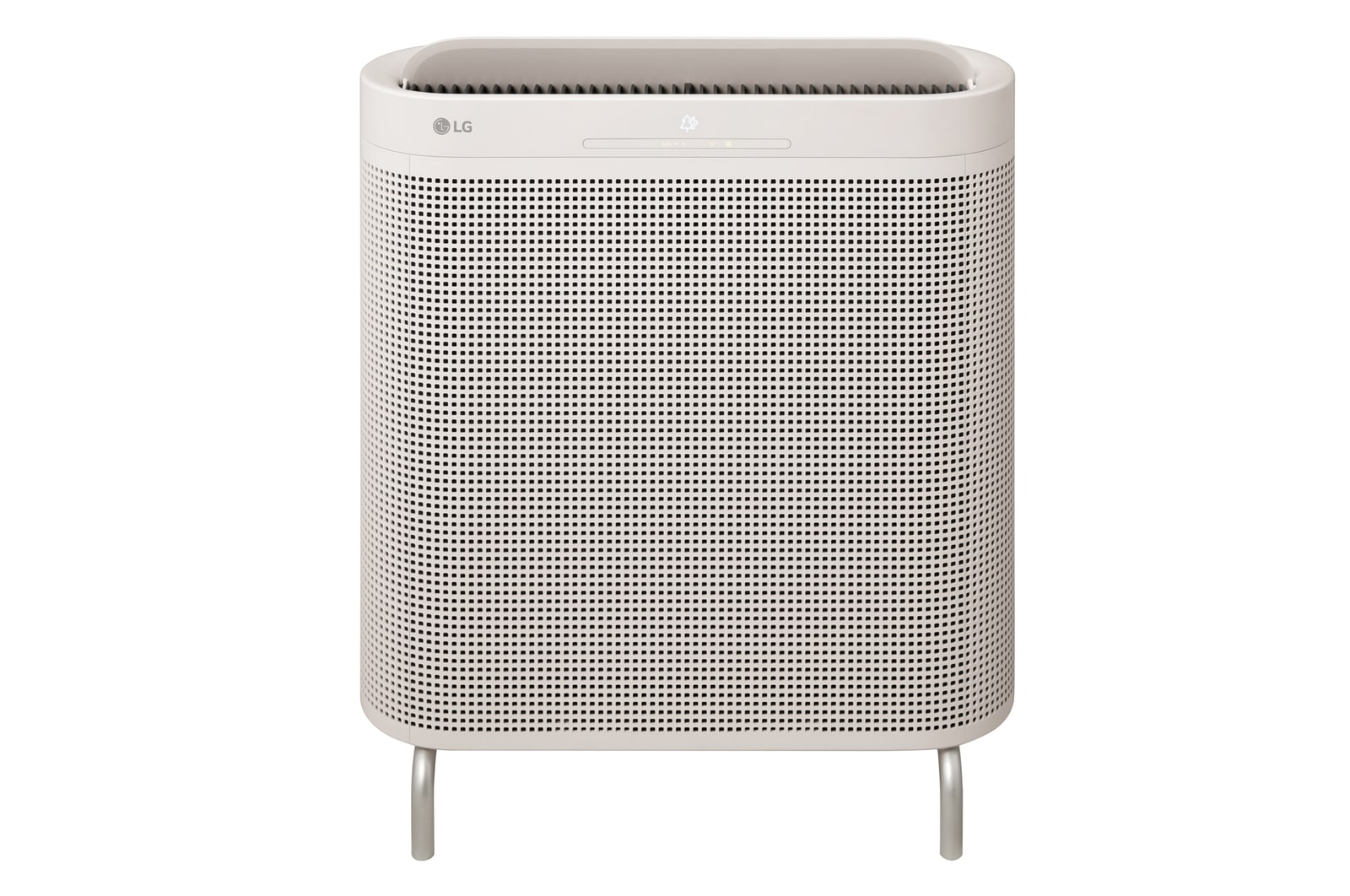
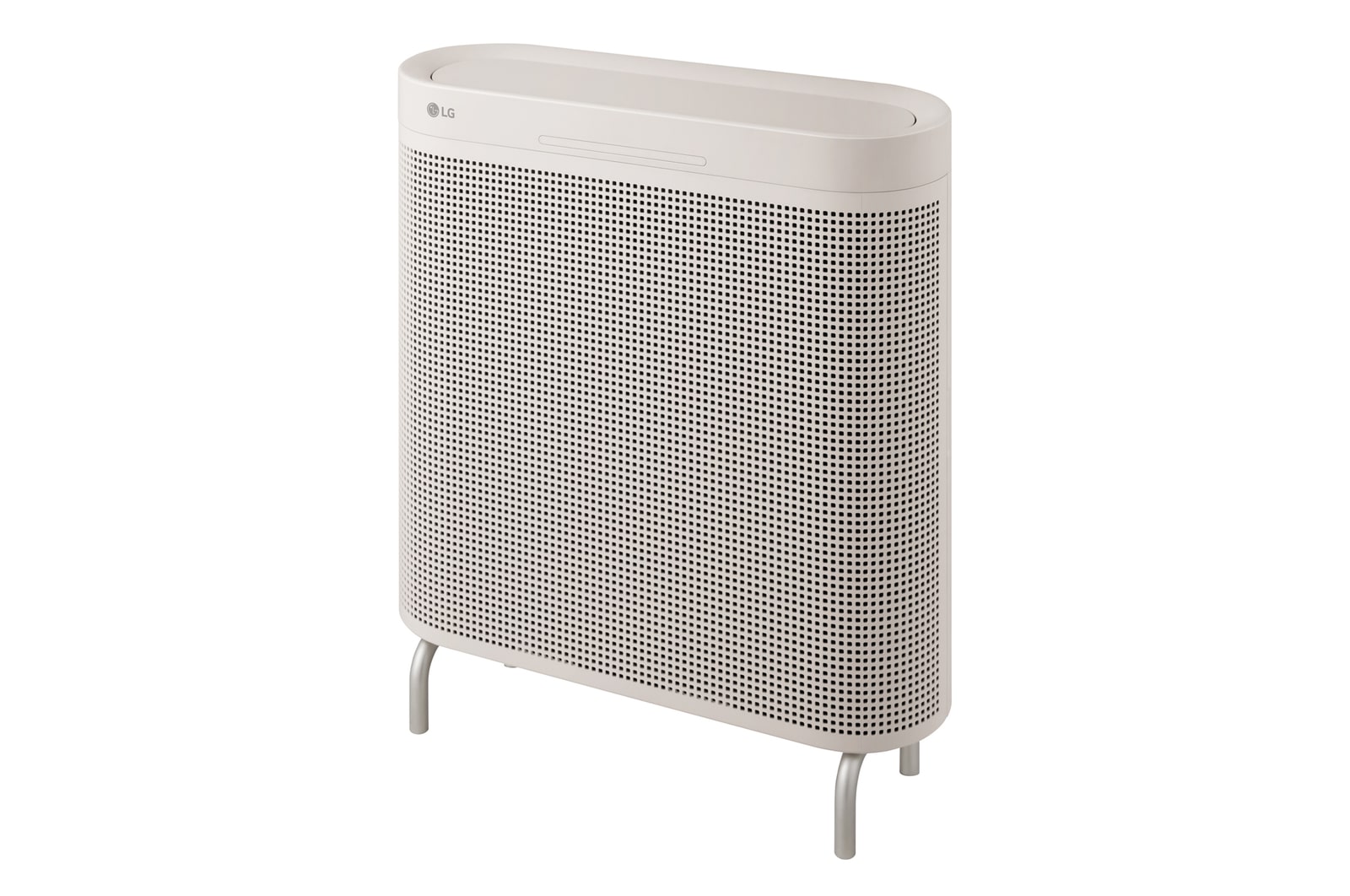
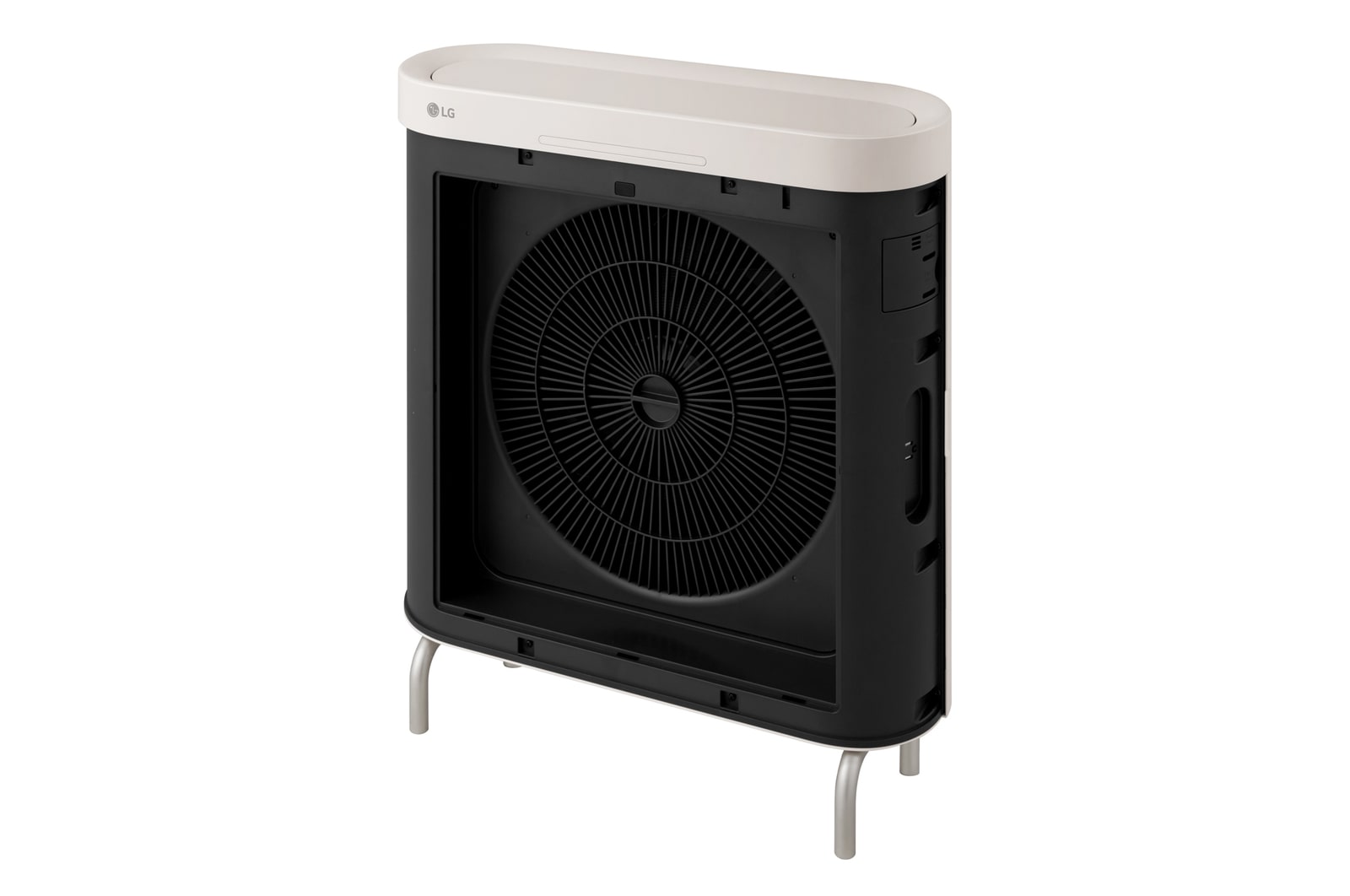
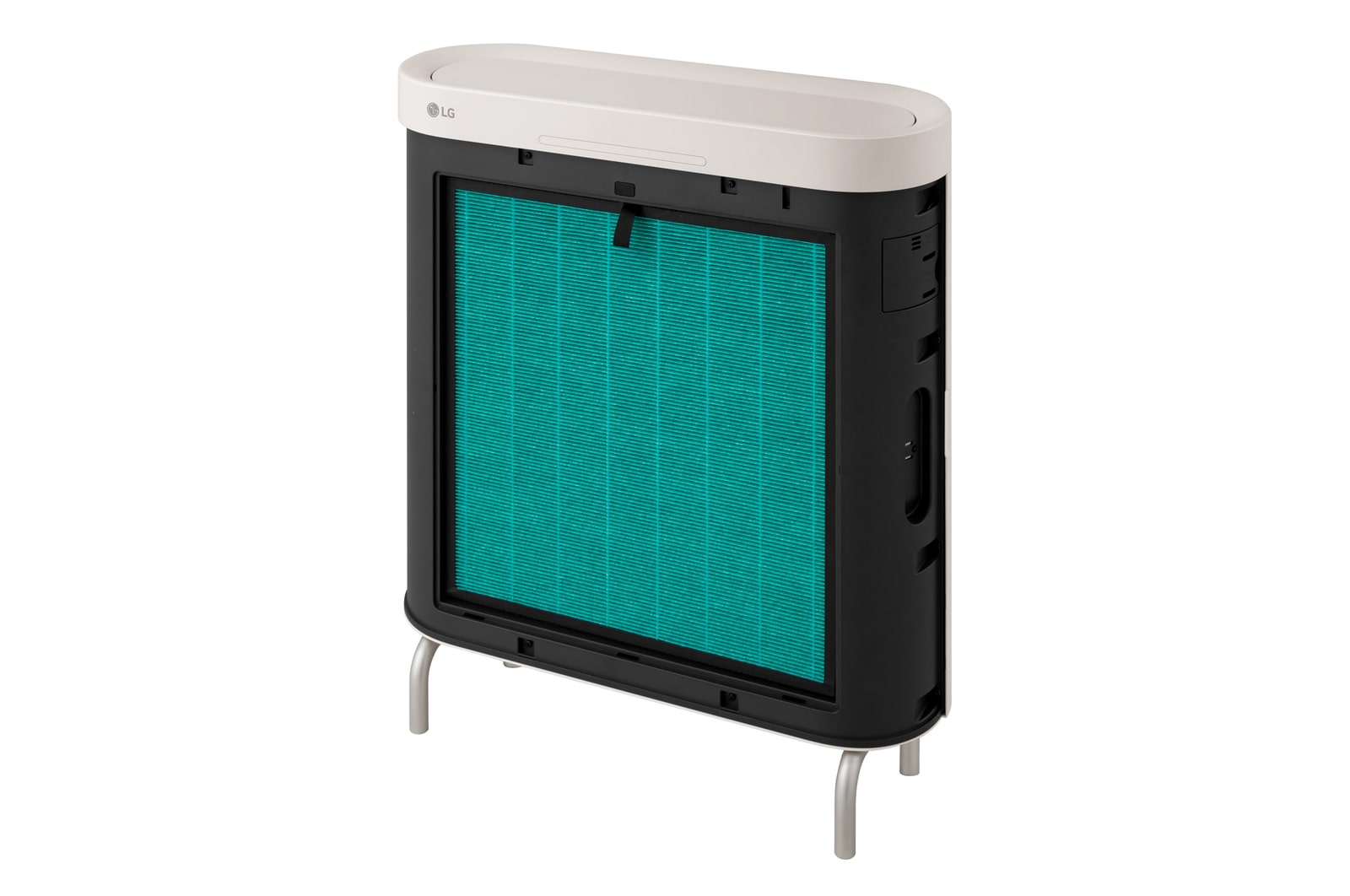
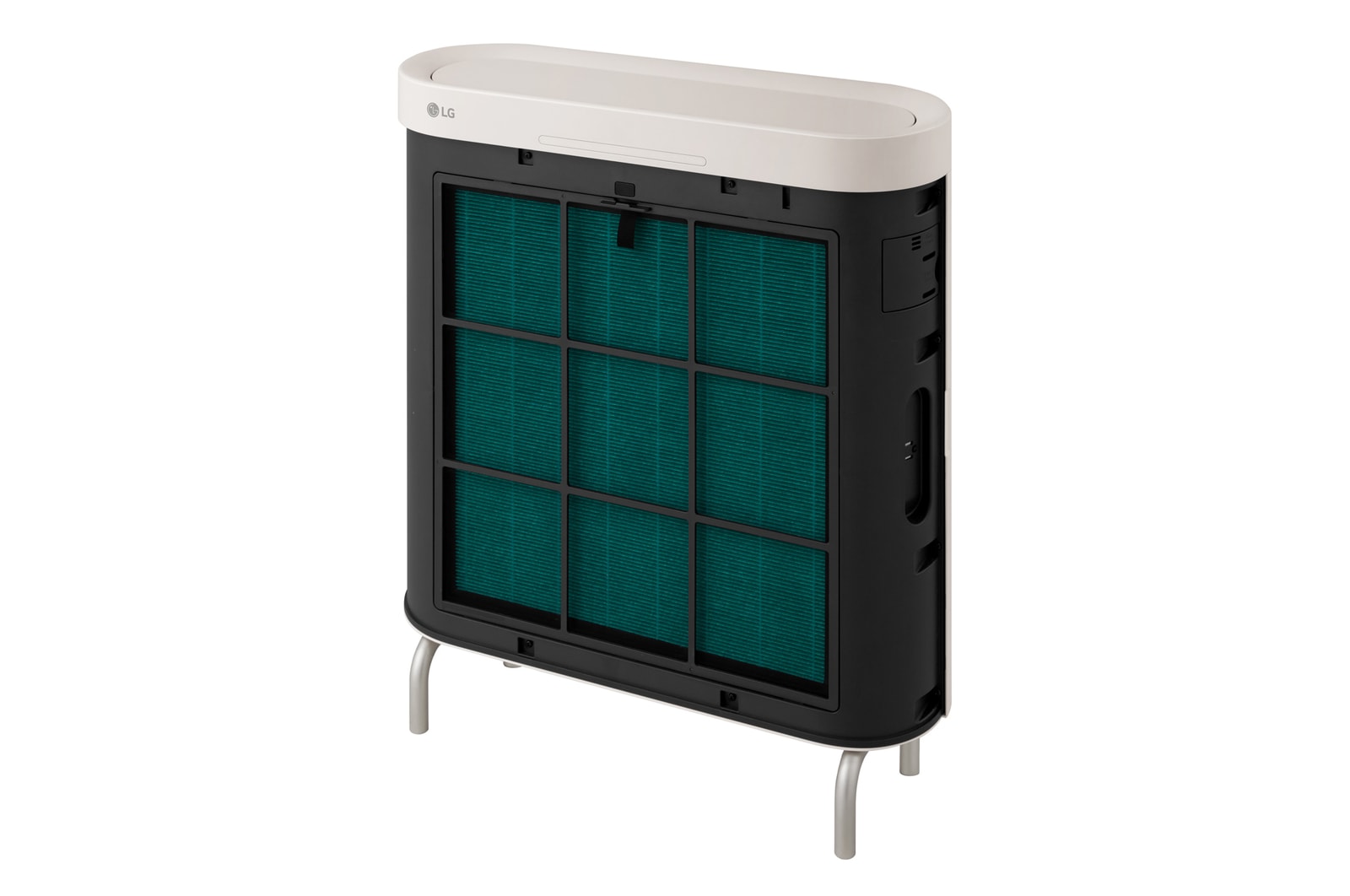
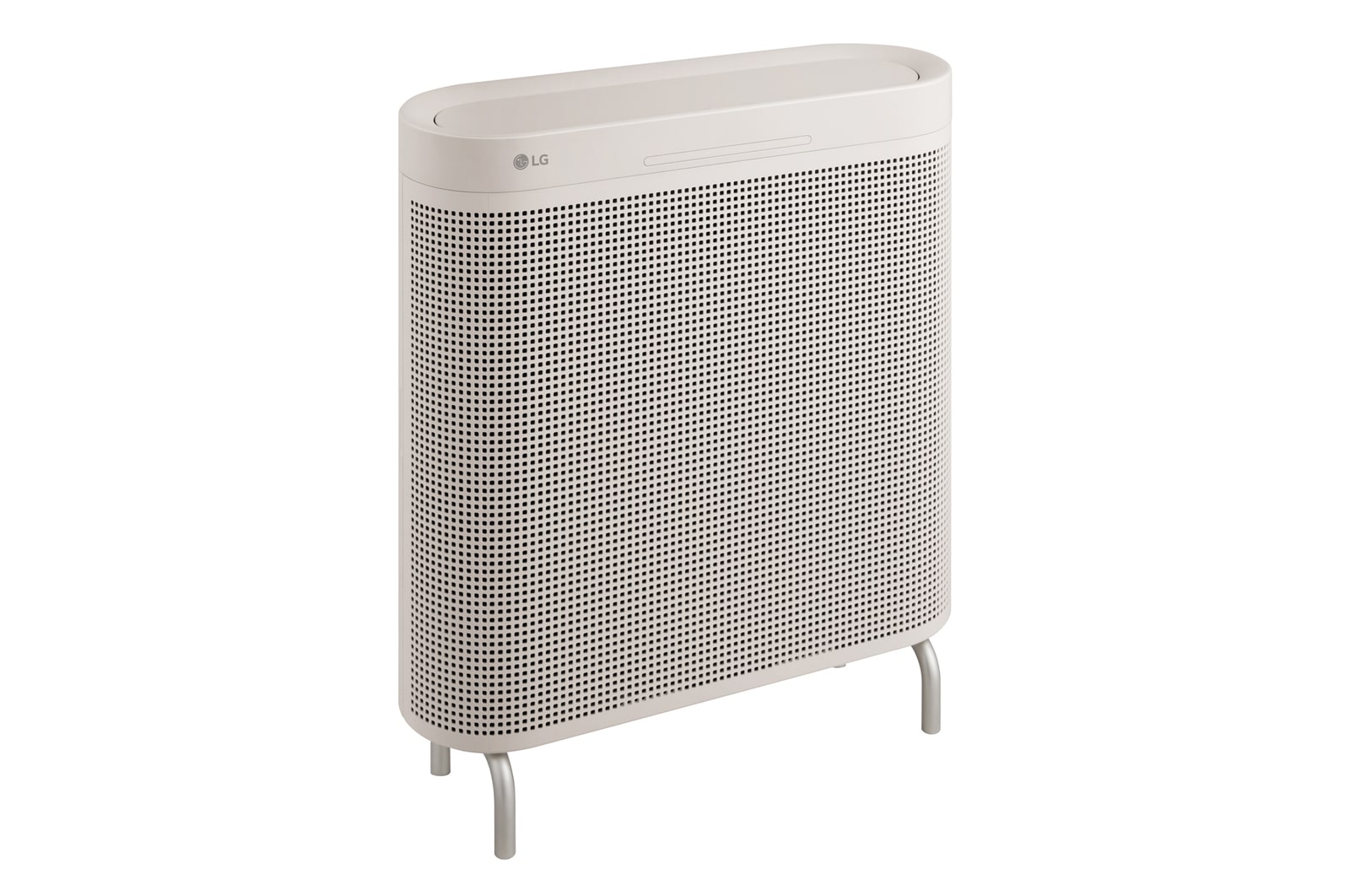
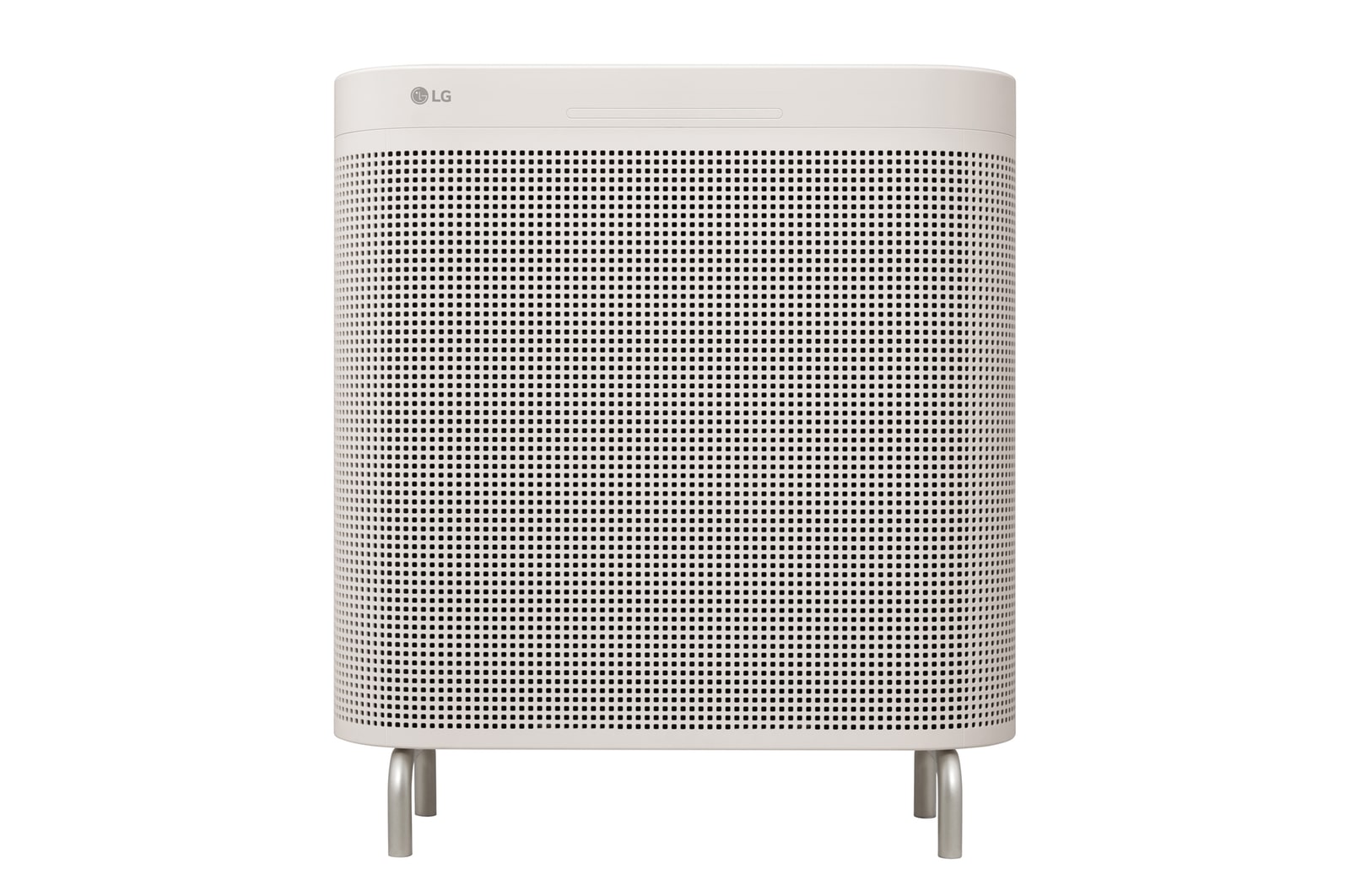
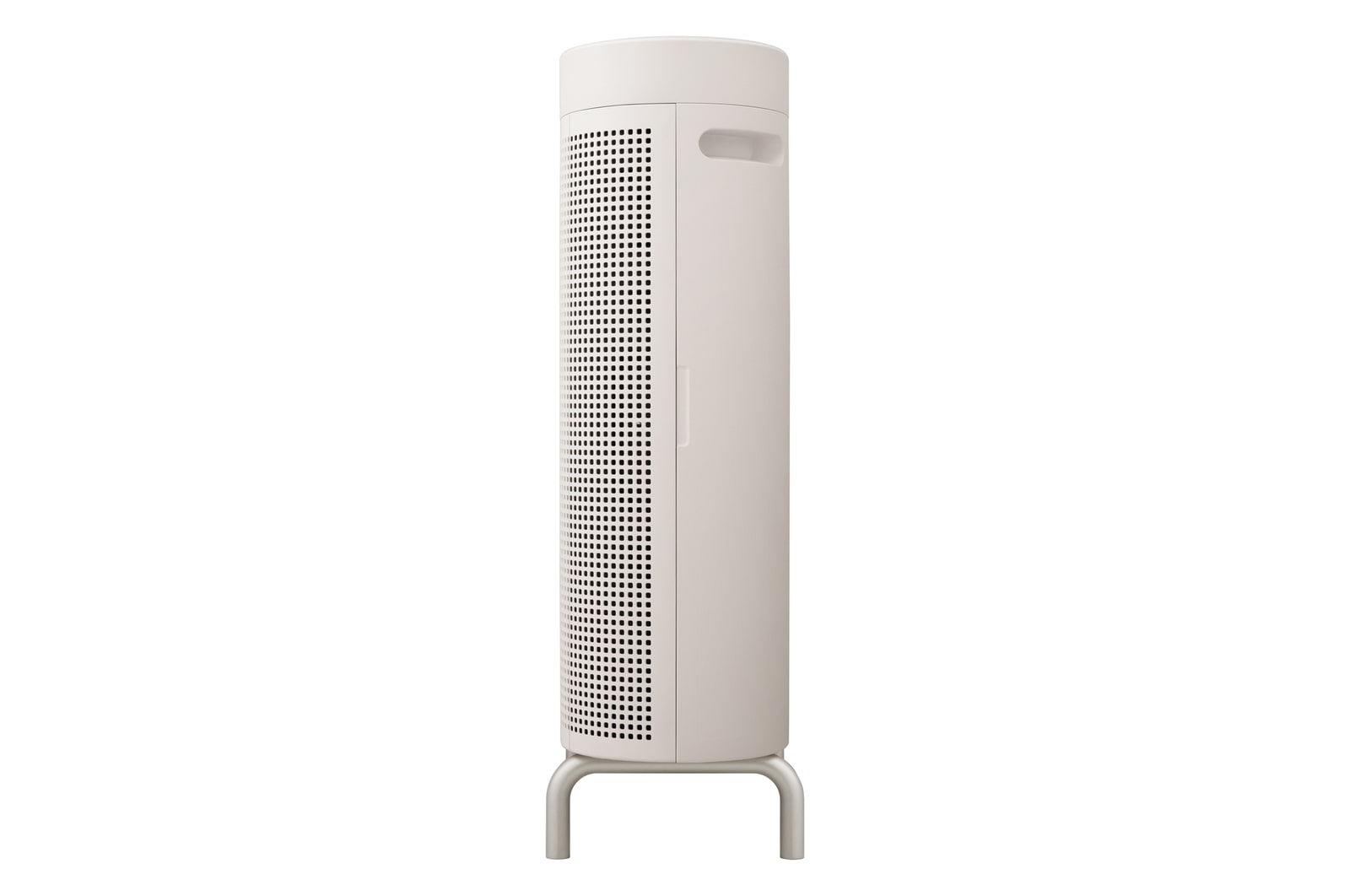
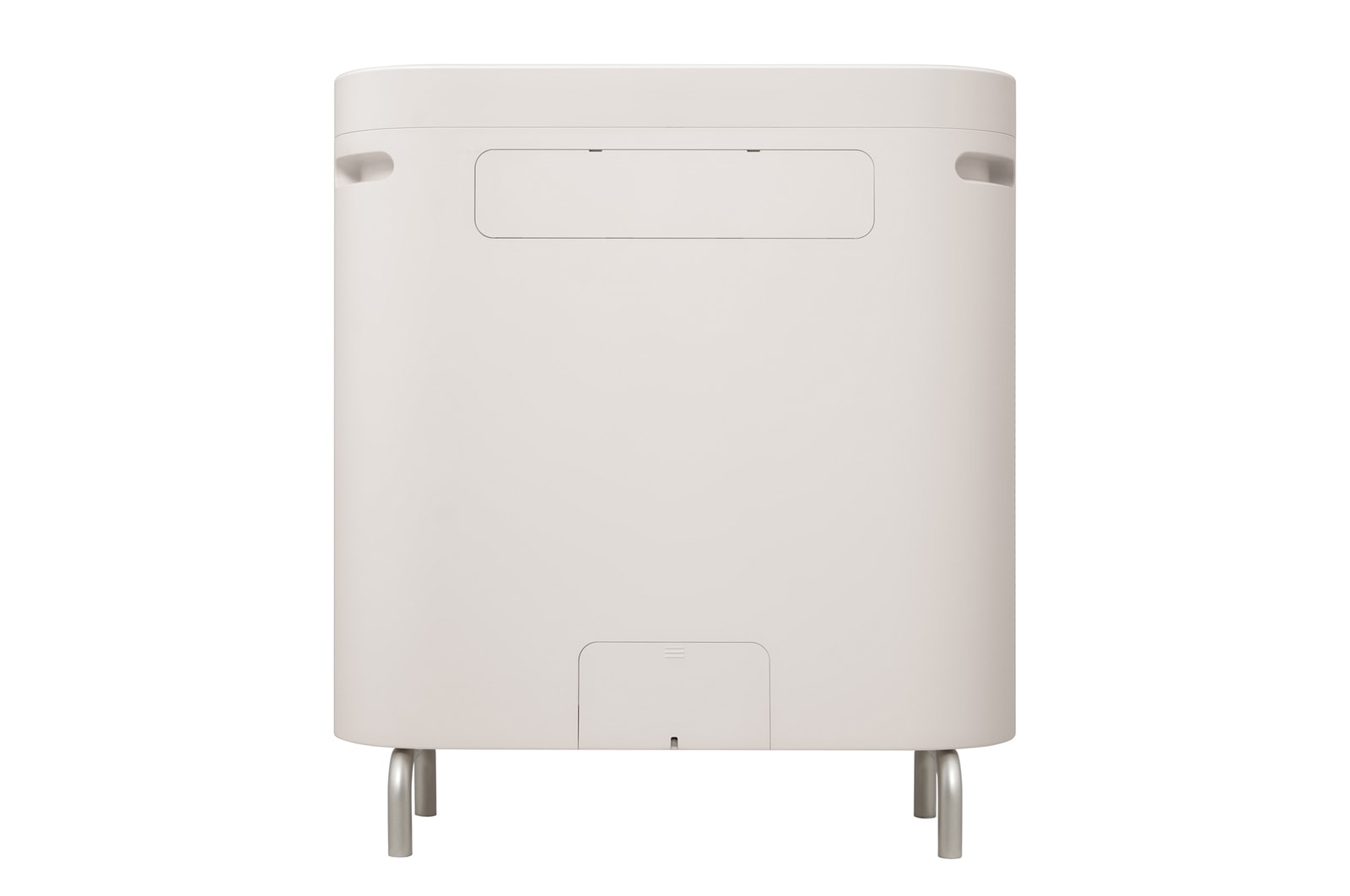
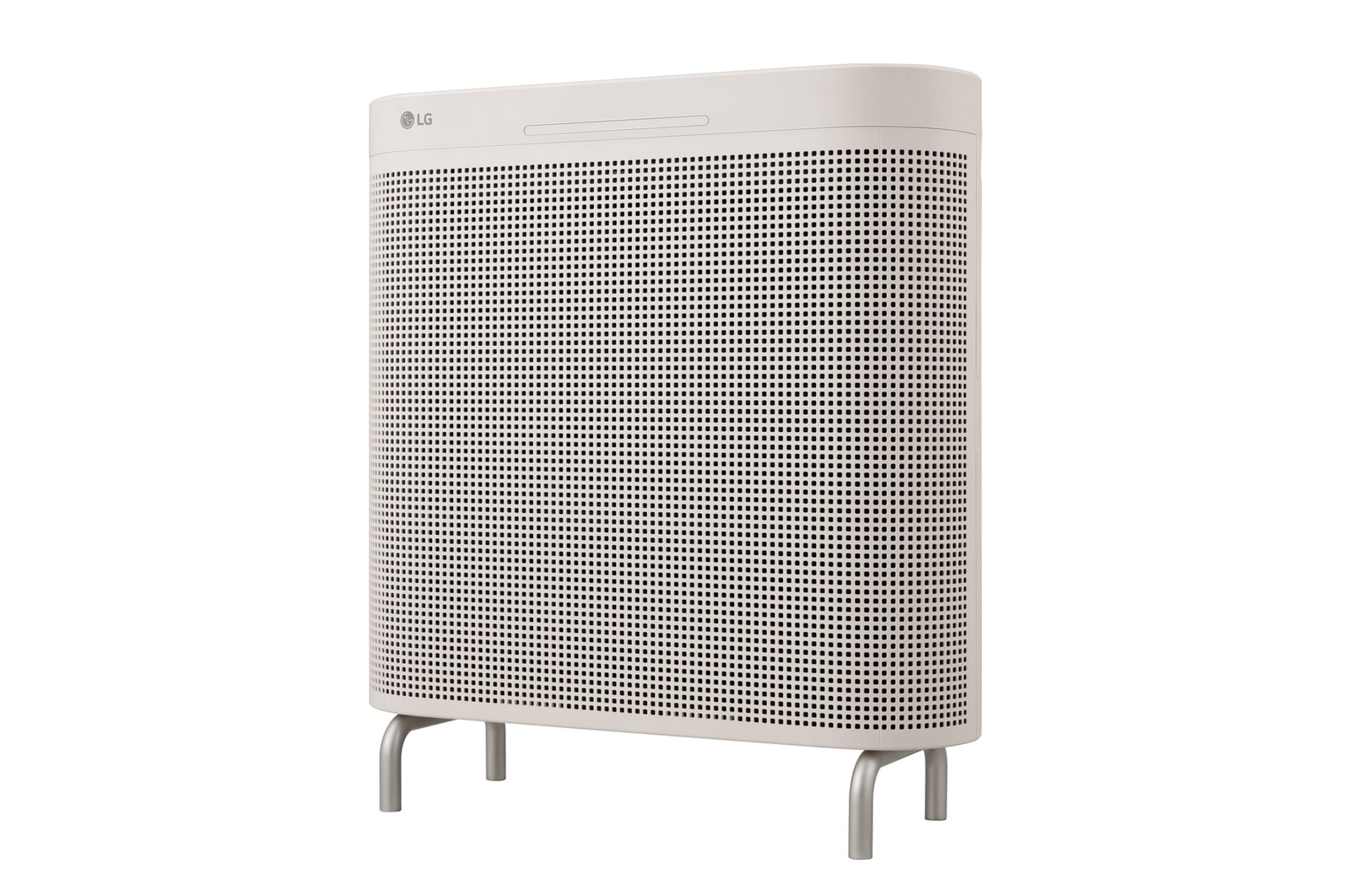
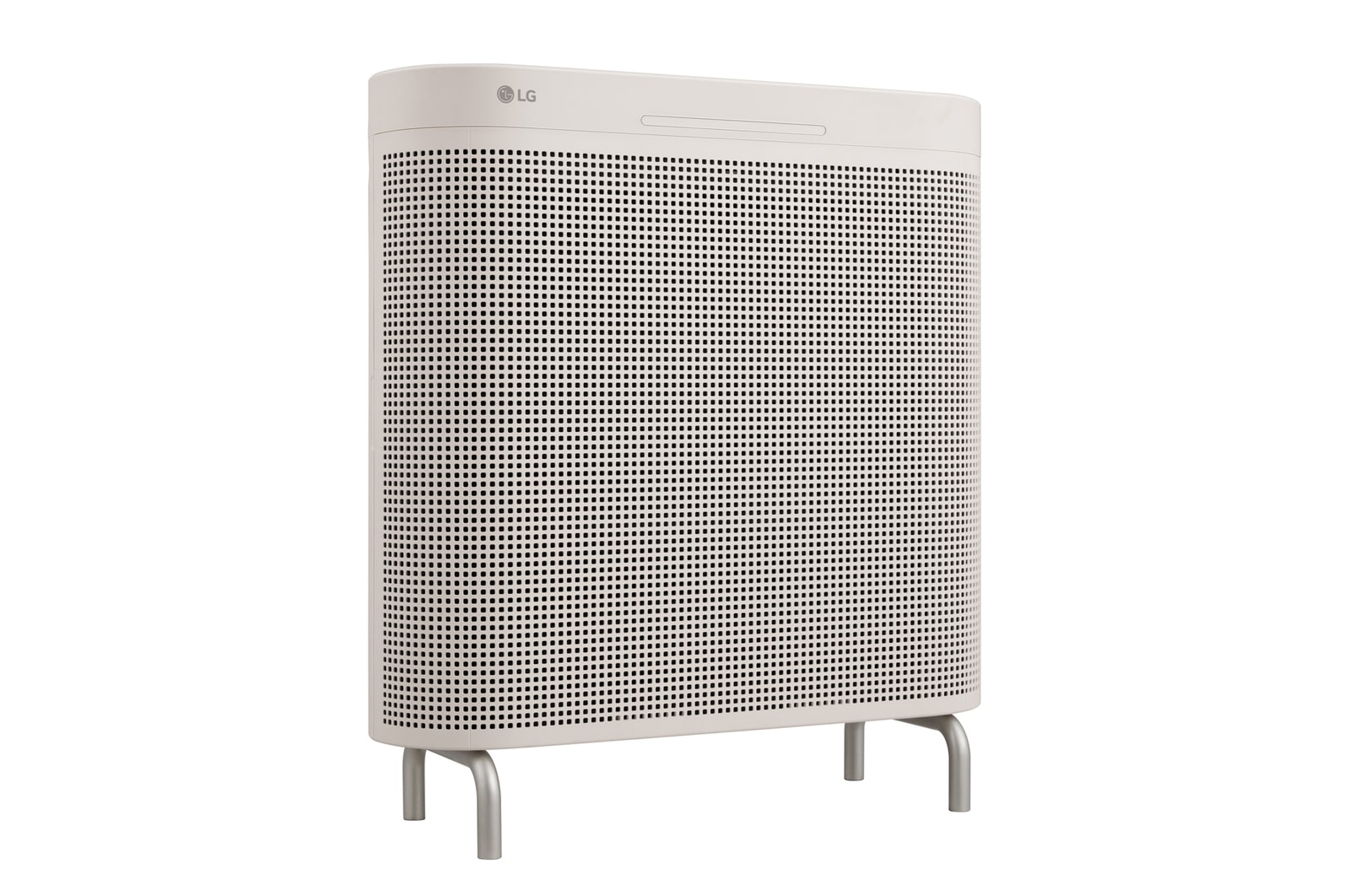
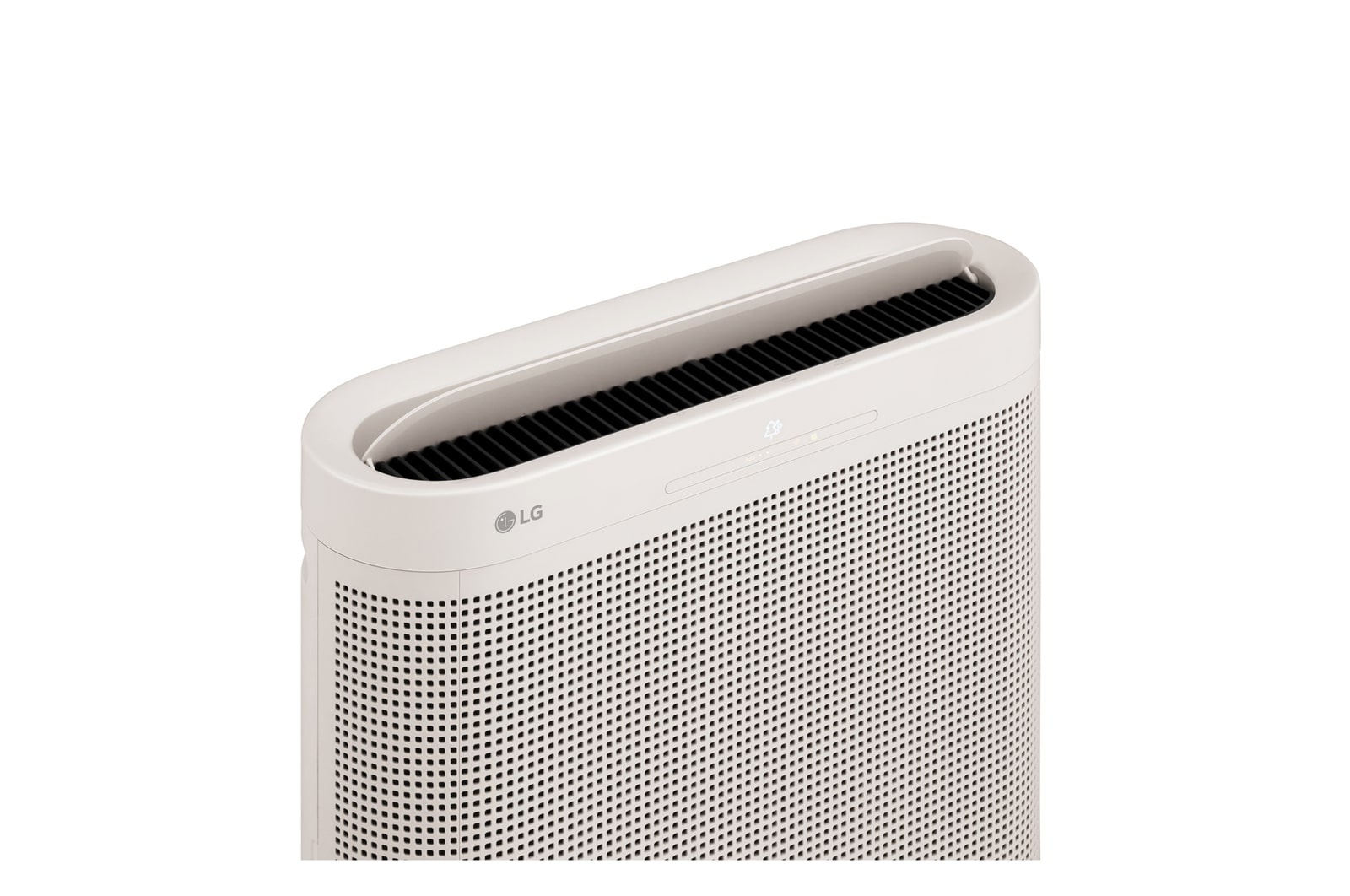
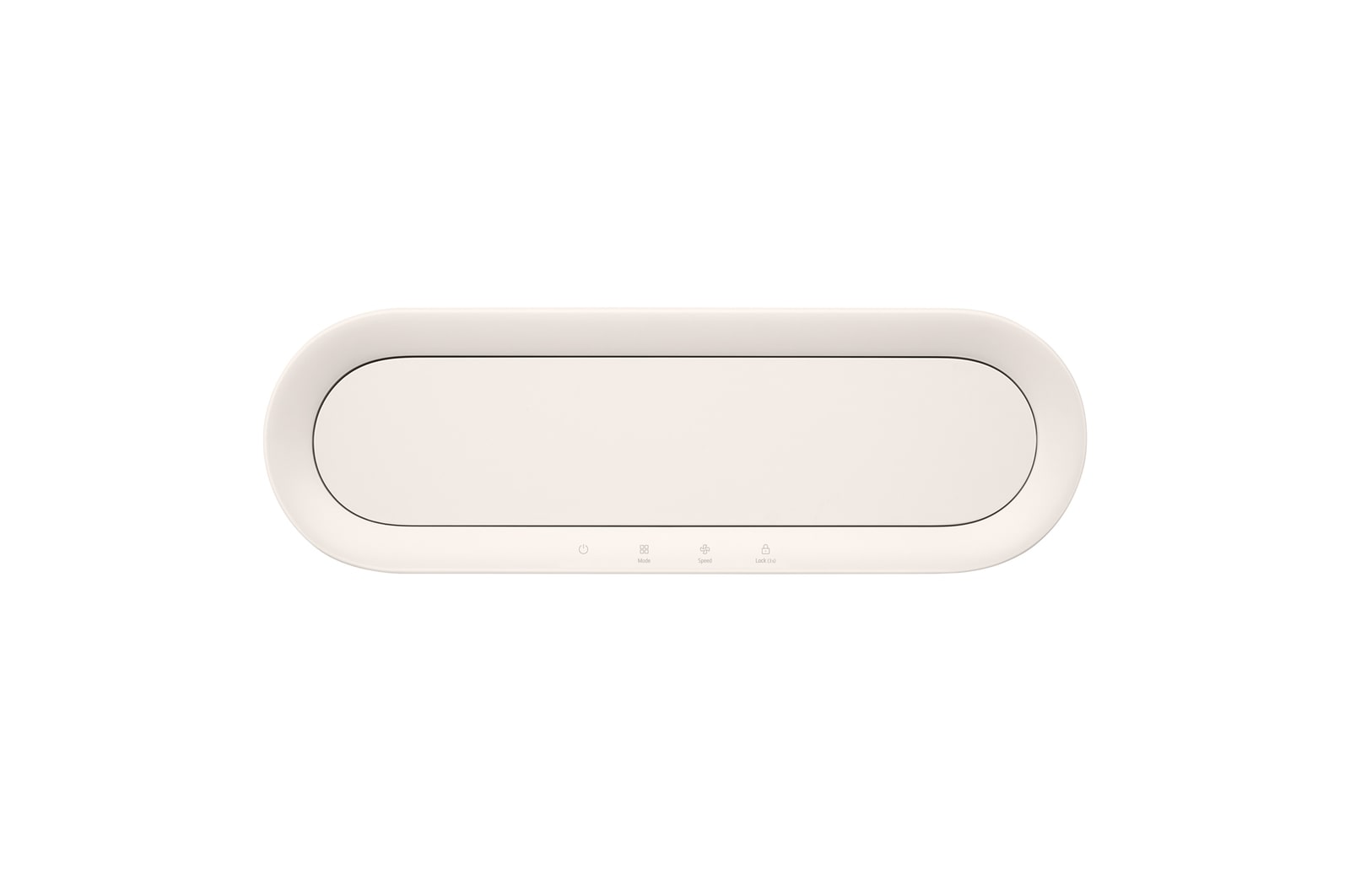
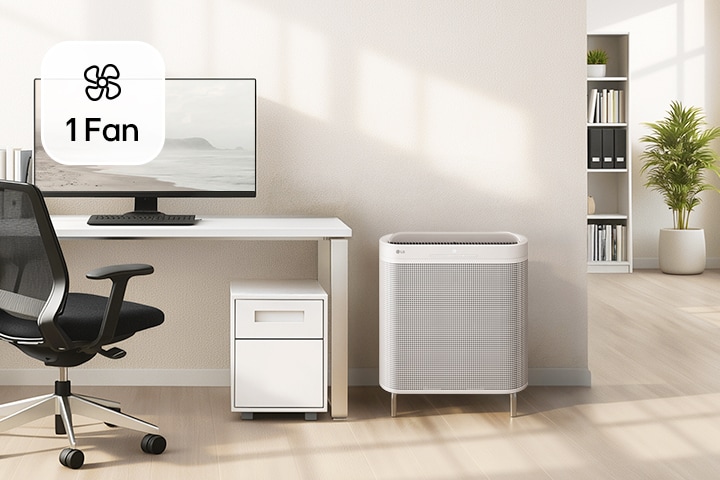
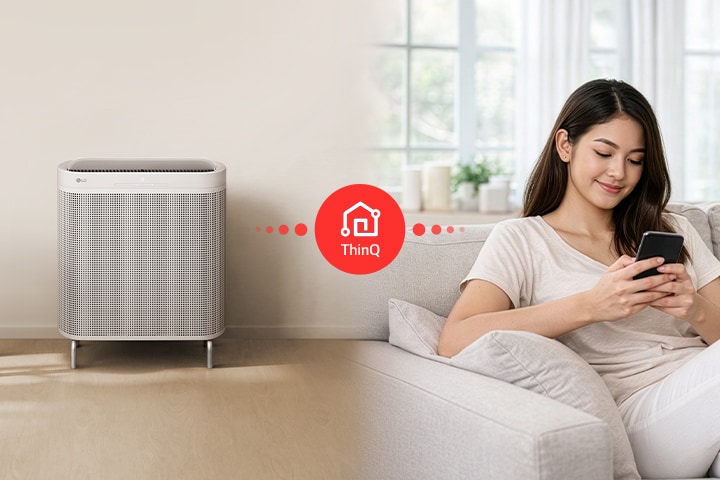
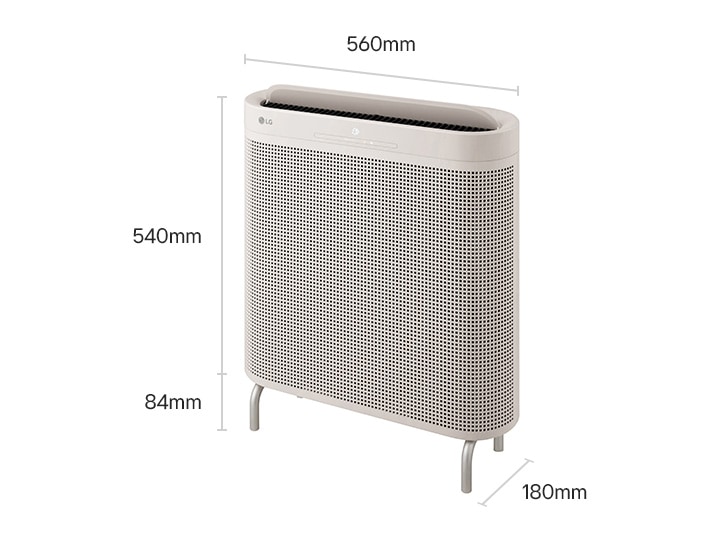
*The images and videos above are staged and created for illustrative purposes to enhance understanding. There may be variations depending on the actual product installation environment.
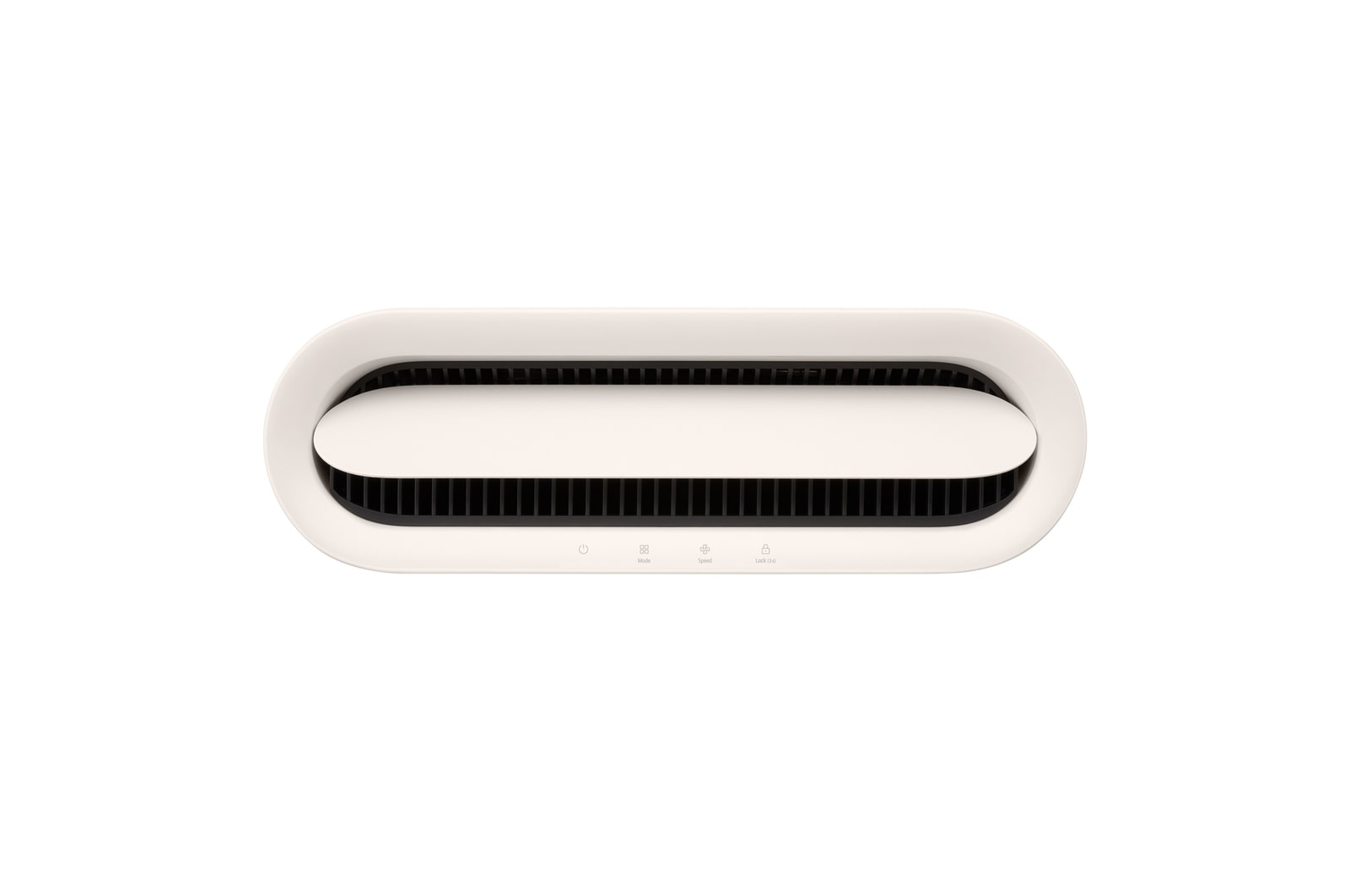
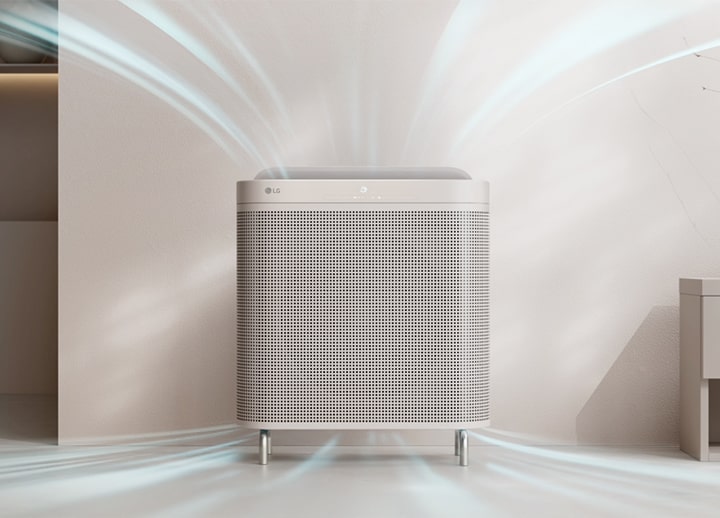
1) Dual Airflow
-KCL verified a 99.9% reduction for airborne microbes(Aspergillus brasiliensis) under test conditions.
-Report Number: CT25-069387E, Test Dates: Aug.12-Sep.4, 2025, Test Model: AS18*L*AA, AS60*LSA0, Test Agency: KCL (Korea Conformity Laboratories), Test Conditions: Temperature (22.7 ± 0.6)℃, Relative Humidity (50.5 ± 0.5)%, Test Method: Client’s requirement method (based on ISO 16000-43:2025 Mod.), airborne microorganism reduction test in a 30 m³ chamber under Turbo mode for 1 hour. (Before: 6.7 × 10³ CFU/m³ / After: <10 CFU/m³; Test strain: Aspergillus brasiliensis ATCC 9642; Measurement equipment: MAS-100 NT (MERCK), 100 L/min.)
-KTL verified a 99.0% reduction in airborne bacteria and a 98.6% reduction in airborne virus under test conditions.
-Report Numbers: 25-051427-02-2 (bacteria), 25-051427-02-1 (virus), Test Dates: Aug. 19–21, 2025 (bacteria) / Aug. 21–22, 2025 (virus), Test Model: AS18*L*AA, Test Agency: KTL (Korea Testing Laboratory), Test Conditions: Temperature (23 ± 2)℃, Relative Humidity (50 ± 5)%, Test Method: KOUVA AS 02:2023, airborne microorganism measurement in a 60 m³ chamber under single mode (maximum airflow level) for 60 minutes (bacteria) and 30 minutes (virus).
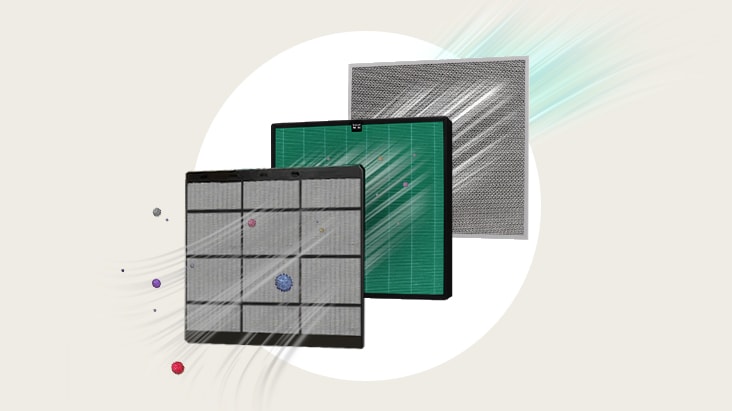
2) V Filter
-KCL verified 99.999% removal efficiency of 0.01 µm particles under test conditions.
-Report Number: CT25-067697E, Test Date: Aug. 6–8, 2025, Test Model: AS18*L*AA, Test Agency: KCL (Korea Conformity Laboratories), Test Conditions: Temperature (23 ± 3)℃, Relative Humidity (50 ± 10)%, Test Method: SPS-KACA002-0132:2022 (Indoor air cleaner, Annex A), particle removal efficiency measured using KCl aerosol in a 30.0 m³ air cleaning chamber under Turbo mode.
-KOTITI verified that V FILTER #1 and V FILTER #2 have noxious gas (Toluene, Ammonia, Formaldehyde) purification ability with an average of 0.8 m³/min under test conditions.
-Report Number: 82264011100392, Test Period: Apr. 21–24, 2026, Test Samples: V FILTER #1, V FILTER #2 (AS60 Series, Wall-Fit), Test Agency: KOTITI Testing & Research Institute, Test Method: SPS-KACA002-0132:2022, Test Conditions: Chamber size (8.0 ± 0.2) m³, Temperature (21 ± 3)℃, Relative Humidity (45 ± 5)% R.H., Rated airflow rate: Level 4 (Turbo).
-Test Results (m³/min): Toluene (A: 1.6 / B: 1.5), Ammonia (A: 0.5 / B: 0.3), Formaldehyde (A: 0.5 / B: 0.5), Noxious gas purification ability (A: 0.9 / B: 0.8).
3) AI Mode
-To use AI Mode, the ‘Energy Saving’ option must be enabled once in the LG ThinQ app.
-If the LG ThinQ app is not connected or the ‘Energy Saving’ option is not enabled separately, the system will operate in Auto Mode when AI Mode is selected.
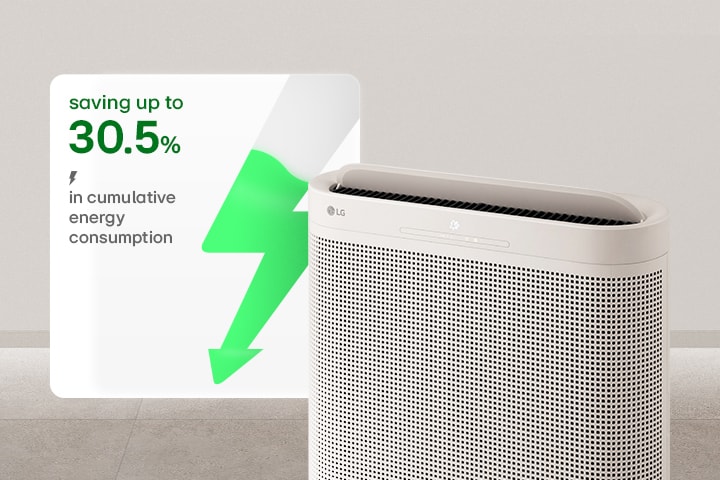
-TÜV Rheinland verified a 30.5% improvement in cumulative energy consumption when using the AI Mode energy-saving function compared to Auto Mode. (Auto Mode: 64.755 Wh / AI Mode with energy-saving function: 45.038 Wh)
-Report Number: KR25M990-001, Test Date: Sep. 4, 2025, Test Model: AS18*LS**, Test Agency: TÜV Rheinland, Test Conditions: Temperature 23 ± 5℃, Relative Humidity 55 ± 15%, Test Method: Cumulative power consumption measured by mode. (Measured for 8 hours after 10 minutes of operation in each mode)
4) LG ThinQ®
-LG SmartThinQ is now renamed as LG ThinQ®.
-Internet connection is required.
-Wi-Fi connection is required to use LG ThinQ® features.
-Bluetooth connection is required for initial setup and device pairing.