HELPFUL HINTS

    How to Use a Humidity Control Fridge: Keep Your Ingredients Fresh Longer


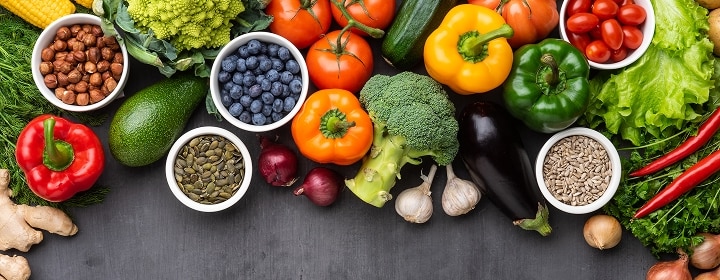
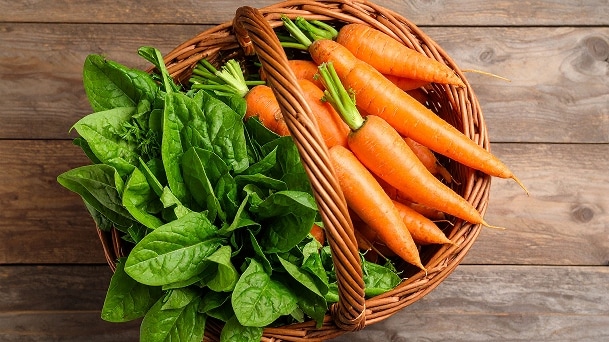
    Assorted fresh vegetables, fruits and nuts showing optimal humidity control for long-lasting freshness

    There’s nothing quite like cooking with ingredients that taste as vibrant and fresh as the day they were picked. In today’s modern kitchen, appliances such as LG fridge freezers are evolving to help protect this freshness. One of the most impressive innovations is their humidity control feature, a small change that can make a world of difference. If you’re wondering how to use humidity control fridge settings to prolong the life of your veggies, fruits, and more, you’re in the right place. Let’s explore how these smart features work and how they keep your ingredients at their very best.

    What is a Humidity Control Fridge and
    Why is It Important for Food Storage?

    LG refrigerator Fresh Converter drawer with meat showing adjustable humidity control for optimal freshness

    Freshness in your fridge isn’t simply about keeping the temperature low. The secret lies in managing moisture levels too. A humidity control fridge lets you adjust the environment to cater for different types of food, especially your fresh produce. Most vegetables and fruits thrive around 1°–3°C, retaining about 90% of their natural moisture. By striking this balance, your fridge prevents wilting, spoilage, and keeps your greens crisp while ensuring your berries remain juicy.


    Imagine it as a spa for your groceries. The humidity control feature carefully regulates moisture, so your leafy greens aren’t dehydrated and your fruits don’t go soggy. No more sad, wilted lettuce or mushrooms that have shrivelled up overnight. Instead, everything stays as deliciously crisp and vibrant as the day you brought it home. If you’ve struggled with unpredictable food spoilage, a humidity-controlled compartment could be the game-changer you need.

    How Does a Humidity Control Fridge Work?


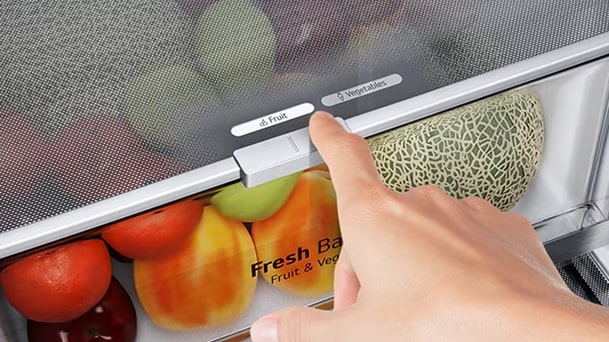
    At its heart, the humidity control system in your LG fridge operates through dedicated drawers, often called crisper or fresh produce drawers. Each comes with an adjustable vent, slider, or gasket that lets you fine-tune the level of moisture inside.


    When closed, the drawer traps more moisture, creating a high-humidity environment ideal for most vegetables and certain fruits.


    Opening the vent allows air to circulate and lowers humidity, which is more suitable for fruits with tough skins or those prone to mould.


    Through this simple mechanism, you have the power to put every ingredient in its optimal habitat. 

    A Step-by-Step Guide

    How to Use a Humidity Control Fridge


    Ready to get the most out of your LG fridge’s humidity control settings? It takes just a few simple steps.

    Step 1

    Know Your Sections


    LG fridge freezers often include specialised compartments for different food types. The vegetable and fruit drawers, sometimes marked “Fresh Produce”, are specifically engineered to maintain higher humidity. When restocking, use these compartments for produce that needs to retain more water, such as leafy greens and delicate herbs.

    Step 2

    Adjust the Settings


    After finding the fresh produce compartment, check if your fridge model allows you to set the humidity. Many LG fridges let you switch between ‘low’ and ‘high’ humidity. For most veggies and fruits, go with high-humidity mode to keep them crisp and fresh. Think of this process like choosing the right seasoning, matching your food’s needs ensures the best results.

    Step 3

    Use the Right Containers


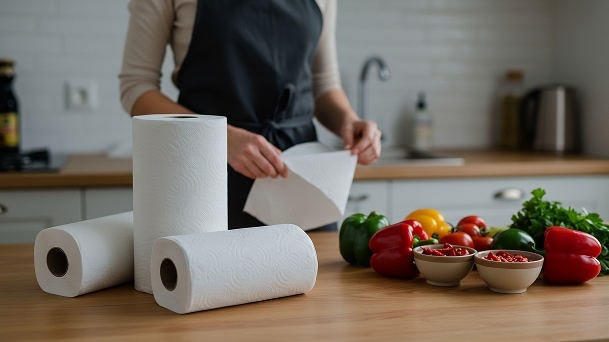
    For added protection, consider using produce containers with built-in drainage grids, or simply wrap particularly delicate items in a paper towel before storing. This little step helps prevent excess condensation and fends off premature spoilage—small details, big results.

    Storage Guide

    Where to Store Different Foods in Your Fridge

    Low Humidity Drawer

    Foods to Store in Low Humidity Drawers


    Not all produce belongs in a humid environment.


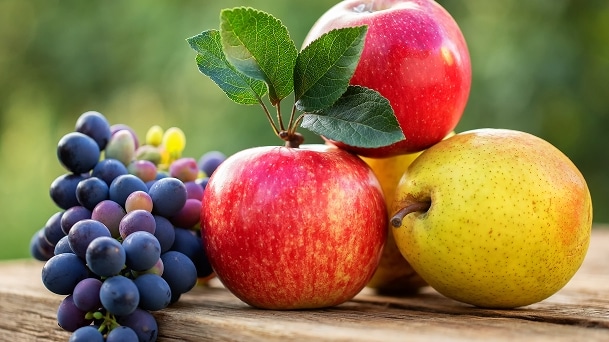
    Thick-skinned fruits and quick-to-spoil foods fare better in low humidity.


    Apples, pears, melons, and grapes are prime examples.


    These items emit ethylene gas and benefit from a drier setting that reduces mould risk and extends shelf life. A lower humidity setting also helps prevent their skins from turning rubbery or soft. 

    High Humidity Drawer

    Foods to Store in High Humidity Drawers


    ✔ High humidity is the sweet spot for ethylene-sensitive, easily-wilted vegetables and thin-skinned fruits.


    ✔ Think lettuce, spinach, broccoli, carrots, and strawberries.


    They need plenty of moisture in the air to stay firm and succulent. A humid environment shields them from dehydration and stops leaves from sagging, ensuring freshness for longer.

    Middle Humidity Drawer

    Why Not Store Foods in the Middle Humidity Drawer?


    It might seem tempting to just stick everything in a middle humidity setting, but this can actually cause problems. In a mid-range environment, neither moisture-loving nor moisture-hating foods are truly satisfied, leading to reduced freshness, quicker spoilage, and noticeable changes in taste and texture. For best results, always store ingredients in their optimal humidity level, don’t settle for halfway. 

    Outside Humidity Drawer

    Foods to Store Outside of the Humidity Drawer


    Certain foods are better off outside the humidity-controlled drawers altogether.


    Most tropical and subtropical fruits—like pineapple, bananas, and mango—are sensitive to cold and high humidity.


    These items are best stored on a fridge shelf or even at room temperature, as they can suffer from chill damage, lose their natural sweetness, and become mushy if kept too cold or damp. 

    Freshness Tips

    Tips for Maintaining Freshness with Humidity Control


    Your LG fridge’s humidity control system isn’t just for produce; it can help you manage all sorts of kitchen staples. 

    ✔ Keeping Produce Fresh


    Most fruits and vegetables prefer high humidity, but tropical produce like avocados, tomatoes, and peppers aren’t suitable for cool, damp environments. For these, many LG fridges offer separate compartments or custom settings to prevent chill injuries and maintain taste. Be sure to keep these separate and always check the recommended storage for each item.

    ✔ Handling Meats and Seafood


    Freshness matters most with meats and fish. Many LG fridge freezers feature dedicated meat/fish drawers with temperatures as low as –1.5°C to –2.5°C, ideal for keeping proteins at peak quality and preventing freezer burn. Wrap your meats tightly, or consider vacuum sealing to avoid oxidation and maintain that just-bought texture and taste.

    ✔ Tips for Egg Storage


    Eggs keep best within the body of the fridge (not in the door), where the temperature is most stable. Don’t wash eggs before storing, retain their natural cuticle to lock in moisture and block bacteria. A well-organised fridge with proper humidity ensures even your eggs are kept at their freshest.

    Final Thoughts

    Freshness at Your Fingertips

    Modern kitchens deserve modern solutions, and LG’s approach to humidity control is a true breakthrough for anyone who cares about healthy, flavour-packed food. Once you master your fridge’s humidity control settings, you’ll enjoy fresher produce, less food waste, and a more inviting kitchen. When shopping for an appliance that champions your fresh food needs, consider LG’s innovative range, a step towards a fresher, more delicious tomorrow.

    Embrace a smarter way to store your essentials, and let every meal shine with vitality and taste. Happy cooking!

    FAQ

    Q.

    What is the best humidity setting for vegetables in a fridge?

    A.

    Most vegetables prefer a high humidity setting to keep them crisp and fresh. Use the “high” or closed vent option in your drawer.

    Q.

    How do I set the humidity control in my fridge?

    A.

    Slide the vent or toggle switch on your LG fridge’s drawer. Closed is for high humidity (leafy greens, delicate veg), open is for low humidity (fruits with skins).

    Q.

    Can I store meat in the humidity control drawer?

    A.

    It’s best not to. Use the dedicated meat/fish drawer or lowest section of the fridge, which keeps the temperature optimal and prevents cross-contamination.

    Q.

    Why do vegetables freeze in the crisper drawer?

    A.

    If the temperature is set too low or cold air vent blows directly into the drawer, the contents could freeze. Check that the vent isn’t open and adjust the fridge temperature if needed.

    Related Articles