We use cookies, including cookies from third parties, to enhance your user experience and the effectiveness of our marketing activities. These cookies are performance, analytics and advertising cookies, please see our Privacy and Cookie policy for further information. If you agree to all of our cookies select “Accept all” or select “Cookie Settings” to see which cookies we use and choose which ones you would like to accept.
[On the Job] Where Taste Meets Technology: Inside LG’s Food Science Lab
-
extension : zipFood Science Lab Images.zip
-
extension : imgFood Science Lab Image 1.jpg
-
extension : imgFood Science Lab Image 2.jpg
-
extension : imgFood Science Lab Image 3.jpg
-
extension : imgFood Science Lab Image 4.jpg
-
extension : imgFood Science Lab Image 5.jpg
-
extension : imgFood Science Lab Image 6.jpg
-
extension : imgFood Science Lab Image 7.jpg
-
extension : imgFood Science Lab Image 8.jpg
-
extension : imgFood Science Lab Image 9.jpg
Crispy on the outside, juicy on the inside—what makes food truly delicious?
While many assume it comes down to the chef, much of the difference lies in the science behind food. From storage to cooking, subtle chemical reactions shape taste in ways that are often invisible, yet deeply noticeable.
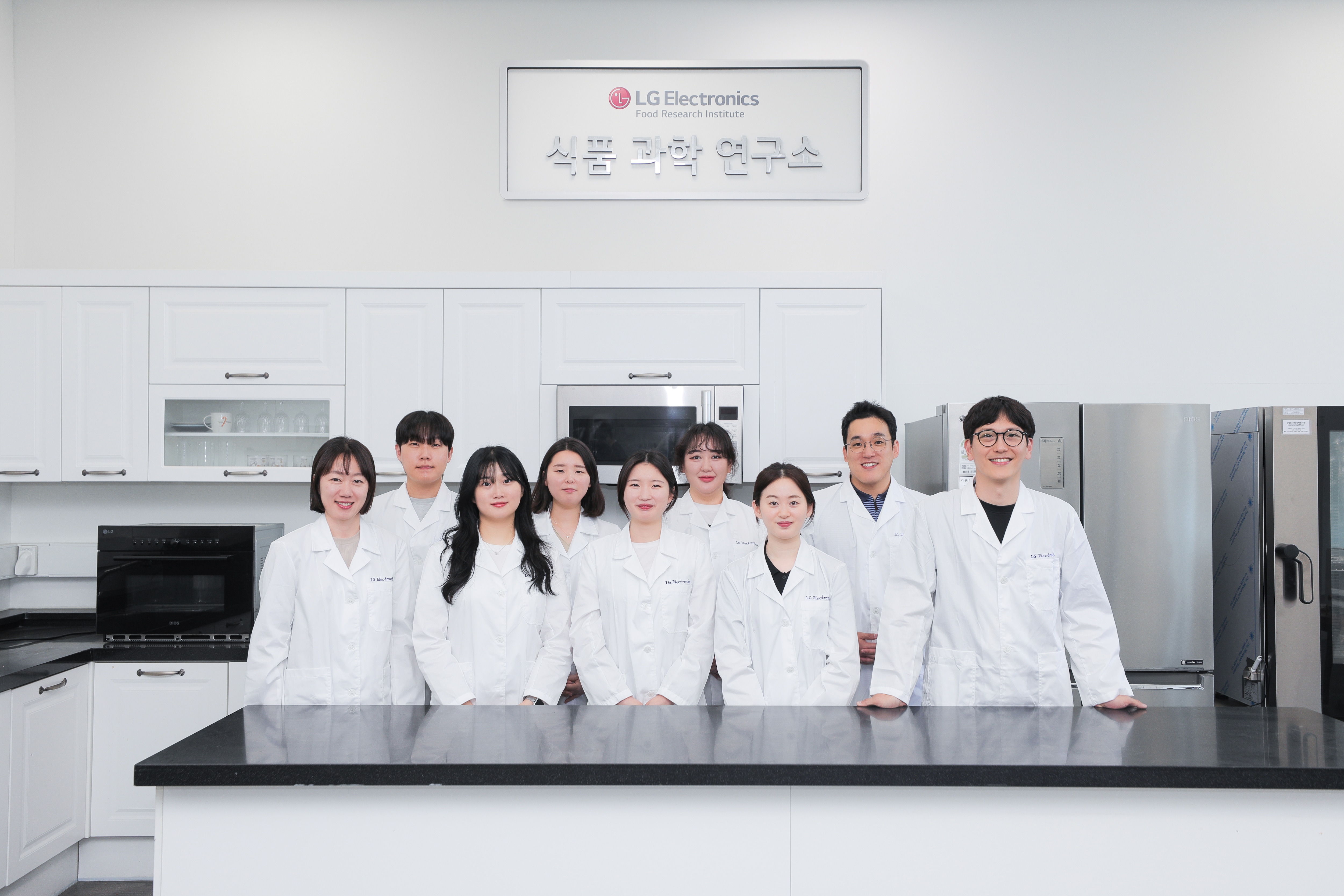
At LG Electronics (LG), kitchen appliances are evolving beyond simple tools into precision systems designed to deliver consistent, high-quality taste experiences. As innovation in the kitchen shifts from appliance performance to actual cooking results, LG is redefining value in the kitchen with taste at the center, not just technology. At the heart of this transformation is the LG Food Science Lab, where scientific research meets real-world cooking.
In this edition of On the Job, we meet Minsoo Kim, a specialist at the LG Food Science Lab, to better understand how this work comes to life.
Understanding Food Beyond the Appliance
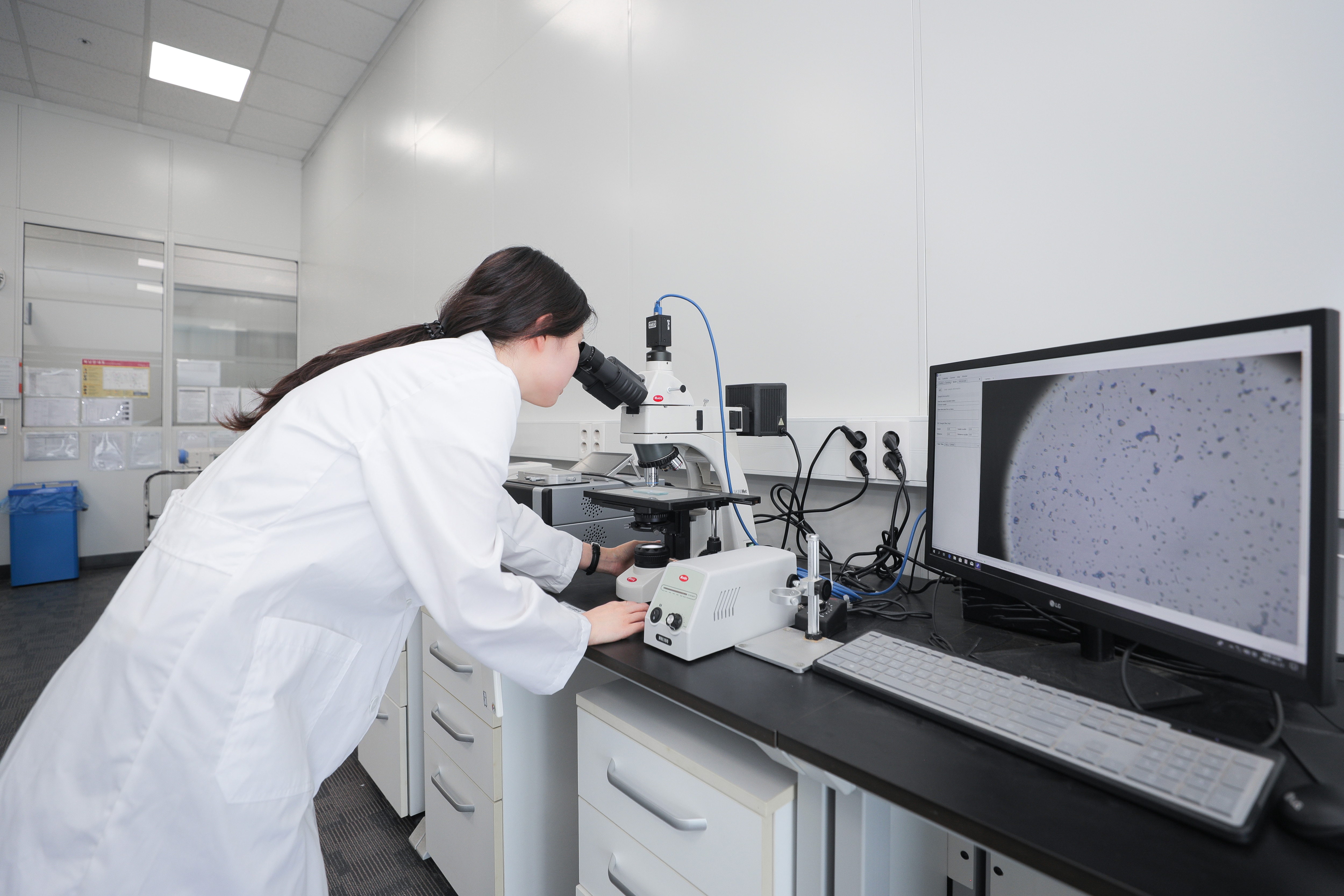
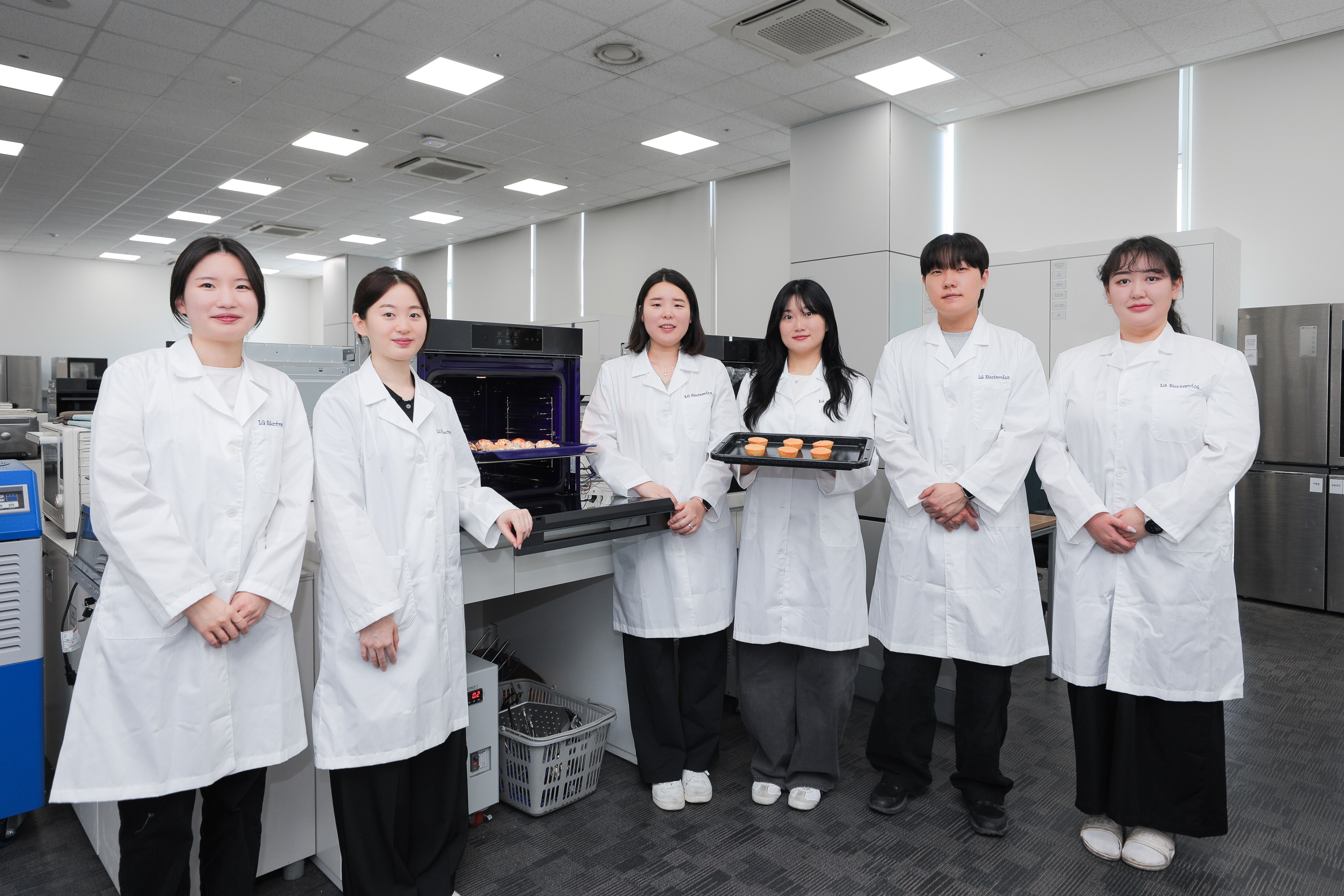
The Food Science Lab brings together experts from diverse fields, including food science, nutrition, engineering and microbiology, to study the complex changes that occur in food during storage, fermentation and cooking. These findings are then translated into practical applications that enhance LG’s kitchen appliance technology.
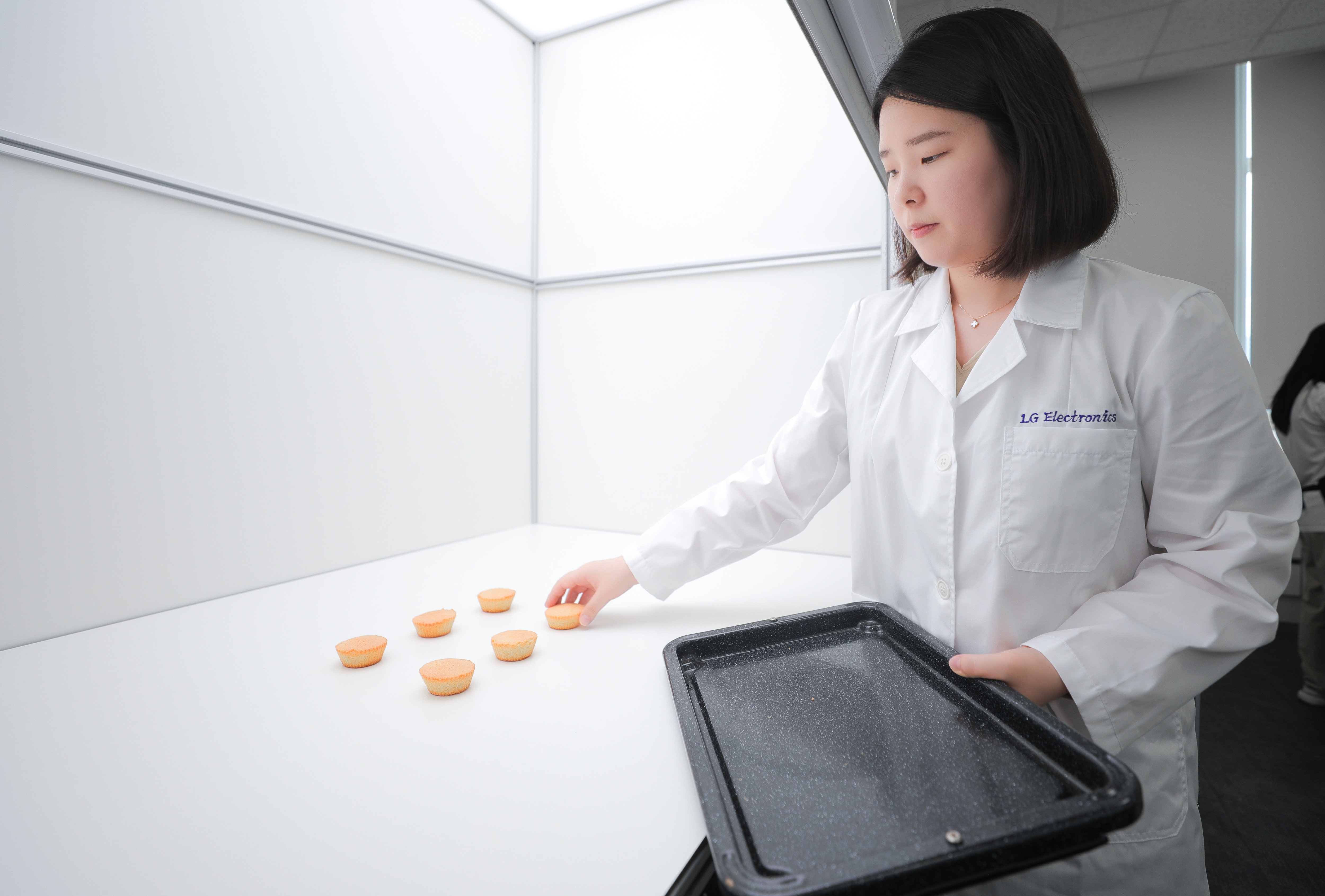
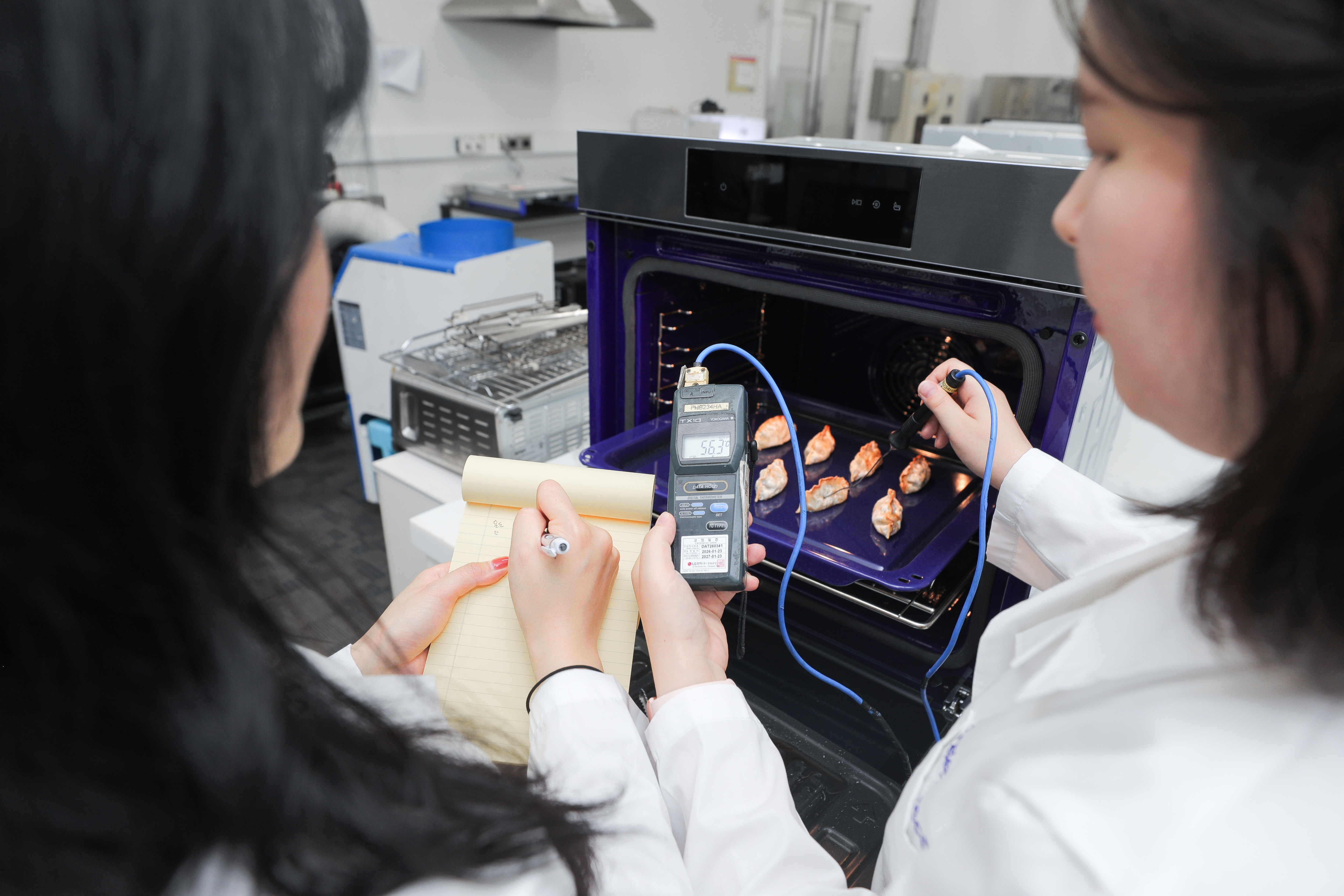
Beyond simply improving appliance performance, we focus on understanding food at a deeper level—analyzing changes in flavor, aroma, texture and even microbial activity. Since taste is inherently subjective, we use scientific sensory evaluation methods to translate the experience of “delicious” into measurable technical terms. We analyze and quantify factors such as temperature, texture, moisture, color and aroma using various measuring instruments to ensure that our products consistently deliver these qualities.
Leveraging over 20 years of accumulated food data and technical insights, we develop algorithms that refine and elevate the capabilities of each appliance. Ultimately, this allows us to go beyond function and deliver more consistent and optimized culinary results in everyday use.

Why LG Invests in Food Science
We recognized early on that to build truly competitive products, we first needed to understand the essence of food itself. This led to the establishment of the LG Food Science Lab. By studying how different foods behave within appliance environments, we are able to generate actionable data that directly informs product development.
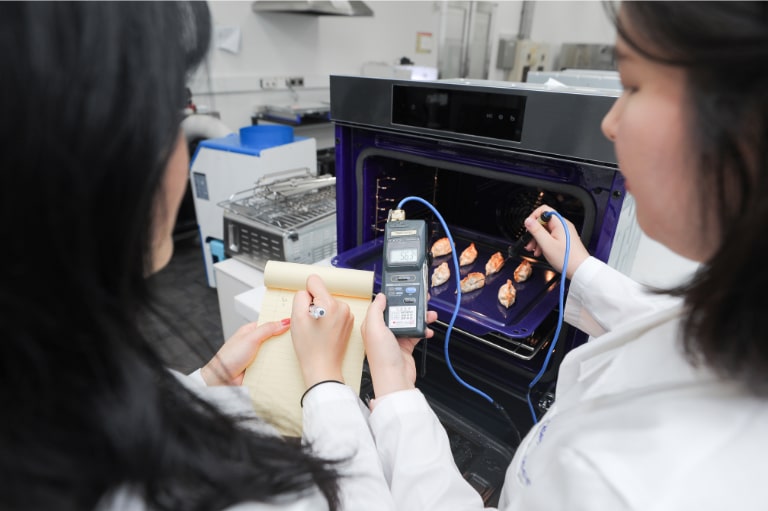
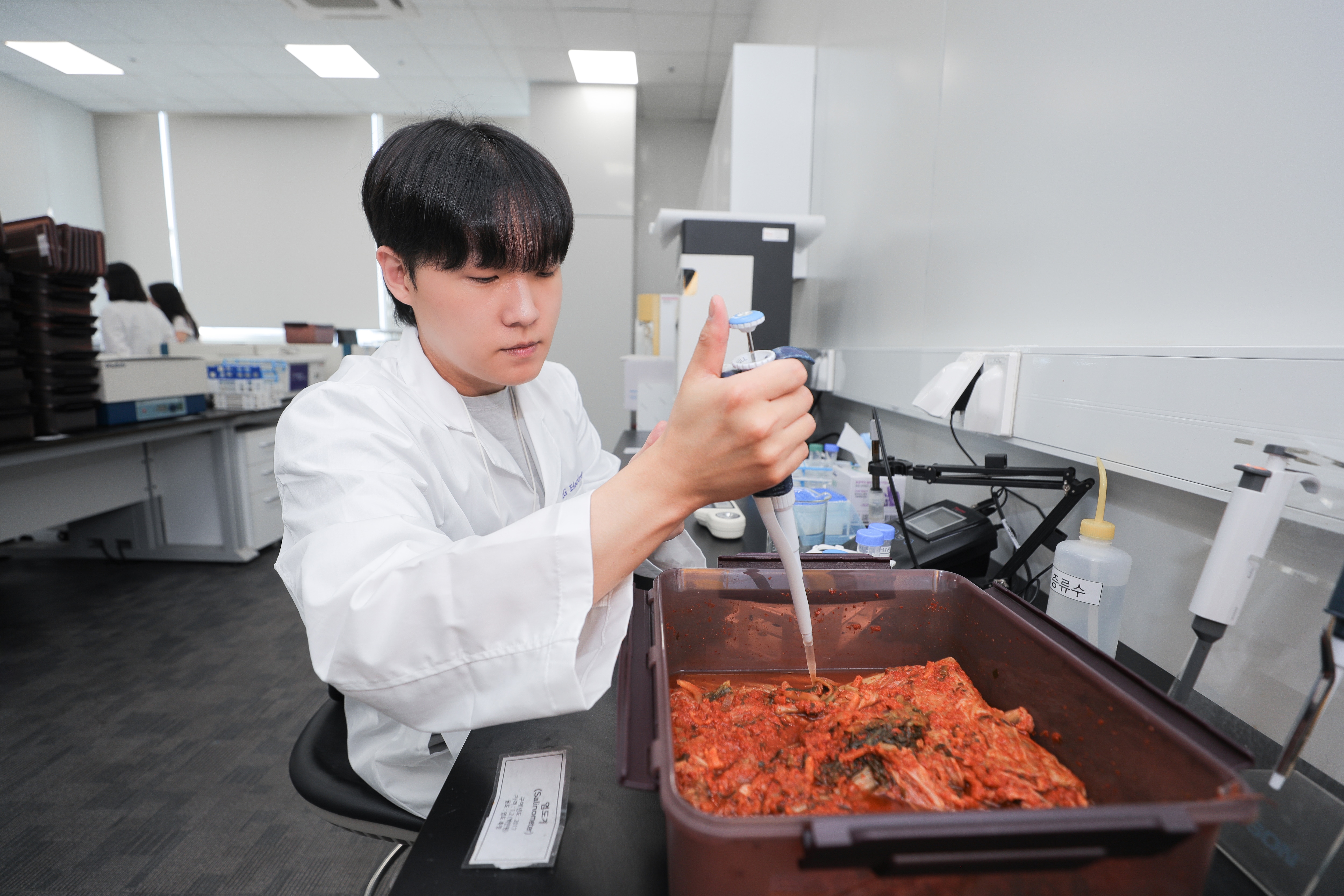
Our research covers a wide range of real-life scenarios—from steaming frozen dumplings to analyzing how kimchi ripens over time, or how moisture content changes during storage and preparation. Through this work, LG is shifting from a focus on appliance functions to a results-driven approach that prioritizes the actual culinary experience.
Turning Taste Into Data
That’s the core challenge, and we approach it through sensory science. Rather than treating taste as a purely subjective experience, our researchers work to convert sensory perceptions into measurable data. By doing so, they can establish a benchmark for the ideal taste and texture, which can then be applied to our appliance technology.
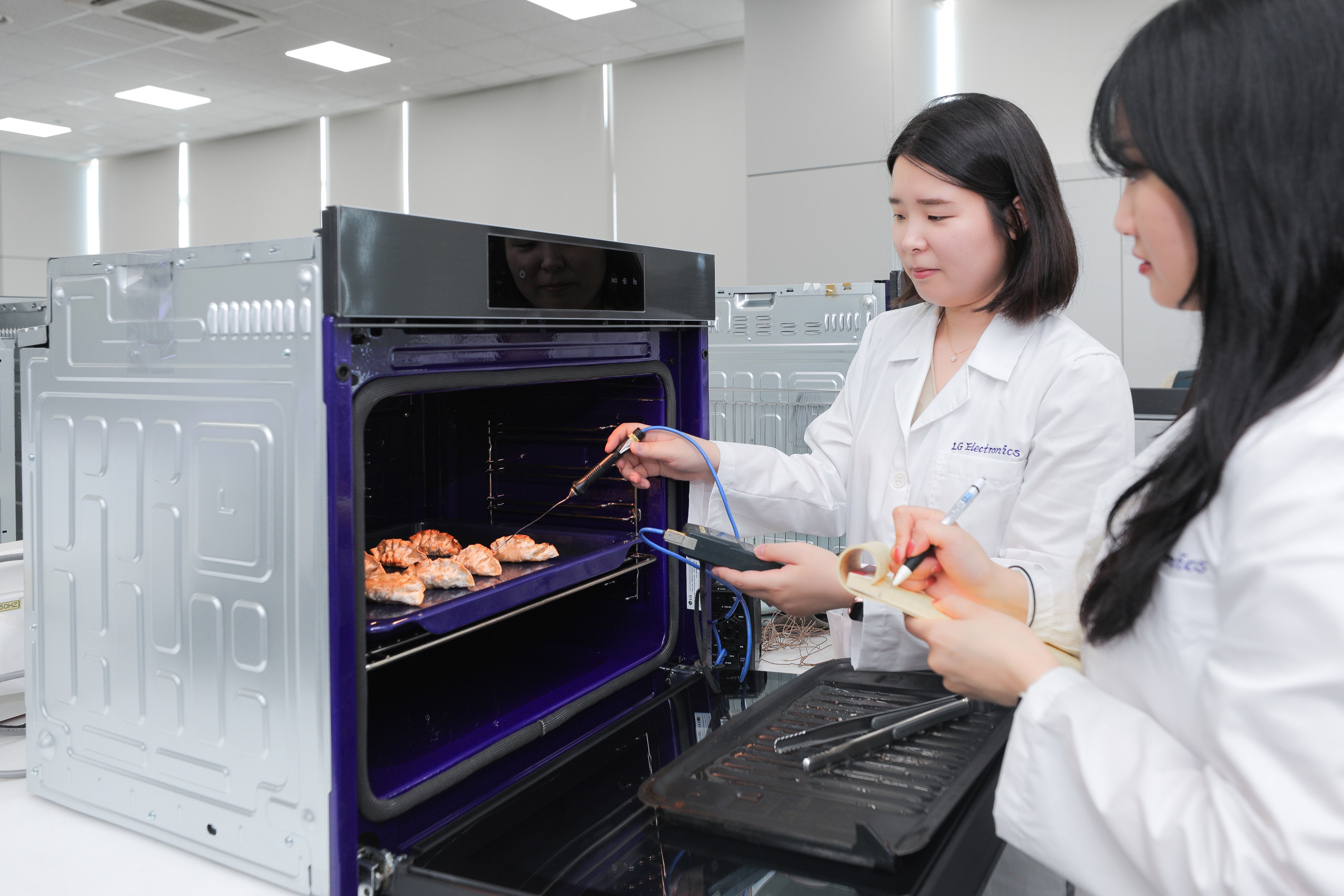
Inside the lab, this process becomes tangible. Researchers repeatedly test the same dumpling—adjusting temperature, humidity and cooking time in small increments—to identify the precise conditions that deliver the ideal balance of crispiness and juiciness. What may seem like a tiny difference—just a one-degree change in temperature or a slight shift in moisture—can significantly affect the eating experience. These subtle factors play a critical role in shaping taste. By identifying and controlling them, we can translate sensory experiences into appliance technologies that consistently deliver the taste and texture consumers enjoy.
From Research to Real Products
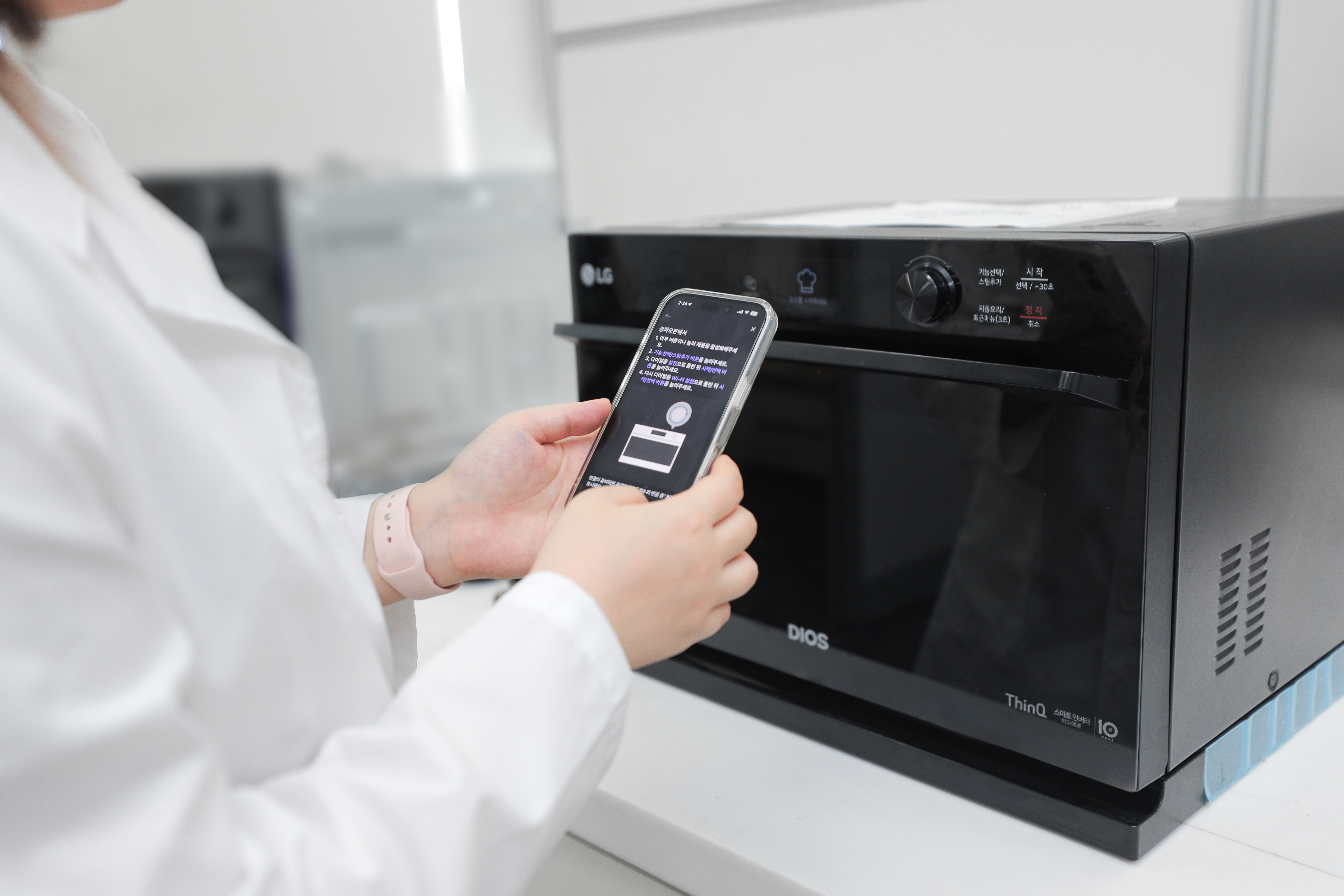
One example of how our research is applied is LG’s ‘Scan to Cook’ oven function. Before a pre-packaged or frozen food item is added to the database, we first work with food manufacturers to identify optimal cooking conditions. When users scan the barcode using the LG ThinQ™ app, the oven automatically applies the appropriate temperature, time and cooking mode. In internal testing, this technology has been shown to help improve cooking results, such as crispiness and browning levels, compared to following package instructions alone.
Other innovations, such as Inverter ProBake Convection™ and Auto Cook Mode, also incorporate insights from the Food Science Lab to deliver fast, even and consistently high-quality cooking outcomes.
Designing the Future of Delicious
Our ultimate goal is simple: to create appliances that make customers say, “Wow, that’s delicious.” To achieve this, we focus not just on technical performance, but on the overall culinary experience that our products deliver.
By combining food science with advanced appliance technology, the LG Food Science Lab is helping to shape a future where great taste is not left to chance, but designed with precision. In doing so, LG aims to move beyond better appliances and contribute to a more enjoyable and accessible food culture for everyone.