Why Dishwasher Maintenance Matters


A dishwasher is a self-cleaning appliance, but it is not maintenance-free. Over time, food debris, grease, insoluble minerals (limescale), and detergent buildup accumulate in hidden crevices.

Ignoring this leads to three primary failures:

  1. Reduced Cleaning Performance: Blocked spray arms cannot distribute water effectively.
  2. Odors: Trapped food particles in the filter begin to decay.
  3. Reduced Lifespan: Limescale buildup causes persistent water stains and internal deposits.
LG dishwasher installed under kitchen counter in modern interior with closed door and integrated cabinetry

LG Insight

Why Clean Conditions Matter


Modern appliances such as LG Dishwashers are built for durability. However, even the most advanced motor requires a clean environment to operate efficiently without strain.

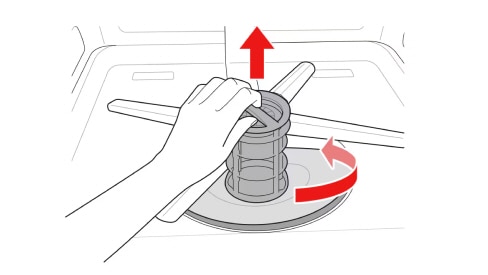
Diagram showing dishwasher filter removal by twisting cylindrical filter and lifting it from the base interior

Step 1

Cleaning the Filters (The Most Critical Step)


The filter system is the "kidney" of your dishwasher. It traps food particles to prevent them from redepositing on clean dishes. A clogged filter is the #1 cause of poor cleaning results and bad smells.

  1. Locate: Remove the bottom rack. The filter is typically located at the base of the tub.
  2. Remove: Twist the cylindrical filter (usually counterclockwise) and lift it out. There is often a mesh plate underneath—remove that too. Be careful not to let accumulated debris fall into the sump opening.
  3. Wash: Rinse under running tap. Use a soft brush to scrub away grease or calcium buildup from the mesh.
  4. Reassemble: Place the mesh back, insert the cylinder, and twist until it locks (listen for a click).
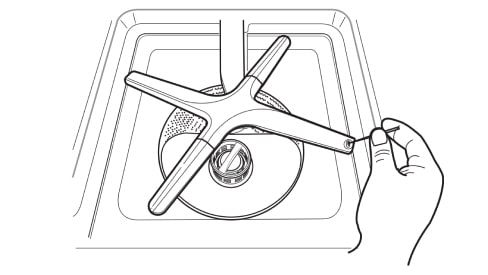
Diagram showing dishwasher spray arm removal and cleaning by hand with visible nozzle inspection

Step 2

Inspecting and Cleaning Spray Arms


Water must flow freely for your dishes to get clean. If the small nozzles on the spray arms are blocked by lemon seeds, eggshells, or limescale, the water pressure drops.

  1. Visual Check: Spin the arms manually. They should rotate freely without hitting dishes.
  2. Remove and Rinse: Most spray arms (top and bottom) can be detached. Rinse them under a tap.
  3. Declog: If a nozzle is blocked, use a toothpick or a needle to gently push the debris out.
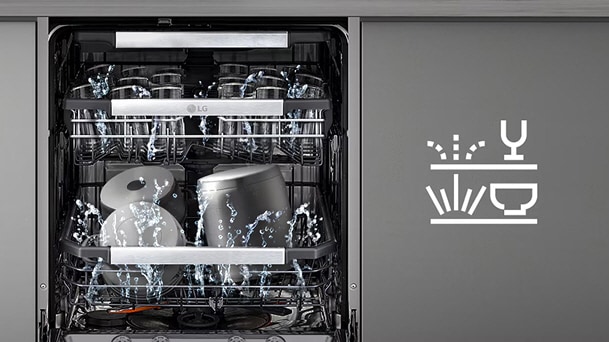
LG dishwasher interior with dishes during wash cycle showing water spray and QuadWash performance icon

LG Insight

Maintaining QuadWashTM Performance


LG dishwashers feature QuadWash™ technology with Multi-Motion arms that rotate and spin. Because these arms have more complex movement to reach every angle, keeping the pivot points free of stringy debris (like hair or vegetable fibers) is essential for maintaining that 360-degree cleaning coverage.

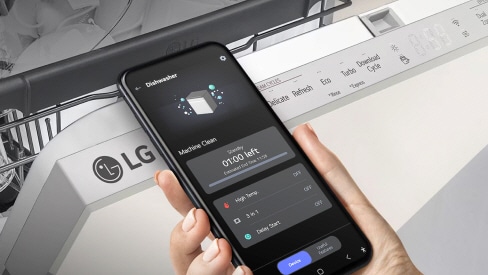
LG dishwasher control panel with smartphone showing LG ThinQ app for machine clean cycle selection

Step 3

Descaling and the "Machine Clean" Cycle


Limescale (calcium carbonate) is the enemy of heating elements. If you live in a hard water area, descaling is mandatory.

Use the Machine Clean Cycle in following steps:

Most modern dishwashers have a dedicated cycle for self-maintenance.

  • Empty the Unit: Do not run this cycle with dishes.
  • Add Cleaner: Place a specialised dishwasher cleaner (liquid or tablet) in the detergent dispenser or securely in the rack (bottle type).
  • Select Cycle: Choose the "Machine Clean" setting. If your model doesn't have one, choose the hottest cycle available (often "Intensive").
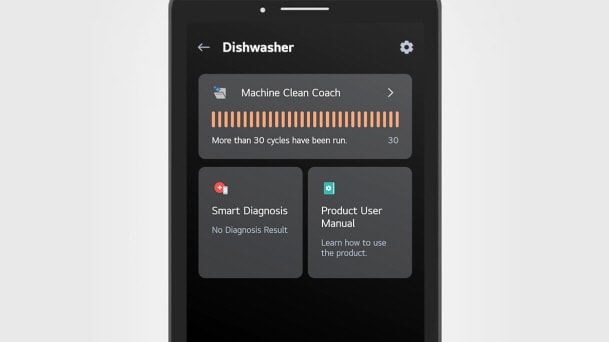
LG dishwasher ThinQ app screen showing “Machine Clean Coach”, cycle count and Smart Diagnosis options

LG Insight

Machine Clean Reminder


LG dishwashers are equipped with a dedicated Machine Clean reminder. This function shows how many cycles remain before it is time to run the Machine Clean cycle, removing guesswork and keeping the stainless steel tub pristine.

LG dishwasher with open rack showing detergent, salt and rinse aid icons inside kitchen cabinetry

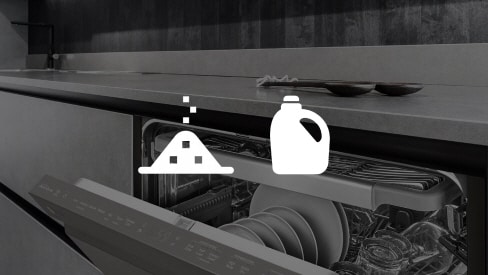
The Role of Consumables: Salt and Rinse Aid


Many users rely solely on "All-in-One" tablets, but for optimal maintenance, the separate components are vital.


Why You Need Dishwasher Salt

Salt regenerates the ion exchange resin in the built-in water softener to preventlimescale from forming on the heater and water spots on glass.

Pro Tip: Refill the salt when the indicator light turns on. If you live in a hard water area, this is the single best thing you can do to extend your machine's life

Why You Need Rinse Aid

Rinse Aid breaks the surface tension of water, allowing it to slide off dishes.

Pro Tip: If your dishes are coming out wet or spotted, your rinse aid level is likely low, or the dosage setting needs adjustment. Even if you use All-in-One tablets, adding a separate rinse aid is recommended if you are not satisfied with the drying performance.

Comparison Table: Maintenance Frequency Schedule

ComponentFrequencyActionWhy?
FilterWeeklyRinse & ScrubPrevents odours and redeposit of food.
Door SealMonthlyWipe with damp clothPrevents mold growth and leaks.
Spray ArmsMonthlyInspect & UnclogEnsures maximum water pressure.
Machine CleanEvery 30 CyclesRun with DescalerRemoves internal limescale & grease.
Salt/Rinse AidAs NeededRefillProtects heater & improves drying.

Smart Maintenance with LG ThinQ


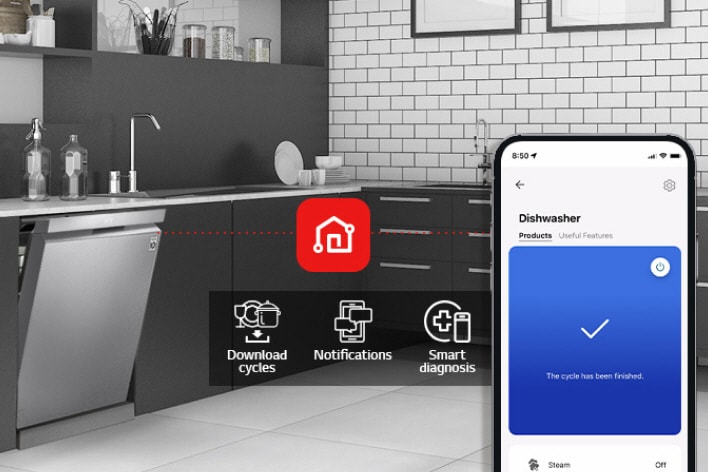
In the era of the smart home, maintenance is no longer reactive; it is proactive.

LG dishwasher with smartphone showing ThinQ app Smart Diagnosis feature and error detection interface

Smart Diagnosis

If your dishwasher stops working or displays an error code (like OE or IE), you don't always need a technician.

  • How it works: Open the LG ThinQ app on your mobile and hold it near the "Smart Diagnosis" logo on the dishwasher
  • The Benefit: The machine transmits a sound signal that the app decodes, telling you exactly what is wrong (e.g., "Water supply error" or "Drain blocked") and how to fix it immediately.
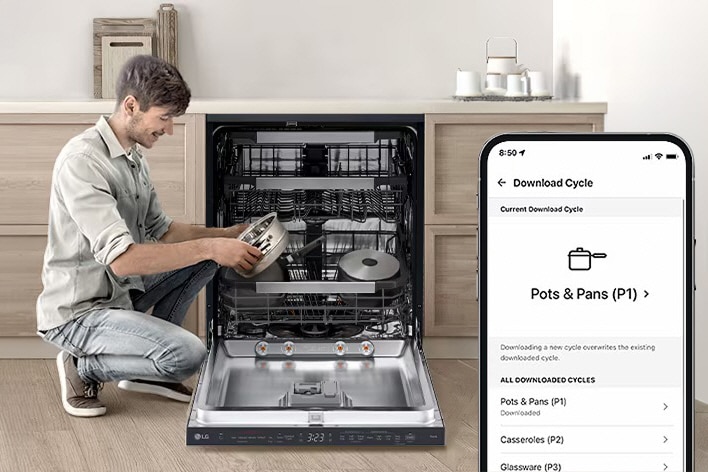
LG dishwasher with open door and smartphone showing cycle download options for wash programs

Cycle Downloads

Through the app, you can also download specialised cycles tailored to maintenance, such as "Pots & Pans" for intensive cleaning or specific care cycles, ensuring the machine operates within its optimal parameters for the load type.

Prevention: Loading Habits that Save Your Machine

Maintenance isn't just about cleaning the machine; it's about how you use it.

  1. Scrape, Don't Rinse: Modern enzymes in detergent need food soils to work effectively. However, large bones, toothpicks, and seeds must be scraped off. These are the primary causes of pump blockages.
  2. Don't Overload: If the upper spray arm can't rotate because a tall plate in the lower rack is blocking it, the machine works harder for poorer results.
  3. Use TrueSteam™: If your LG model features TrueSteam™, use it for caked-on food. The high-temperature steam dissolves grime effectively, reducing the need for aggressive pre-washing and keeping the filter cleaner.

FAQs


A. While vinegar is a popular home remedy for odors, it is acidic. Over time, frequent use of high-concentration acid can damage rubber seals. It is safer and more effective to use a purpose-made dishwasher cleaner or the manufacturer-approved Machine Clean cycle.

A. This is almost always caused by food trapped in the filter or a kink in the drain hose preventing dirty water from flowing out fully. Clean the filter immediately and check the hose connection under the sink.

If you live in an area with hard water, yes. The salt contained in tablets is often insufficient to handle high mineral content. Using separate salt protects the internal water softener unit from failing.

A. If dishes in specific corners of the rack are consistently coming out dirty while others are clean, it is a strong indicator that the spray arm nozzle corresponding to that area is clogged.

A. Unlike plastic tubs, stainless steel tubs (found in most LG models) retain heat better for drying and are less porous, meaning they resist odours and staining much better over the long term.