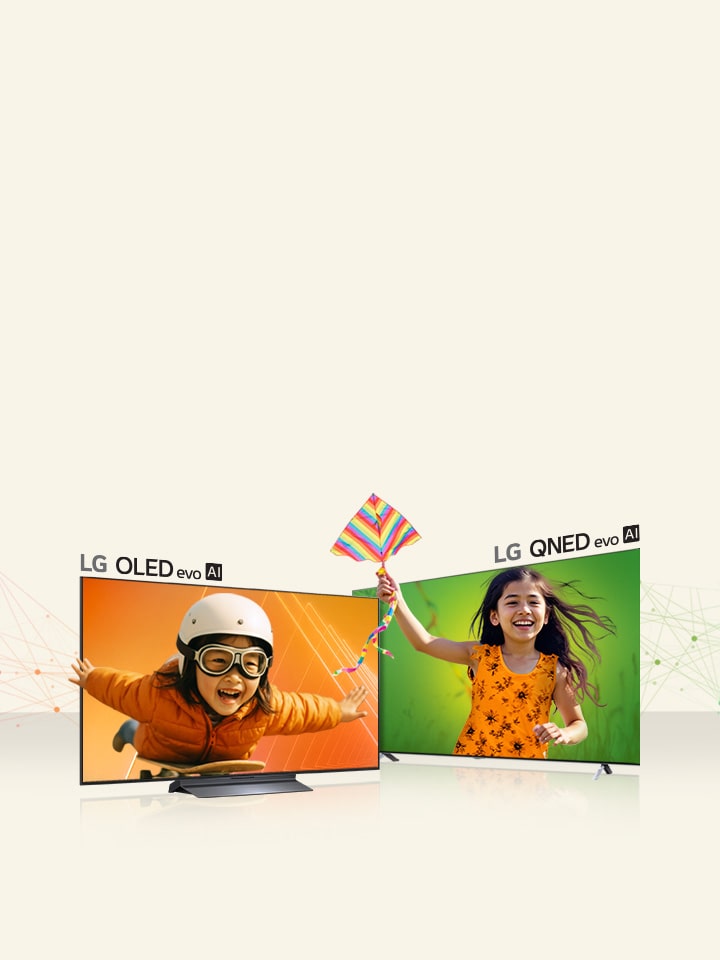
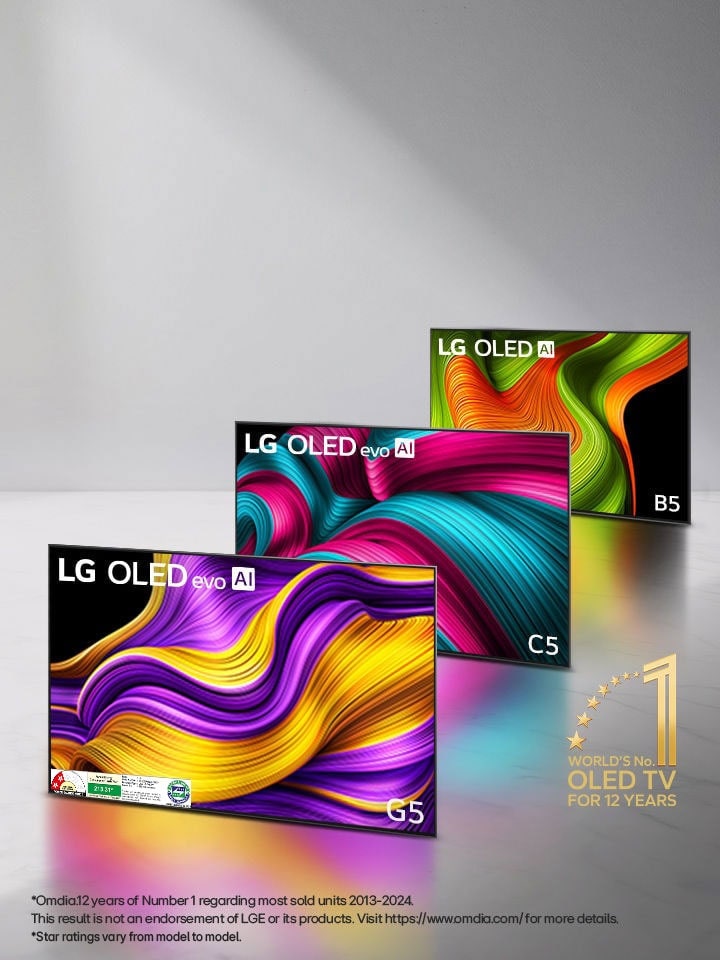
OLED TVs: Transforming Your Room into a Theatre

OLED TVs: Transforming Your Room into a Theatre

02/11/2026

Share this content.  You can share the items you like with your friends.

In recent years, staying in has become a serious contender to going out. Movies, series, games – all of them streamed straight to your couch. And with that shift, content consumption has become more than just “watching TV” — people want immersion. The question many face when upgrading or buying their first TV is: what does it take to make your home a theatre?

It’s not just about size. Picture sharpness, colour fidelity, contrast, sound depth — all of these work together to create that “I forgot I’m indoors” feeling. OLED TVs represent a leap in that direction. They’re of the higher-end tier compared to regular UHD models, and for good reason.


LG OLED TVs

Let’s focus on a model to illustrate what modern OLED tech offers. The LG OLED65B56LA is one of the premium 4K OLED TVs in LG’s lineup. It combines strengths in display, picture processing, and audio features to bring the cinematic experience into your living room.


Some standout features:

● Deep blacks that are truly black, thanks to self-lit pixels.

● Vibrant, accurate colours — colour fidelity and colour volume that meet high certification standards.

● Dolby Atmos sound, complementing the visuals, for an immersive audio experience.

● These are more than marketing buzzwords; they’re the cornerstones of what differentiates OLED from many standard UHD TVs.


Why Does OLED Technology Stand Out?

To understand what OLED brings, it helps to compare it with conventional LED/LCD/UHD technologies. The key is in how OLED handles light and colour, how it processes visuals, and how it responds in different viewing environments.


Deep Blacks & Contrast

OLED panels have self-lit pixels, meaning each pixel can turn itself completely off. That makes a huge difference in dark scenes. In contrast scenes (such as stars against a night sky or high-contrast cinematic shots), the blacks are inky. The LG model has what’s called Perfect Black, UL-verified, meaning it maintains true black levels even when there’s ambient light.

This isn’t just about shadow detail — when blacks are deep and accurate, everything else (colours, highlights) pops more. The contrast ratio feels more “real,” more cinematic.


Vibrant Colours & Colour Accuracy

Another area where OLED excels is colour performance. The LG OLED TV models boast’

100% Colour Fidelity and 100% Colour Volume (certified), which means it reproduces colour very close to what was intended by content creators. Whether it’s bright sunsets, neon signs in cityscapes, or subtle gradations in skins and fabrics, you see richness and variation, not flatness.

Also, reflectivity is managed — less glare, so even in well-lit rooms, you retain colour vividness.


Upscaled Visuals & Picture Processing

Most content isn’t native 4K at all times. Games may run at different resolutions; streaming content often uses compression. The LG’s α8 AI Processor Gen2 steps in with AI super upscaling and dynamic tone mapping to make lower-quality or non-native content look better.

The AI analyses genre, frame by frame, adjusts shadows, highlights, and sharpness — all to preserve detail without introducing artefacts. And then there are motion enhancements, refresh rate (120Hz native), which help reduce motion blur, especially in fast action scenes or sports. 


Adaptive Modes & Ambient Light Compensation

A screen that looks great in a dark room might get washed out in daylight. OLEDs also perform well here because of adaptive features. FILMMAKER MODE with Ambient Light Compensation evaluates your room’s lighting and adjusts the picture so that contrast and colours remain more consistent. You want a TV that can show subtle shadow detail without making daytime scenes look dull.

Why Does OLED Technology Stand Out?

Why Does OLED Technology Stand Out?

Features that Elevate the Living Room

Picture quality is critical, but sound, controls, and user features are the finishing touches that complete the theatre-at-home vibe. The LG OLED TV has plenty to offer.


Audio / Dolby Atmos & AI Sound Pro

You could have the best visuals, but weak sound will break the illusion. This model includes Dolby Atmos, which offers three-dimensional sound: you’ll feel sound coming from above, behind, and all around.


Also, there’s AI Sound Pro with virtual 9.1.2-channel up-mixing. It’s not a separate surround-sound system, but it tries to simulate a broader sound field, using processing tricks to make dialogue clearer (Clear Voice), and balancing loudness (Auto Volume Levelling). 


Gaming & Refresh Rate

If you’re also a gamer, this TV doesn’t disappoint. With a native 120Hz refresh rate, support for G-Sync, FreeSync Premium, VRR (Variable Refresh Rate), ALLM (Auto Low Latency Mode), and high frame rate over HDMI (4K at 120fps) — you can expect smoother visuals, lower lag, and less motion blur during fast-paced games or when streaming live sports.


Smart Features, Remote & UI

The remote isn’t just a remote — LG’s AI Magic Remote offers voice control, an AI button to access voice ID, AI search, AI chat, and even a Picture Wizard/Sound Wizard so you can tweak the picture and sound to your taste without diving deep into menus.


The operating system, webOS 25, includes updates (webOS Re:New), regular firmware improvements, voice recognition, smart assistant integration, etc. This means your TV can keep getting better post-purchase.


Making You Forget Your Surroundings

Part of what makes a theatre feel like a theatre is that you stop noticing the walls, the lights, the couch. Everything fades, and the story takes over. OLED TVs, especially high-end ones, are built to enable that.

Visual Immersion: Perfect blacks, wide colour gamut, high contrast, high frame rate — all contribute so that in dark scenes or action-packed moments, you feel like you're inside the frame.

Acoustic Immersion: Dolby Atmos, virtual surround, voice clarity — so sound feels real, not boxed. Dialogues, ambient sounds, sound effects like rain or wind — they envelop you.

Adaptive Experience: The TV adjusts to the room’s lighting (so glare doesn’t ruin contrast), adjusts sound to room acoustics, and the UI anticipates your needs.


Is It Worth the Premium?

Since OLED TVs are more expensive than regular UHD/LED/LCD sets, you should ask: Do you care about the difference?


If your priority is:

● watching a lot of cinematic, dark movies, or content with a wide dynamic range;

● gaming with fast motion;

● Wanting visuals that retain fidelity in both bright and dark environments;

● having meaningful sound without having to add many external speakers;


Then yes — the incremental cost delivers real value. The combination of picture processor tech (α8 AI Gen2), high refresh rates, Dolby Vision + Atmos, OLED’s self-lit pixels, and upgraded smart features means you aren’t paying for gimmicks but for enhancements you can see and hear.


Upgrade to Finer Viewing

OLED TVs are more than just big, shiny screens. They represent what modern home entertainment should aspire to: visuals so crisp, contrast so deep, colours so vibrant, and sound so immersive, that you can escape into what you’re watching.


If you are upgrading your TV or buying your first high-end screen, OLED is a solid bet. With the right size, features, and placement in your room, you can quite literally turn your living room into your personal cinema, one where every frame and every note feels intentional.


So dim the lights, sit back, press play — OLED makes it easy to believe that the film is going on around you, not just in front of you. Check out the full LG TV & Soundbar Range on lg.com/in.