HELPFUL HINTS

How to set the correct fridge freezer temperature


Smart Home
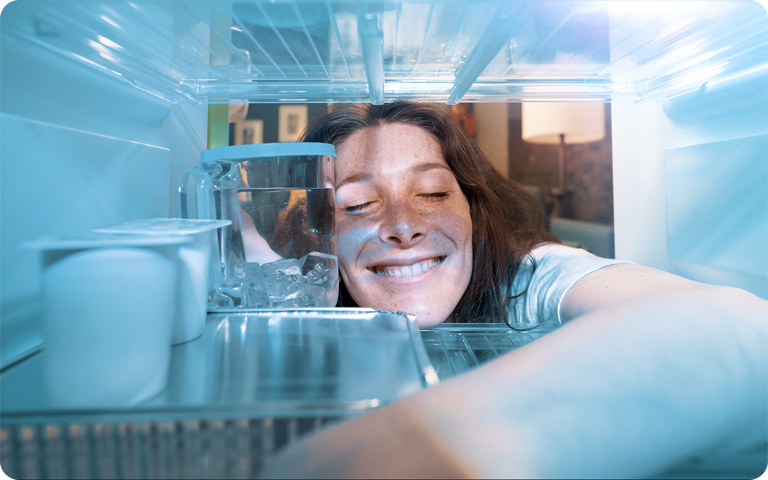
Woman opens LG refrigerator door

Woman opens LG refrigerator door

  • Understand the ideal temperature range for common UK fridges and fridge freezers, including various product types.
  • Learn how to set or adjust the temperature yourself for the best performance.
  • Follow practical tips for storing different types of food to keep them fresh for longer.
  • Discover how to customise your food storage plan with smart features such as Smart Diagnosis, Fast Freeze, and LG ThinQ connectivity on LG’s latest smart fridge range.

Keeping your fridge freezer at the right temperature isn’t just about keeping food fresh; here are some essential tips for food safety, energy efficiency, and preventing waste.


Whether you’ve just upgraded or want to make sure your current appliance is working at its best, this guide will show you how to set, check and maintain the correct temperature for your refrigerator or freezer.

What is the ideal refrigerator temperature?

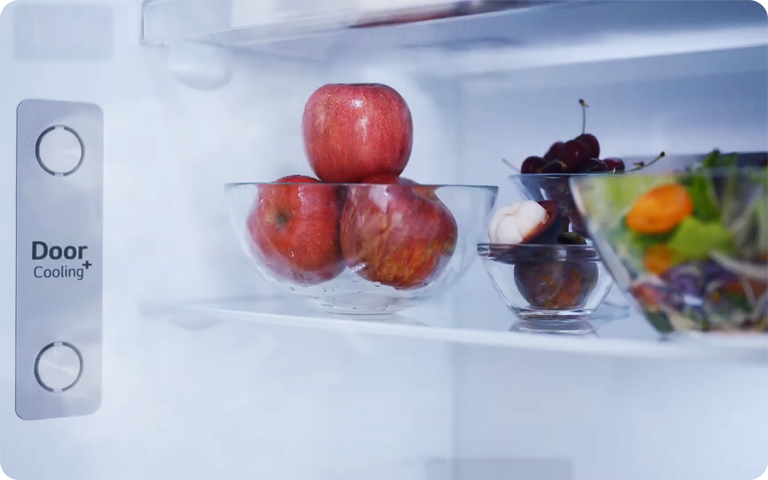
The recommended temperature for a fridge is between 1°C and 5°C, with 3°C being a safe middle ground for most households, fridge models and types of food. This range slows the growth of harmful bacteria like Salmonella and Listeria. LG fridges with DoorCooling+ take this one step further to keep your fresh produce, dairy, and leftovers safe to eat for longer.1

Food ingredients in LG refrigerators

Food ingredients in LG refrigerators

Going above 5°C can lead to food spoilage, while temperatures close to 0°C or lower may cause items such as lettuce, milk or eggs to freeze.2 Environmental factors like ambient temperature and humidity, including how full your fridge is, can all influence its internal temperature. With the help of LG FRESHConverter™, you can even choose different temperature settings for different foods.

How to set the correct refrigerator temperature in three steps

Whether you have a side-by-side refrigerator or one with a bottom freezer, the layout is similar for most models.

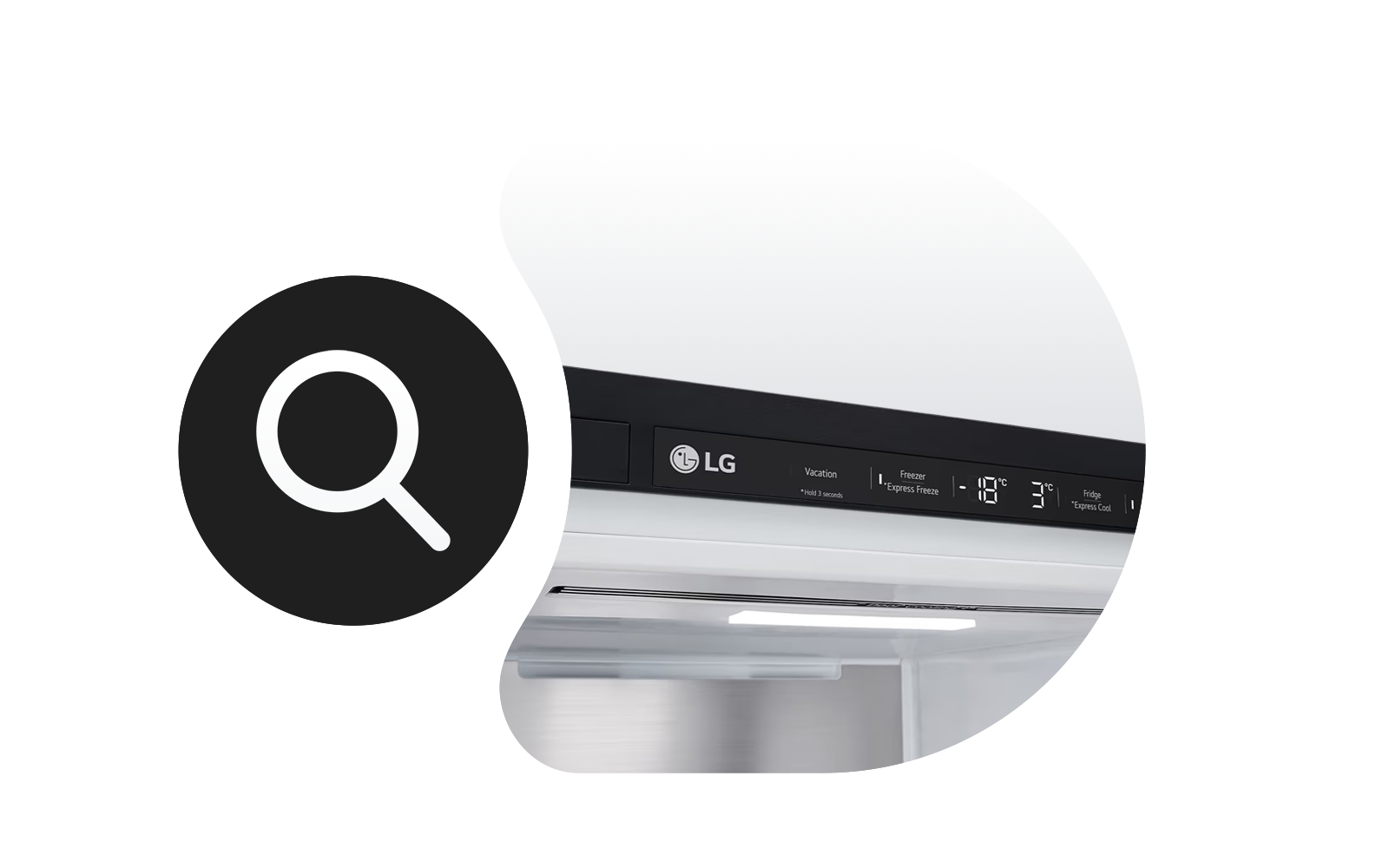
On most common refrigerator models, such as the 2025 LG InstaView line, this is either just inside the fridge door or on the front exterior panel.

Since this is considered a safe, energy-efficient choice for most homes, as mentioned above, 3°C is the recommended go-to temperature unless you are following more specific directions. If your appliance has a “Smart” or “Eco” mode, this step might be done for you already.

Use a thermometer to confirm the internal temperature, ideally placing it in the middle shelf zone, you can check when the temperature has stabilised and the food is ready to be stored. In case of loading a large amount of groceries, or even something like a power outage, be sure to check once more before consuming anything to ensure the proper conditions are being met.

What is the ideal freezer temperature?

Just like with fridges, our freezer can be set to a standard recommended temperature range that fits with most environments. For European households, based on the standard electricity requirements and popular refrigerator and freezer types, -18°C is appropriate for freezing food safely. At this temperature, bacteria go dormant, preserving and maintaining food quality without the risk of freezer burn or premature thawing.

What happens when your freezer is too hot?

Temperatures warmer than -18°C can quickly lead to melted ice cream, mushy frozen veggies and more ice crystals. On the other hand, going too cold increases energy consumption without much added benefit.

What happens when your freezer is too cold?

Thanks to smart features like DoorCooling, which are included in LG fridges and freezers to reach optimal cooling temperature up to 32% faster and more equally than comparable models of the same energy output, LG users can rest assured that their food won’t be freezer-burnt or chilled unevenly.4

How to set the correct freezer temperature in three steps

Whether you have a tall upright freezer, a side-by-side unit, or a chest freezer, most modern models offer accurate digital controls. Here’s how to set yours:

Step 1: Find the control interface.

Unlike with most fridges, this could be on the front of the unit, inside the freezer compartment, or part of a shared fridge-freezer panel.

Step 2: Adjust to -18°C.

Using the arrows or dial, set the freezer temperature to the recommended range. Some models include an Express Freeze setting, which can be used to prepare for storing large quantities of food.3

Step 3: Allow 12 to 24 hours for the new setting to take effect.

It’s helpful to place a freezer-safe thermometer in the middle drawer to ensure even cooling. Checking the temperature regularly, especially during hot weather or if the door is opened frequently, will keep your freezer running smoothly. Overfilling or blocking vents, on the other hand, can lead to uneven temperatures and should be avoided. 

Common myths and misconceptions about fridge/freezer temperature

You may have heard that manual tactics can help you extend the average shelf life, energy efficiency and overall performance of your fridge or freezer. However, be careful who you listen too because there are more myths out there than you might expect.


Myth: Overfilling is the most efficient way to keep the most food cold.

Fact: Airflow is critical for peak appliance efficiency and cooling circulation. Therefore, leave some space between items—especially in the freezer.


Myth: You can only change the temperature on your fridge or freezer directly on the device itself.

Fact: With an AI-integrated smart app like LG ThinQ, you can also easily set the temperature of your fridge from your phone.


Myth: Reducing the temperature lower than the recommended range keeps food extra fresh.

Fact: Lower temperature does not necessarily mean longer or better storage. For the best results, stick to the expert-recommended temperature for your household.


Myth: Adjusting the appliance temperature with fluctuations in the environment can keep food fresh.

Fact: Keeping a consistent temperature allows the appliance to stabilise and maximise the current settings. By changing too frequently, you may spend more energy to cause more harm in the end.


Myth: You need to change the temperature frequently to keep food fresh.

Fact: Actually, keeping a stable temperature in your fridge and freezer is key to maintaining optimal freshness. LG models that feature LINEAR Cooling™ ensures temperature differences are reduced to ±0.5 degrees.4

How to maintain the correct temperature for different foods

Here are five practical food-based tips for keeping your fridge and freezer in peak condition:

Frozen vegetables in the LG refrigerator

Frozen vegetables in the LG refrigerator

Raw meat and fish

These items should always be stored at the bottom of the fridge, at a range of 1–2°C, to prevent cross-contamination.

Dairy

Products like cheese, milk and yoghurt do best at around 3–4°C. Just make sure to store them away from the door where temperatures fluctuate.

Fruits and vegetables

Fresh produce belongs in designated crisper drawers with moderate humidity at 4–5°C.

Cooked leftovers

Prepared food must be cooled to room temperature before refrigerating. When ready, aim for <5°C storage within two hours.

Frozen foods

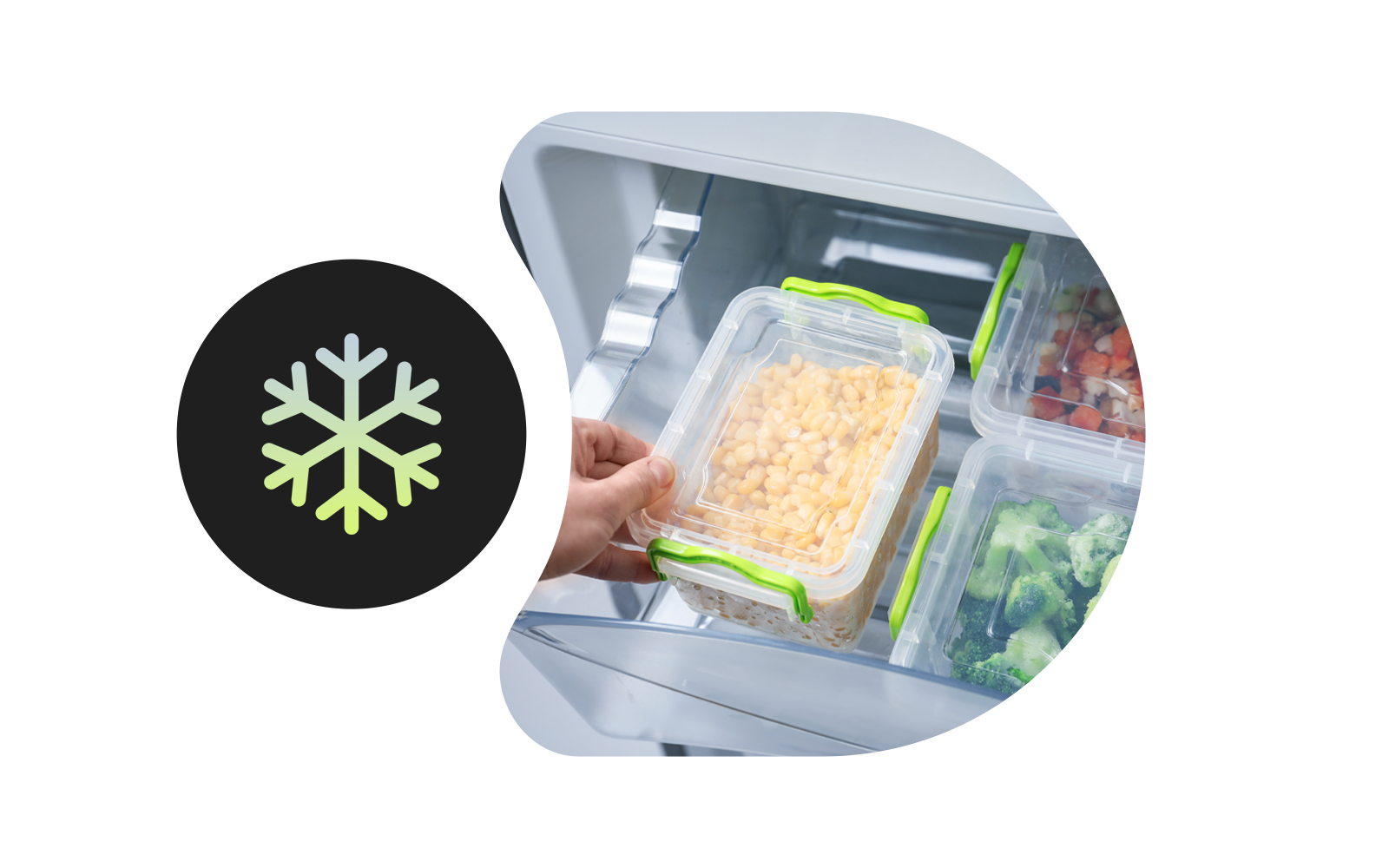
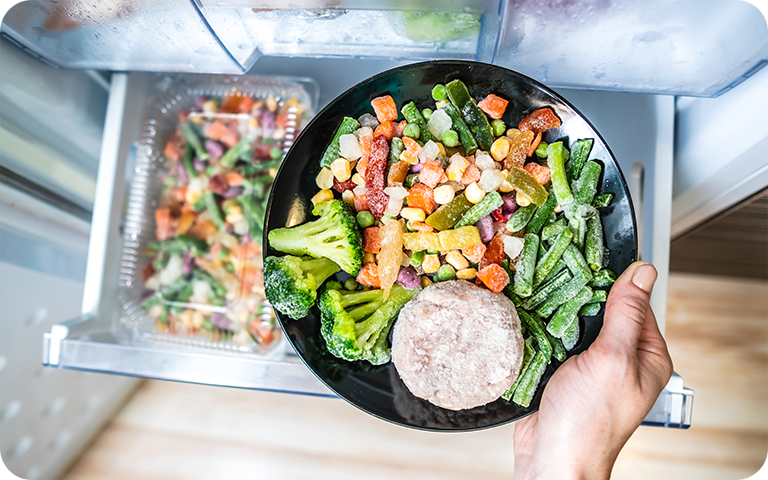
In the freezer, leftovers and freezer-friendly meals should be tightly sealed to avoid freezer burn. You can also stack loosely to help maintain airflow around -18°C.

FAQs

A man reading an LG book

A man reading an LG book

Q: My fridge has a dial from 1 to 5 — what temperature is that?

A: Usually, 3 is the medium setting and roughly equivalent to 3°C. To be certain, use an appliance thermometer to measure.

Q: Why does my fridge get condensation or frost?

A: This could be due to frequent door opening, worn seals, or setting the temperature too low. Keep the door shut as much as possible.

Q: How often should I check the temperature?

A: At least once a month, or more often during summer or if the appliance is older.

However, if you use helpful features like FRESH Converter, which allow for longer storage of meat, fish, or vegetables in specific compartment(s), you can probably stretch out your monitoring period a bit more.

Q: Can I put hot food straight into my fridge or freezer?

A: No, food should always be cool or ambient to the touch before going into the refrigerator or freezer. Otherwise, you risk warming nearby items and affecting overall performance of the appliance.

Q: Should I look for special features to maintain the correct temperature?

A: While most fridges and fridges can be adjusted to meet the optimal temperature ranges mentioned in this article, there are some added features you can look for to keep food extra fresh. For example, LG’s latest smart fridge freezer comes equipped with elevated monitoring, diagnostic and maintenance functionalities thanks to the ThinQ app.

Setting your fridge and freezer to the correct temperature is a small but vital step in ensuring food safety and reducing energy consumption. Using 3°C and -18°C as a rule of thumb, with regular checks, smart storage habits and proper use of your appliance’s settings, will keep your food fresher and your product running smoothly for longer.

Life's Good!

1 Located in the top of the fresh food section, the Door Cooling + vent extends the reach of LG’s Smart Cooling system. Blasts of cool air reach all areas of the refrigerator—including the door—to help maintain consistent temperatures from top to bottom.

2 LG support page: LG refrigerator temperature setting

3 LG support forum: Temperatures and functions in top freezer refrigerators

4 Based on UL test results using LG’s internal testing method of measuring average peak to peak temperature fluctuation in the fresh food compartment between LGE models Bottom Freezer GBP32SWLZN (±0.5℃), French Door GF-L570PL(±0.5℃), Side by Side J811NS35(±0.5℃), Top Freezer B607S(±0.5℃) and Top Freezer B606S(±1.0℃). No load and normal temperature setting. The result may vary in actual usage.

Feature Product

Related Articles