HELPFUL HINTS

    How to Defrost a Freezer


    A glass bowl filled with frozen Brussels sprouts lightly covered in frost, placed on a light gray surface.

    Why Is Your Freezer Frosting Up? 


    Opening your freezer only to find it caked in a layer of ice can be frustrating, but why does this happen? Frost and ice build up in a freezer is usually the result of temperature fluctuation, warm outside air entering the compartment, or issues with the door seal. Every time you open the freezer door, you’re letting in outside air that carries moisture. When this moist air comes into contact with the cold surfaces inside, it condenses and forms frost or ice.


    In many cases, an auto defrost function helps prevent excess ice, but if this feature malfunctions, frost can quickly accumulate. Another key culprit is a damaged or dirty door seal that fails to keep outside air from seeping in. Additionally, frequently opening the freezer door or leaving it ajar for too long encourages unwanted ice build-up.


    For further information on specific symptoms and causes of frost in your freezer, do visit the LG Support page on ice build-up

    Why Should You Defrost Your Freezer? 


    If you’ve noticed frost forming in your freezer, you may wonder why regular defrosting is important. When ice accumulates, it can block vents, damage internal components, and interfere with the fan, all of which reduce the overall freezer performance and can compromise the quality of your stored food. Thick layers of ice also take up valuable storage space, leaving less room for your groceries. 

    There are considerable benefits to defrosting:


    ✓ Can help improve energy efficiency, as your appliance won’t have to work as hard to maintain cold temperatures  

    ✓ Helps maintain safer storage conditions  

    ✓ Increased storage space, making it easier to organise items  

    ✓ Extended lifespan of your freezer, ensuring fewer breakdowns and inconvenience 

    Regular defrosting is a simple way to save on energy bills and keep your freezer running smoothly.

    What You'll Need to Defrost a Freezer 

    Before you begin, take time to gather a few essentials to make the process smoother:

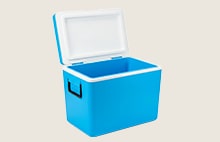
    Ensure you have sufficient space in another fridge or cooler for the temporary storage of frozen goods. 

    Step-by-Step Guide

    How to Defrost a Freezer

    Step 1

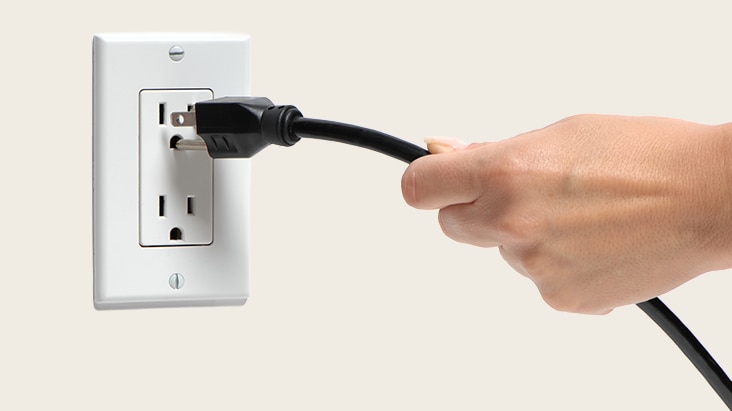
    Unplug the Fridge Freezer


    Before doing anything else, always unplug the appliance. This is crucial for safety and helps prevent any risk of electrical hazards during the defrosting process. If your freezer has a separate power switch, turn it off as well. 

    Step 2

    Remove All Food and Shelves 


    Take out all food items and place them in a cool box with ice packs. This will keep your food cold while you work. Remove as many shelves, drawers, and trays as possible—they’re much easier to clean when detached and will help speed up the melting process. 

    Step 3

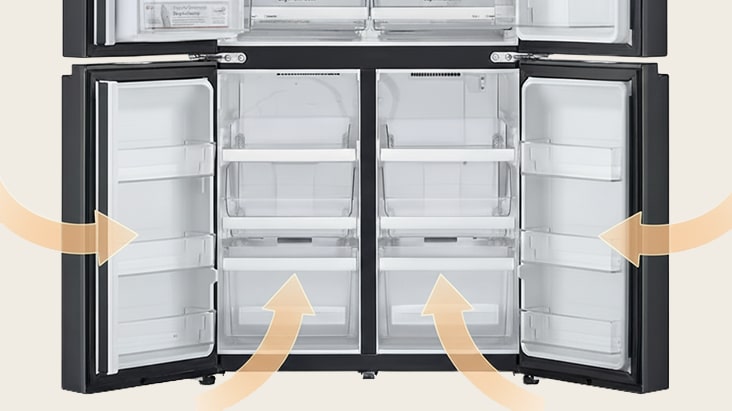
    Leave the Doors Open


    Prop the freezer door open to encourage warm room air to circulate inside, which naturally speeds up the defrosting process. You might wonder, is it safe to leave the freezer door open during this time? Yes, as long as the appliance is switched off and children or pets are kept away, it’s perfectly safe and recommended. 

    Step 4

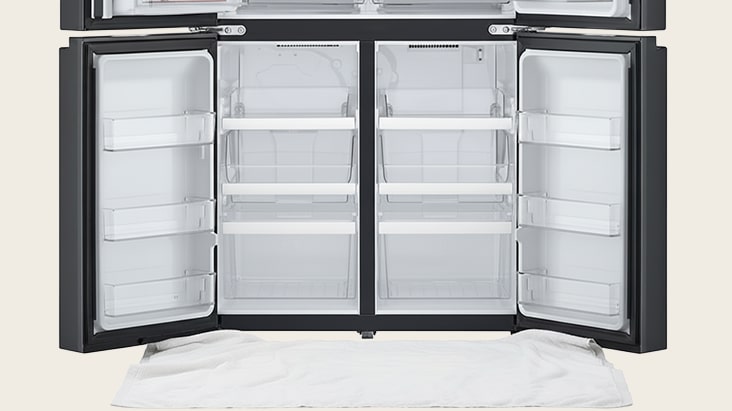
    Place Towels to Absorb Water 


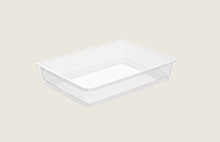
    Lay towels at the base of the freezer and on the floor in front to soak up melting water. If your freezer has a drain hose, direct it into a large container or tray to prevent puddles. Ensure your floor is protected, especially if it slopes towards the freezer or has any gaps where water could seep in. 

    Step 5

    Wait for Ice to Melt 


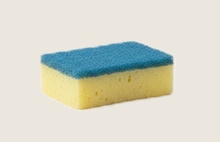
    Allow the ice to melt naturally; this could take several hours. While waiting, you can wash shelves and trays with warm water and washing-up liquid. It is suggested to avoid using metal or sharp tools to prise away ice, as these could cause damage to your freezer. 

    Step 6

    Clean and Dry Interior 


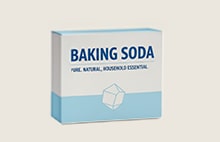
    Once all the ice has melted, wipe the inside with a solution of warm water and a small amount of washing-up liquid. For stubborn odours or stains, a mixture of baking soda and water is effective. Rinse with a damp cloth and dry thoroughly, making sure no moisture remains. 

    Step 7

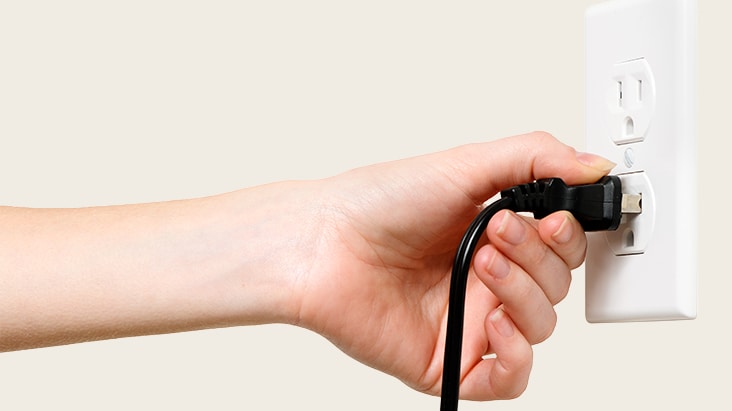
    Plug In and Restart the Fridge Freezer


    When the interior is completely dry, reinsert the shelves and plug your freezer back in. Allow it to reach the desired temperature before returning your frozen foods. This ensures optimal storage conditions and prevents premature frost build-up. 

    Tips to Help You Defrost Your Freezer Effectively 


    ✓ Start the defrost process in the morning for ample time before other tasks

    Avoid knives or sharp tools; use a plastic spatula instead

    Speed up melting by leaving doors open or using a portable fan

    ✓ Place extra towels or cloths at the base; replace when soaked

    ✓ Use the downtime to clean behind and beneath your appliance

    How to Prevent Ice Build-Up in the Future 


    Prevention is key to keeping your freezer in top shape. Here’s what you can do:  


    ✓ Always close the freezer door properly and avoid prolonged openings

    ✓ Regularly check the door seal (gasket); clean it and replace if damaged

    ✓ Store food only once cooled to room temperature—never put warm food inside

    ✓ Set the freezer to the recommended temperature (usually -18°C) and avoid overloading

    ✓ Schedule regular defrosts if your model isn’t frost-free


    Managing these habits can reduce ice build up and the effort needed for regular maintenance. 

    How to Defrost a Freezer Quickly 


    If you’re short on time, there are ways to speed up the defrosting process. Follow these safe methods: 

    Do


    ✓ Use a portable fan to direct warm room air into the freezer compartment.  

    ✓ Place a bowl of hot (but not boiling) water into the freezer and close the door (keep watch to ensure safety and change water as it cools). The steam helps loosen ice faster.  

    ✓ Use a plastic spatula or scraper to gently nudge melting ice, never force or pry.  

    ✓ Always protect the floor with towels and check frequently for water overflow.

    Don't

    ✓ Don’t use knives, metal spatulas, or any sharp object, they can puncture the lining or coolant lines.  

    ✓ Don’t use hair dryers, heat guns or open flames, these present a fire and electric shock hazard.  

    ✓ Don’t try to forcefully knock or break thick ice, it could cause damage.  

    ✓ Don’t place very hot or boiling pans directly onto plastic parts; they can warp or crack under sudden temperature changes. 

    Should You Consider a Frost-Free Fridge Freezer? 

    Manual defrosting can be time-consuming. If you’d prefer to avoid it altogether, a frost free freezer or frost free fridge freezer is an excellent solution. These models use auto defrost technology, periodically warming the internal coils to prevent ice from forming. This means you never have to switch off your appliance or empty your freezer just to remove frost.


    Interested in an upgrade? Discover the benefits of LG's frost free fridge freezer

    FAQ

    Q.

    How long does it take to defrost a freezer?

    A.

    The defrosting time depends on the thickness of ice, freezer size, and the ambient indoor temperature. For most household freezers, the process takes anywhere from 2 to 24 hours. Thicker ice and larger freezers will take longer. Speeding up the process safely (using warm water or a fan) can reduce the defrost time significantly.

    Q.

    How often should I defrost my freezer?

    A.

    Generally, you should defrost your freezer once or twice per year, or whenever frost builds up to more than ¼ inch (about 6mm) thick. If you find yourself defrosting more often, it could indicate a fault with your door seal or auto defrost function, check your user manual and inspect your freezer. 

    Q.

    Can I defrost a freezer without turning it off?

    A.

    While some people attempt to defrost with the freezer switched on, it’s not recommended. It’s safer and more effective to turn off and unplug your freezer to prevent electrical hazards and ensure thorough defrosting. 

    Q.

    How to defrost a freezer without getting water everywhere?

    A.

    To keep water contained, use towels around and inside the base of the freezer, and place a large shallow tray under the drain outlet if your model has one. Change the towels as soon as they get soaked to prevent excess water from spilling onto the floor. 

    Related Articles