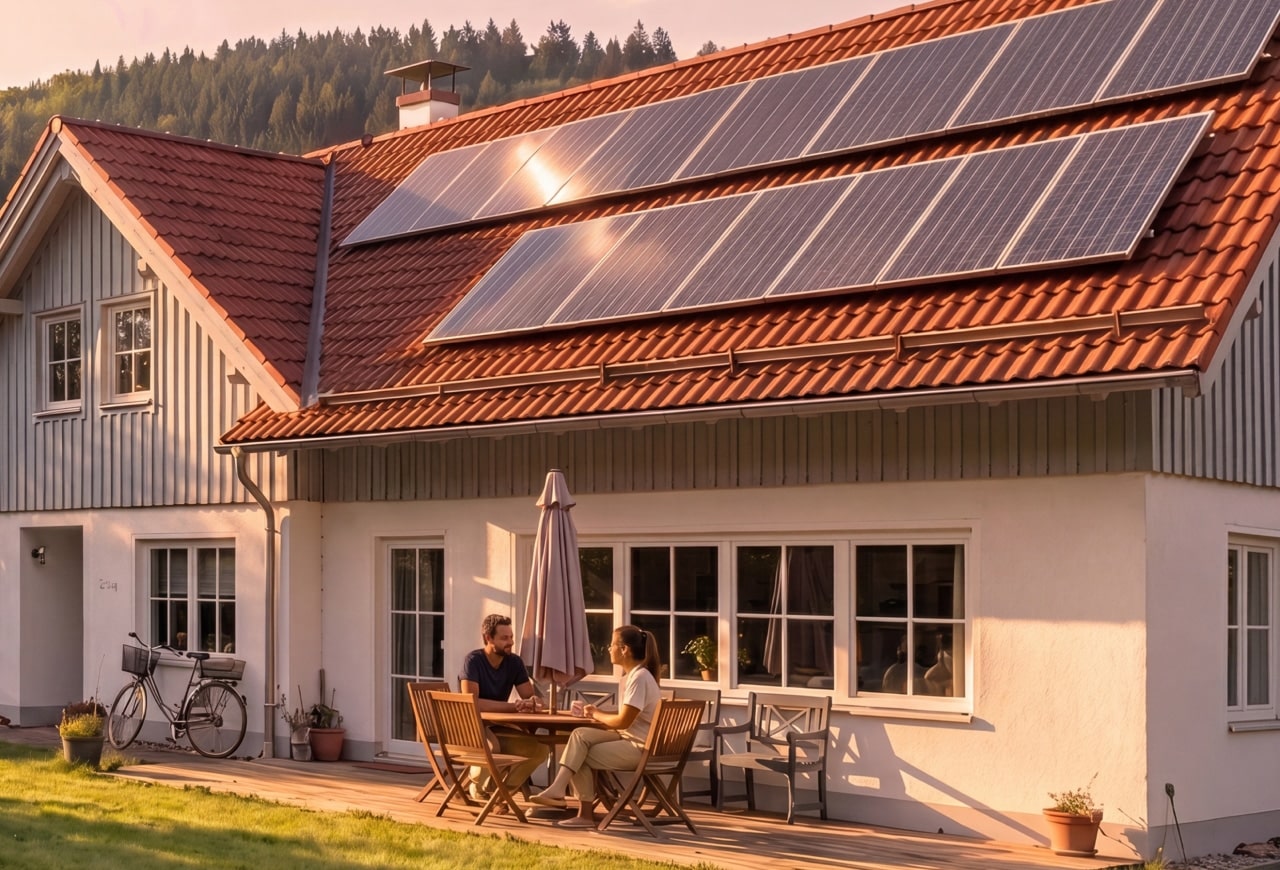
A white detached house with a red-tiled roof and rooftop solar panels sits in a grassy yard surrounded by dense forest.
Monthly LG | July

The house that learned to use less

Every home has its own rhythm. LG helps that rhythm run a little more efficiently.
*Sponsored by LG

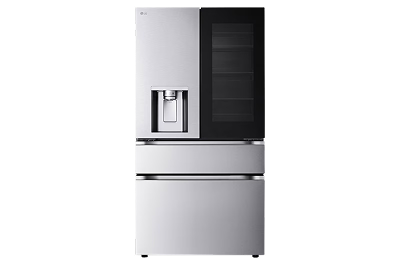
Black smart refrigerator with a touchscreen display.
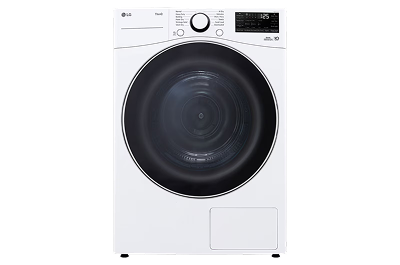
White front-load dryer.

*This content includes AI-generated images for illustrative purposes.

Smiling man in a navy blue T-shirt.

Thomas Brauer

My name is Thomas Brauer. For the past fifteen years, I've worked as an energy efficiency consultant in Munich — advising households, landlords, and small businesses on how to reduce their energy footprint. I spend most of my working week analysing where energy is wasted and recommending practical steps to address it. With energy prices climbing and global attention on energy use higher than ever, the gap between what people think they consume and what they actually consume has never felt more relevant.

At home, I try to practice what I preach. A few years ago, I installed solar panels on the roof, but soon realised that producing energy and using it efficiently are two different things. Everyday appliances like the refrigerator and dryer still consume significant power. While checking my energy monitoring app, I kept asking myself one question:

"Am I really making the most of the energy I produce?"

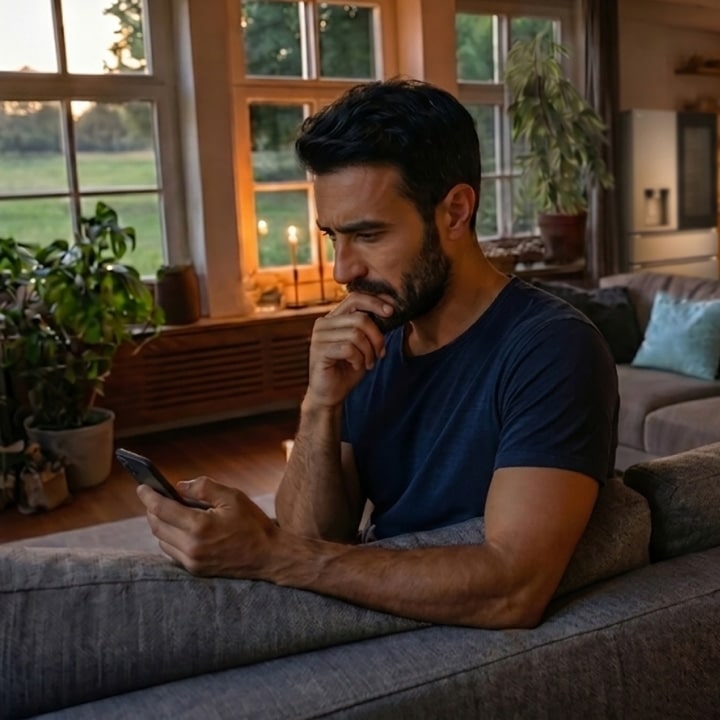
Man sitting on a sofa and looking at a smartphone.

*This content includes AI-generated images for illustrative purposes.

The dryer that changed the bill

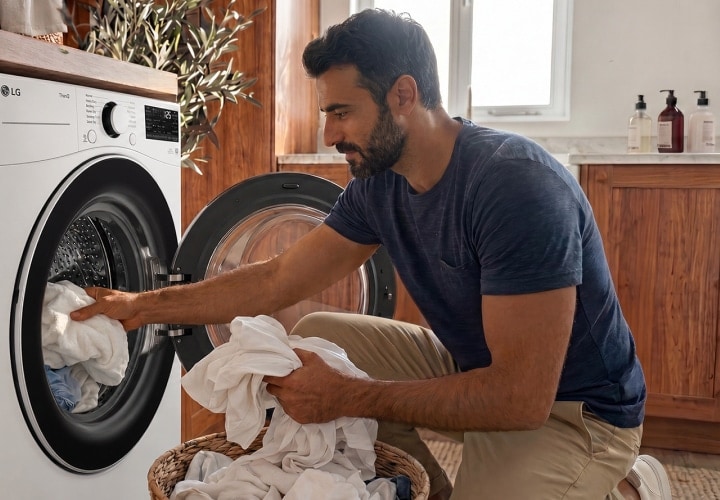
A man loads white laundry into a front-load dryer while kneeling beside it in a warm, sunlit laundry room.

The dryer was the first thing I replaced at home. I advise clients on appliance efficiency every day — but applying those same standards to my own home made the difference even more tangible. The old one ran long cycles regardless of how much was inside, and I found myself checking on it repeatedly throughout.

What struck me most about the LG dryer was the sense that it was working 'efficiently'. The AI DUAL Inverter Heat Pump™ technology recycles the heat generated during drying rather than producing new heat from scratch each cycle. That means higher energy efficiency — and because it operates at lower temperatures, less wear on the clothes as well.

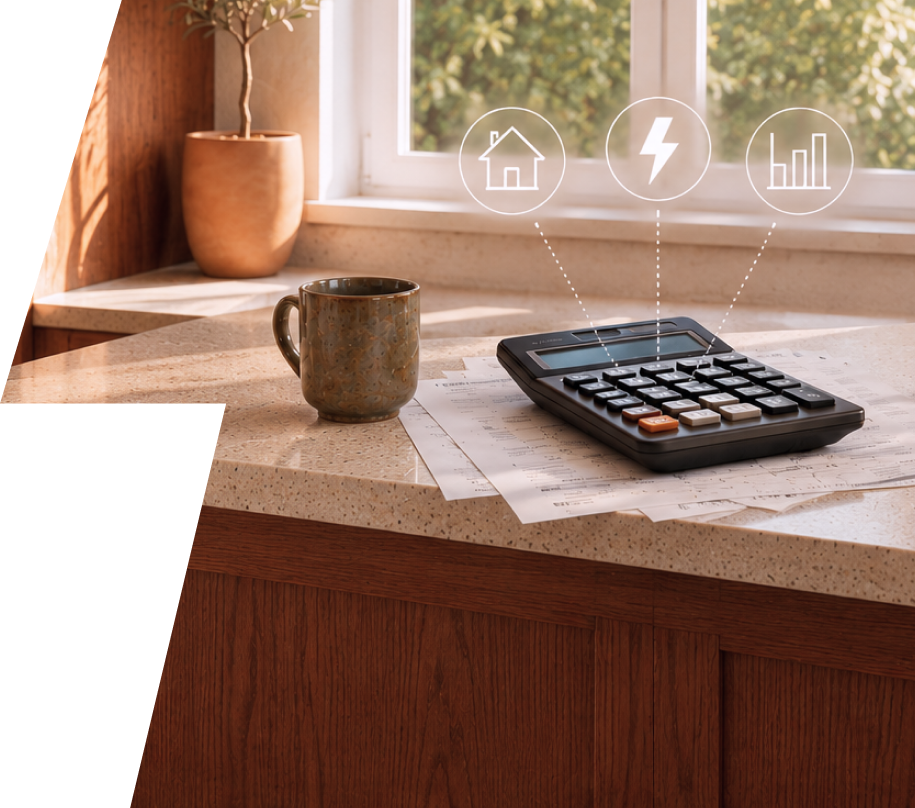
A calculator sits on top of printed documents near a window, with overlay icons representing a home, energy usage, and data analytics.
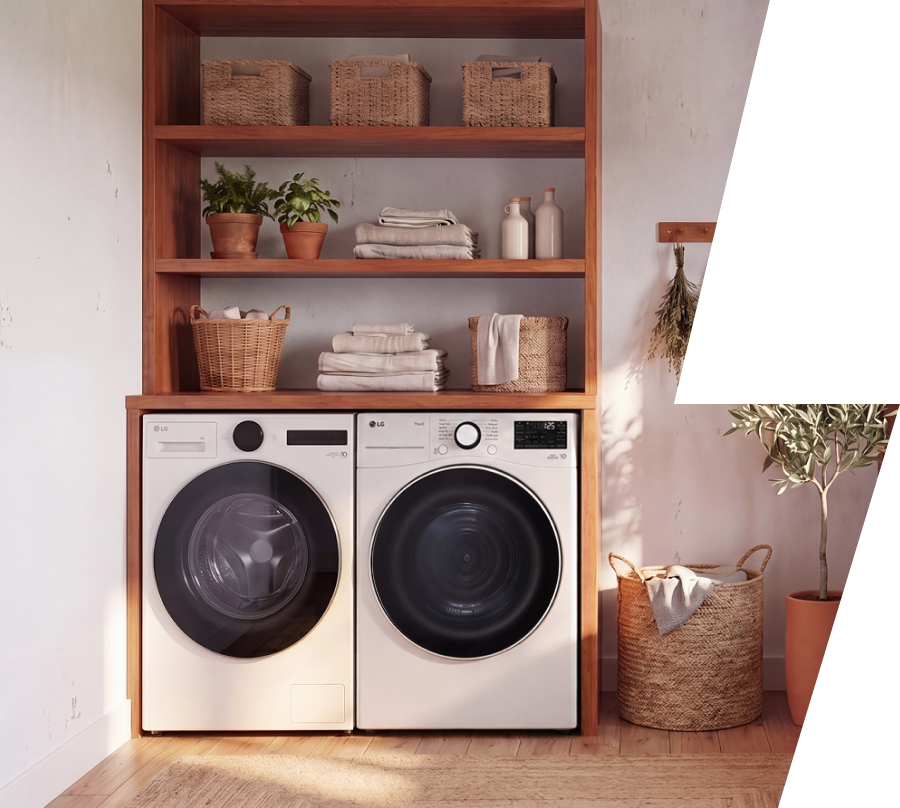
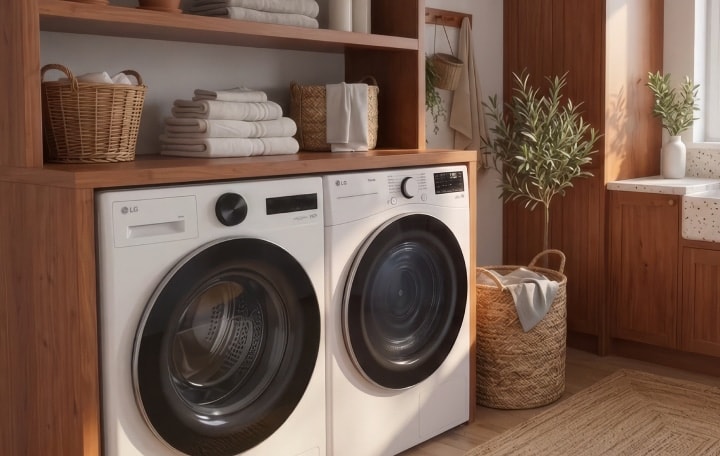
A white front-load washer and matching dryer are built into a wooden laundry cabinet, surrounded by neatly folded towels, woven baskets, and decorative plants.

AI Dry™ was the other feature I noticed quickly. It senses changes in temperature and humidity during the cycle and adjusts the drying time and temperature accordingly. A light load of summer shirts doesn't get dried the same way as a full load of towels. That distinction, handled automatically, made a real difference.

*This content includes AI-generated images for illustrative purposes.

A circular portrait of a man with dark hair and a beard, looking off to the side with a thoughtful expression.

"Every time I used to run a cycle, the energy use was always in the back of my mind. Now it just feels like it's running as efficiently as it needs to — no more, no less."

Energy Saving Tip: Consider upgrading to a heat pump dryer

Heat pump dryers work differently from conventional vented dryers — rather than generating heat from scratch and exhausting it, they recycle warm air through the drum. This fundamental difference in how they operate results in lower energy consumption, delivering significant savings over time.

The fridge that keeps the cold inside

The refrigerator is the appliance that runs longest in any home — every hour of every day. It's the first thing I tell clients to look at when reviewing household energy use. Once I started paying attention to energy use at home, I also started noticing how often I was opening the fridge door.

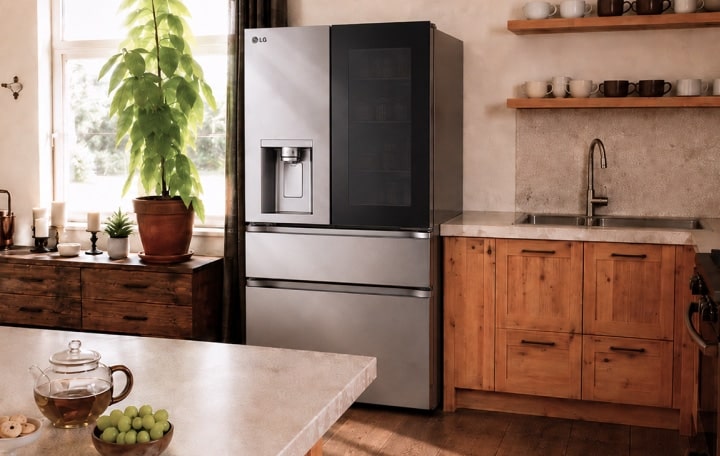
A sleek black LG refrigerator installed in a warm, modern kitchen with wooden cabinetry and natural sunlight.

Switching to an LG refrigerator completely changed that habit, and I stopped opening the door needlessly. The InstaView™ panel lights up with two knocks — you can see what's inside without opening the door. My wife uses it every morning. The door stays closed. The cold stays in.

LinearCooling™ keeps the internal temperature more consistent, while DoorCooling+™ distributes cold air through vents in the door itself — reaching the parts of the fridge most vulnerable to temperature fluctuation. The Smart Inverter Compressor™ adjusts its output to match what the fridge actually needs at any given moment, rather than running at a fixed rate.

*This content includes AI-generated images for illustrative purposes.

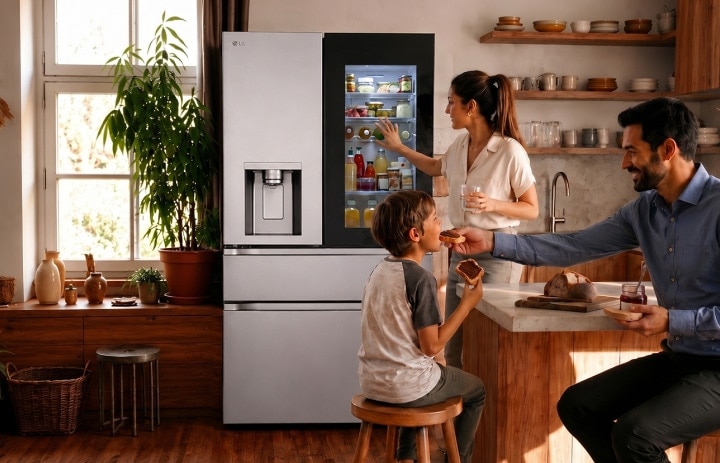
A family in a warm, modern kitchen, with a woman reaching for items in a black LG refrigerator while a man feeds a young boy at the kitchen island.
A circular portrait of a smiling man with dark hair and a well-groomed beard, looking off to the side.

"Before, I’d open the fridge and stand there for a while. Now two knocks and I know what I need."

Energy Saving Tip

1. Opening the fridge door lets cold air escape and the compressor works to restore the temperature each time. InstaView™ lets you check what's inside with two knocks, without opening the door at all.
2. A fridge that maintains a stable internal temperature tends to run more efficiently than one where the temperature fluctuates frequently. LinearCooling™ is designed to keep that variation minimal — supporting consistent cooling performance over time.

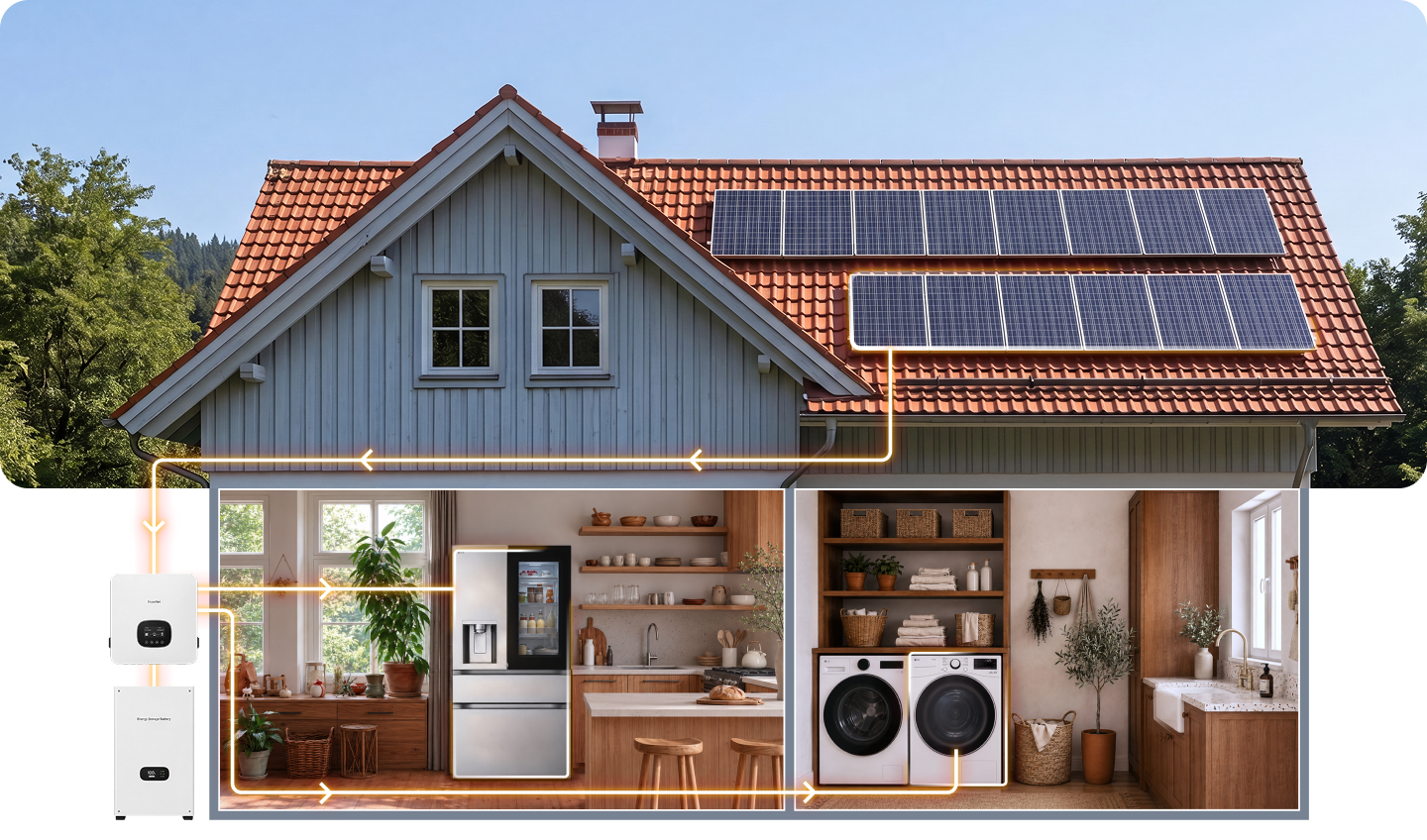
Cutaway illustration of a house showing rooftop solar panels generating electricity, which is stored in a home battery and distributed to energy-efficient appliances including an LG refrigerator and washer-dryer.

*This content includes AI-generated images for illustrative purposes.

What changed in the house

During the day, the panels generate electricity — surplus goes to the home battery. After dark, that stored energy keeps the house running without drawing from the grid. The appliances make better use of every unit, and the moments of unnecessary energy waste have quietly decreased. Experiencing it firsthand only reinforced what I already knew from work.

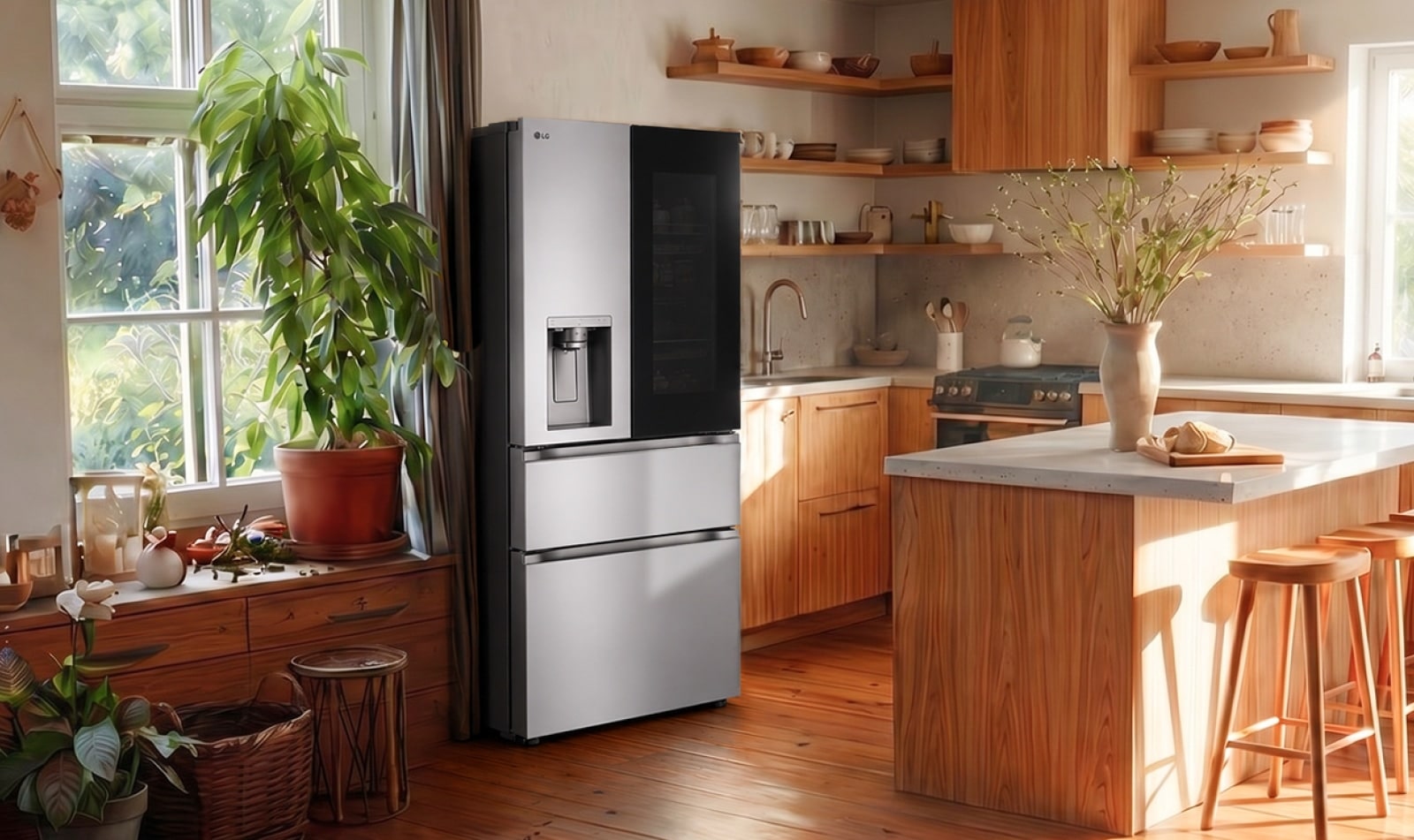
A sleek matte black LG refrigerator placed in a well-lit, rustic-style kitchen with wooden cabinetry.
A white LG front-load washing machine and a matching LG dryer installed side-by-side in a wooden laundry room.

*This content includes AI-generated images for illustrative purposes.

More than anything, what changed was the feeling. There used to be a low-level worry about the electricity bill that I'd carry around without really thinking about it. That's mostly gone now — not because the problem was solved all at once, but because the appliances stopped making it worse.

Even in a household with solar panels, if the difference in efficiency is this tangible, the impact in a conventional home would likely be even greater. What matters in the end isn't how much energy you generate — it's how efficiently you use it.

A circular portrait of a smiling man in a dark blue t-shirt looking down at his smartphone.
A circular portrait of a man with dark hair and a beard, smiling as he brushes his hand through his hair.

"The panels do their part during the day. The appliances do their part around the clock. That combination was what I was missing."

Energy Saving Tip

Use the LG ThinQ app to track your appliances' energy consumption in real time. If you have solar panels, it helps align appliance usage with peak generation hours — and without solar, it's just as useful for spotting when appliances draw the most power, so you can decide when to run them.

Use less.
Enjoy more.

Once the appliances started fitting naturally into the rhythm of the house, the weight of thinking about energy use became much lighter.

A couple sitting at a table on a patio outside their home, which features solar panels on its tiled roof.

Under the summer sun, the panels keep generating. The dryer and the fridge work efficiently, doing what's needed and not more.

The LG ThinQ app lets me check the status of both at a glance, which has simplified the daily routine more than I expected.

*This content includes AI-generated images for illustrative purposes.

A circular view of a couple sitting at a table under an umbrella on a patio at night, illuminated by a warm light.

“Saving perfectly isn't the goal. Fitting naturally into life without getting in the way — that's enough. There are far fewer moments where I have to think about it. And I suppose that's what a good appliance really is.”

Discover energy-efficient living with LG

How to Make Home Energy Use More Efficient

Q.

How does the AI DUAL Inverter Heat Pump™ save energy?

A.

Unlike conventional dryers that generate new heat from scratch each cycle, the AI DUAL Inverter Heat Pump™ recycles warm air from inside the drum — extracting moisture and reusing the heat continuously. This results in the top energy efficiency rating of A+++-10%, using significantly less electricity per cycle without compromising drying performance.

Q.

What does AI Dry™ do and how does it help?

A.

AI Dry™ senses changes in temperature and humidity throughout the drying cycle and automatically adjusts the time and temperature to match the actual load. A lighter summer wash finishes faster and uses less energy than a heavy load of towels. Rather than running a fixed programme, the dryer uses only what the laundry actually needs — nothing more.

Q.

How do InstaView™ and LinearCooling™ reduce the fridge’s energy use?

A.

InstaView™ lights up the interior with two knocks on the glass panel, so you can check what’s inside without opening the door — reducing cold air loss every time. LinearCooling™ maintains the internal temperature within ±0.5°C, keeping the compressor from cycling more than necessary. Together, they address the two main sources of energy waste in a refrigerator: door-opening and temperature fluctuation.

Q.

How does the LG ThinQ app help manage energy use?

A.

The LG ThinQ app connects both the Heat Pump Dryer and the Fridge Freezer to your smartphone, so you can check and control them remotely. For the dryer, you can monitor cycle progress, receive a completion notification, and download optimised drying programmes. For the fridge, you can check the temperature in real time and adjust the cooling mode — without going to the kitchen.

Q.

What is the most effective way to reduce home energy consumption?

A.

Generating your own energy — through solar panels, for example — helps reduce dependence on the external grid. But the total amount of energy consumed still depends on how efficiently your appliances run. In other words, combining on-site energy generation with genuinely efficient appliances is the most effective approach — and the difference is something you can feel in your electricity bill.