We use cookies, including cookies from third parties, to enhance your user experience and the effectiveness of our marketing activities. These cookies are performance, analytics and advertising cookies, please see our Privacy and Cookie policy for further information. If you agree to all of our cookies select “Accept all” or select “Cookie Settings” to see which cookies we use and choose which ones you would like to accept.

Helpful Hints
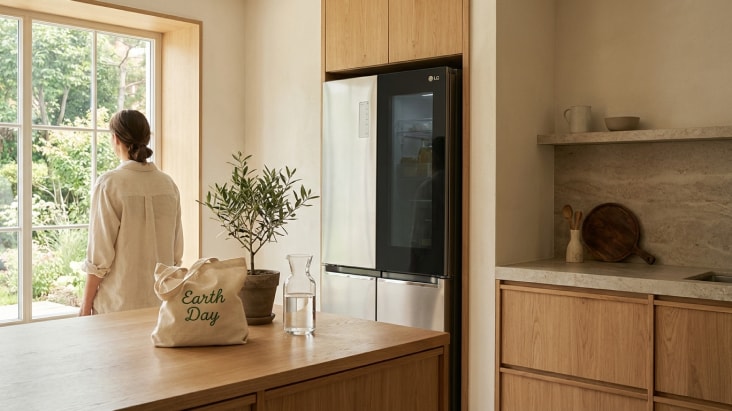
Earth Day at Home: LG Electronics tips to help reduce energy use with energy-efficient appliances*
*Please refer to the Energy Rating Label for specific consumption data. Actual energy efficiency may vary and subject to individual usage patterns, enegery tariffs and household size.
What Are Energy-Efficient Appliances?
Energy-efficient appliances are developed to minimise power consumption wherever possible and meet recognised standards such as the Energy Rating Label, regulated under the Greenhouse and Energy Minimum Standards (GEMS) Act 2012. Energy performance is measured and displayed through the Energy Rating Label (the star rating system), while water efficiency for certain appliances (such as washing machines and dishwashers) is rated under the Water Efficiency Labelling and Standards (WELS) scheme.
Many modern appliances are engineered with advanced features such as inverter motors, smart sensors, and optimised operating modes to help with efficient resource consumption.
Why Energy-Efficient Appliances Matter on Earth Day
Data from the International Energy Agency indicates that home appliances account for about 20% of residential energy use1), so making smarter choices can have a measurable impact when multiplied across millions of households. Using appliances with higher energy ratings may help contribute to reduced household electricity use.
1) Source: IEA, “How appliances have supported a world in lockdown and what this means for energy efficiency”
Benefits of Energy-Efficient Appliances
Lower Emissions at Home and Beyond
The benefits of energy-efficient appliances can be both environmental and financial. These appliances may help by consuming less energy and water. Key benefits include:
- Reduced environmental impact: Depending on your usage and energy mix, you may lower your household’s emissions by upgrading to modern appliances.*
- Improved performance: Many models offer faster, quieter, and more reliable operation.**
- Support for the future: Every energy-efficient choice may contribute to protect the planet for future generations.
According to the US Department of Energy, homes with energy-efficient appliances may lower associated emissions annually depending on usage and energy mix.
*Actual savings vary depends on usage pattern, household size, and maintenance. Please refer to energy rating details.
**Improved performance based on testing environment, acutal result may vary.
LG Innovation
Which Features Do Energy-Efficient LG Appliances Have?
LG appliances include cutting-edge features designed for resource optimisation and savings depending on individual household use and energy mix. Key innovations include:
- AI DD™ Technology
- LG’s AI-powered system detects fabric softness and load weight to optimise wash patterns and contribute to reducing water and energy use.
- Inverter Direct Drive™ Motor
- This advanced motor technology provides precise control, high efficiency, and quieter operation, which can help drop energy consumption.
- Heat Pump Dryer Efficiency
- These dryers typically use low temperatures and recycle heat, helping save more energy than condenser dryers according to energy efficiency studies2).
- LG ThinQ® Smart Appliances
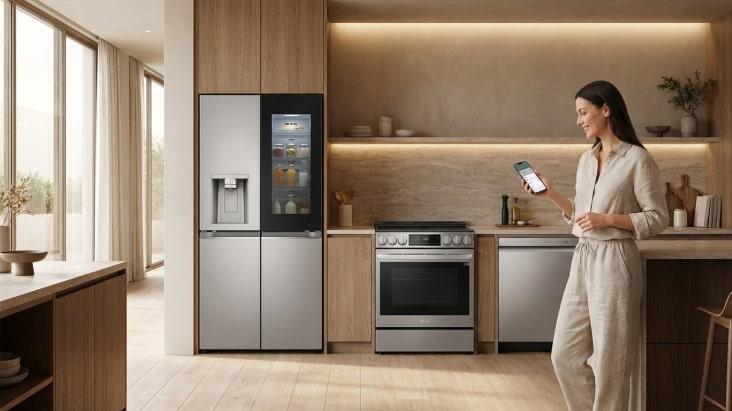
- Monitor and manage energy use via your smartphone to optimise efficiency even when you are away from home.*
While technology supports reducing consumption of resources, energy savings may vary by model, cycle and usage.
2) Source: ENERGY STAR (U.S. EPA), “Heat Pump Dryer”
How to Use Appliances More Efficiently
Easy Energy-Saving Tips at Home
The main benefit of energy-efficient home appliances is realised when combined with smart habits. Use these everyday tips to maximise your impact:
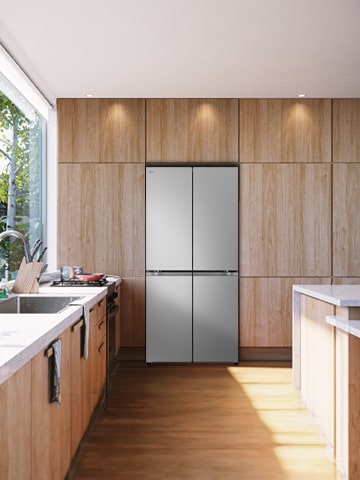
Energy-Saving Tips for Refrigerators
• Keep your fridge between 3°C and 5°C, and your freezer at -18°C.
• Don’t overload shelves; allow air to circulate freely.
• Have the refrigerator professionally serviced on a regular basis to clean condenser coils and replace worn seals to prevent cold air leaks.
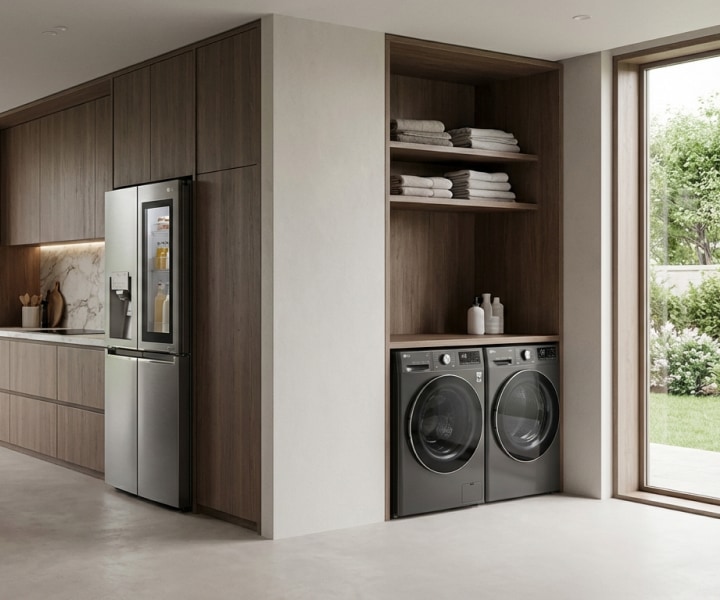
*Overseas model shown.
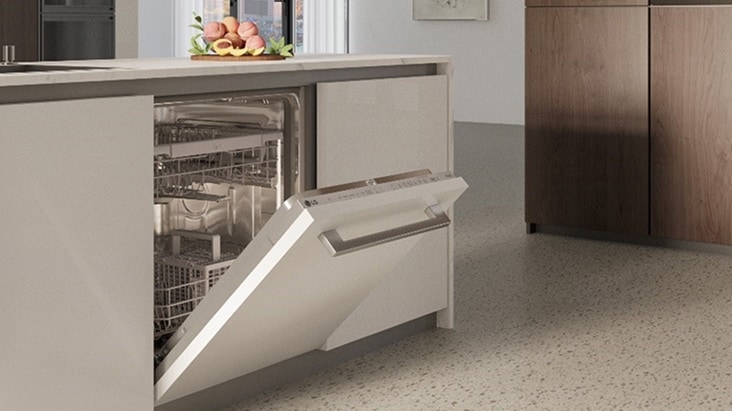
Energy-Saving Tips for Dishwashers
• Run full loads and use energy-saving cycles3).
• Skip the pre-rinse in the sink — let the dishwasher do the work.
• Use Auto Door Open to support energy-efficient drying.
3) Service features on dishwashers may vary depending on countries, models, versions, etc.
*Overseas model shown.
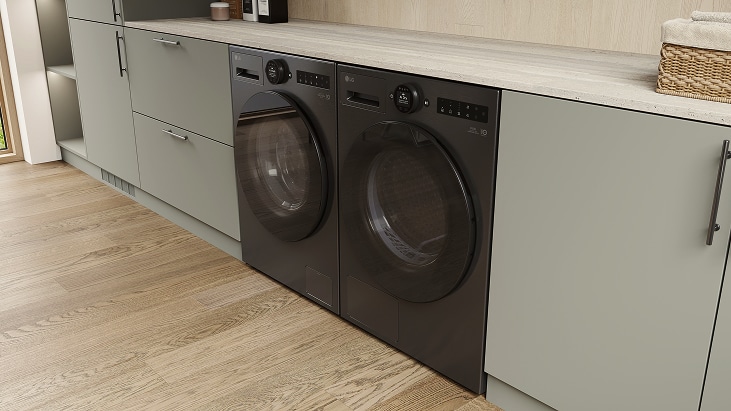
Energy-saving tips for washing machines and dryers
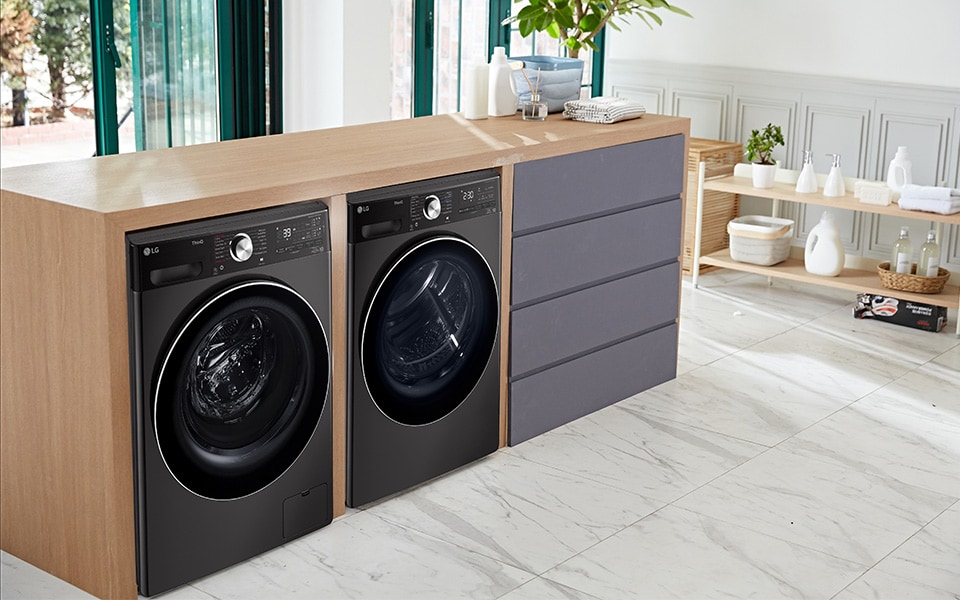
• Wash with cold water, select the shortest appropriate cycle, and always run full loads.
• LG’s AI DD™ and Inverter Direct Drive™ technologies automatically adjust water and energy use to suit each load.
• Clean the filter regularly to help maintain efficiency.
*Overseas model shown. AI sensing on select models and cycles, for loads under 3kg only. Results vary by fabric type and load
Discover Efficient Appliances from LG
LG offers a wide selection of appliances designed for modern, efficient living. Standout models for your home include:
LG 5-Star+ Energy Rated Refrigerators
LG 5-Star Energy and Water Rated Washing Machines
LG Heat Pump Dryers
Pro-Tips for Efficient Appliance Use
✓ Schedule off-peak use: Run major appliances during off-peak electricity hours for additional savings.
✓ Upgrade old models: Replacing older less efficient appliances with newer, higher rated appliances can impact energy and water usage and especially, don't forget the older fridge in your garage is often a hidden energy user, easy to overlook.
✓ Use Smart Features: Take advantage of LG ThinQ® to monitor and optimise energy use remotely.*
✓ Maintain Regularly: Clean filters and check seals to keep appliances performing at their best.
*LG ThinQ® app available on compatible Android or iOS smartphones. Phone and Home Wi-Fi Data connection and product registration with LG ThinQ® required. Visit lg.com/au/lg-thinq for features, system compatibility and service availability which may vary by country and model.
*Overseas model shown.
Regular Maintenance and Care Tips
✓ Refrigerators: Clean condenser coils every 6 months and check door seals for leaks.
✓ Washing Machines: Run an empty hot wash with the LG Tub Clean cycle monthly.
✓ Dishwashers: Rinse filters weekly to prevent odours and redeposit of food.
✓ Dryers: Clear the lint filter after every load and check the vent for blockages regularly.
FAQ
What is Earth Day?
Earth Day is an annual global event held on April 22nd to raise awareness and inspire action for environmental protection.
Do energy-efficient appliances really save money?
Yes. Upgrading to energy-saving appliances, or appliances with higher energy ratings than your current appliances, can help lower household energy costs. Of course, energy savings depend on indivudal household usage patterns, energy mix, tariff and model efficiency.
How can I reduce my carbon footprint at home?
Choosing appliances with higher energy ratings, turning off unused devices, and following maintenance and usage tips may help reduce household electricity use and is one common way to reduce your carbon footprint at home. Depending on how they are used and your electricity source, this can contribute to lower associated greenhouse gas emissions.
What makes LG appliances efficient?
When developing home appliances for the Australian market, LG endeavours to develop products that help to minimise power consumption wherever possible and meet recognised standards such as the Energy Rating Label.
Many LG appliances utilise advanced technologies such as Inverter Direct Drive™, AI DD®, and Heat Pump efficiency to help save energy and water.
1) Source: IEA, “How appliances have supported a world in lockdown and what this means for energy efficiency”
2) Source: ENERGY STAR (U.S. EPA), “Heat Pump Dryer”
3) Service features on dishwashers may vary depending on countries, models, versions, etc.