Part 19. [Mobility Inside] Smart Factory

by Soonin Chung Professional Researcher, Vehicle component Solutions Company, LG Electronics
MobilityBlog10/02/2022
01

│ Smart factory for the production process of several automobile brands

Through the Mobility Inside series, we are studying the future of automobiles. In the future, not only will automobiles become smart, but even the process in which they are produced will become more efficient. It's all thanks to the smart factory.


A smart factory refers to an intelligent production factory that improves productivity, quality, and customer satisfaction by applying ICT to production processes such as design, development, manufacturing, and distribution. In other words, it connects factories that produce future automobiles and parts through networks, automates them through artificial intelligence, and implements a virtual world to find problems and immediately supplement them.


Not only LG Electronics but many global premium automobiles brands are also operating smart factories. Let's take a look at the smart factory of each brand.

BMW

02

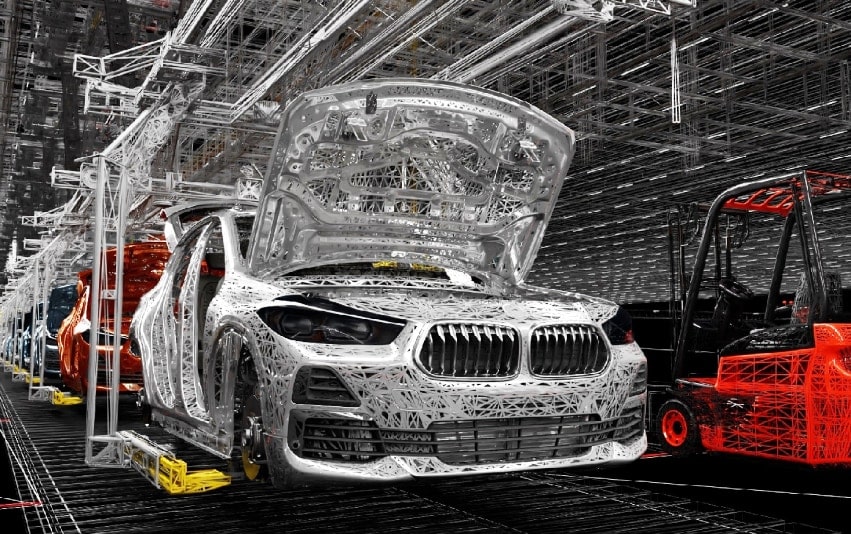
│ BMW's smart factory that establishes automobiles’ future production plans using digital twin technology (Image source: BMW website)

Using digital twin technology, BMW has built a virtual facility that operates in the same way as a real production site. It establishes future production plans using virtual facilities built in this way. The predictive hit rate is excellent as it is expressed very precisely like a real factory.


In addition, the virtual facilities could save both time and money by having virtual tests of the new parts and systems. Managers could even detect installment problems and other miscellaneous errors before the parts and systems are implemented. In addition, since these virtual facilities can be accessed anytime, anywhere, managers from around the world can check data synchronized to the cloud in real-time without having to go to the factories in person.

Mercedes Benz

03

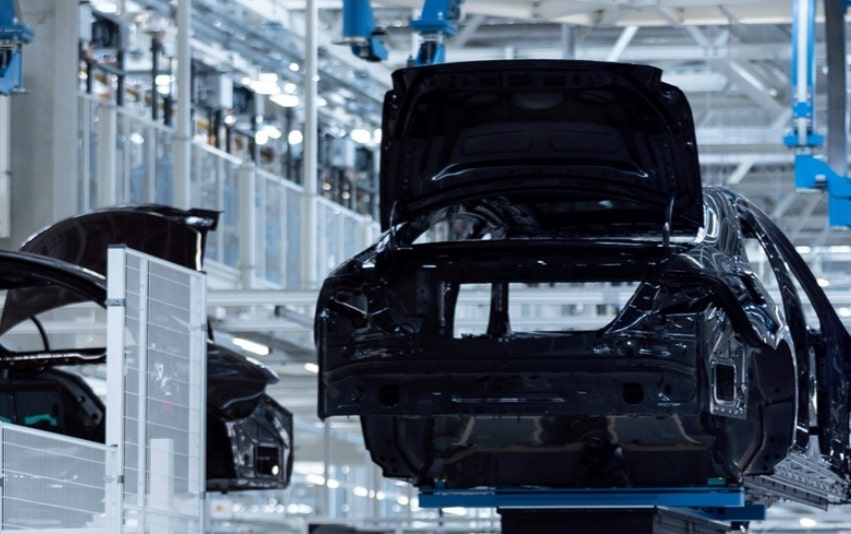
│ Mercedes Benz’s ‘Factory 56’ sets a new standard for automobiles production (Image source: Mercedes Benz magazine)

Mercedes Benz's Factory 56, which opened in September 2020, aims to capture 'sustainability, flexibility, efficiency, and digitalization'. Focusing on ‘sustainability’ and ‘eco-friendliness’, the factory supplies 30% of the total energy consumption of the facility through solar panels installed on the roof. It also stores additional power in recycled automobile batteries.


In addition, 40% of the energy produced on the roof of the factory is used to separate polluted water and rainwater through the roof greening project. This separated rainwater relieves the burden with the surrounding irrigation channel and is used to create new green spaces. Recycled concrete was also used for the exterior walls of the factory. Documents are also digitized to save 10 tons of paper per year.

04

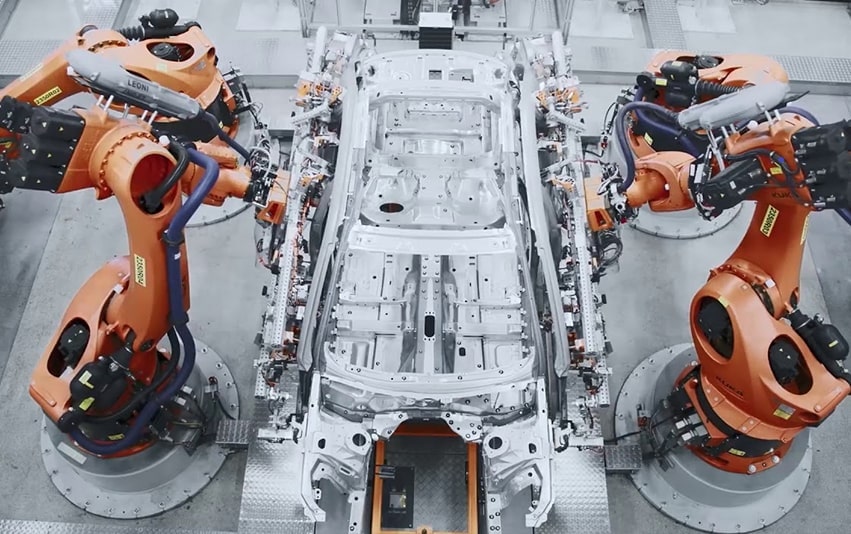
│ The manufacturing process for automobiles in ‘Factory 56’ (Image source: Mercedes Benz magazine)

Everything that occurs within the factory is stored in the cloud. Since the stored data can be accessed anytime, anywhere, inventory and quality control information is becoming more transparent, increasing production efficiency and allowing for the convenient exchange of opinions among related departments.

Audi

05

│ Audi's Smart Factory shortens the existing assembly process (Image source: Audi Volkswagen Korea Newsroom)

Audi simulates the assembly process using VR without a physical prototype. Using digital twin technology, all operating facilities, including equipment and tools, are 3D scanned and added to the VR software.


This can reduce the cost and time by perfectly reproducing the manufacturing process and planning and verifying the manufacturing process in advance before actual production. By doing this, Audi accurately establishes its future production plans for the next several years without the restrictions of time or place with the use of VR via digital twin technology and then updates its production plans stably.

06

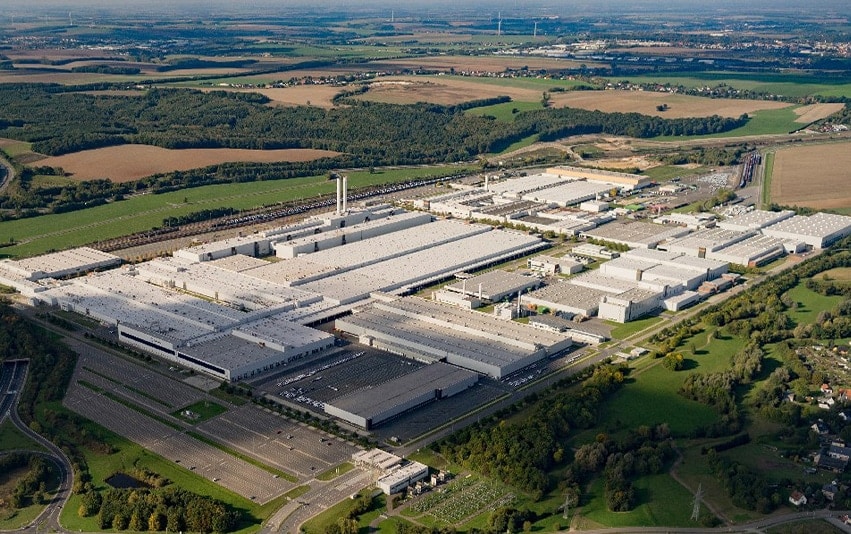
│ View of Volkswagen Group's smart factory owned by Audi (Image Source: Audi Volkswagen Korea Newsroom)

Audi gets 100% eco-friendly electricity from the smart factory. The aim is to achieve net carbon dioxide neutral production by 2025.

LG Electronics

07

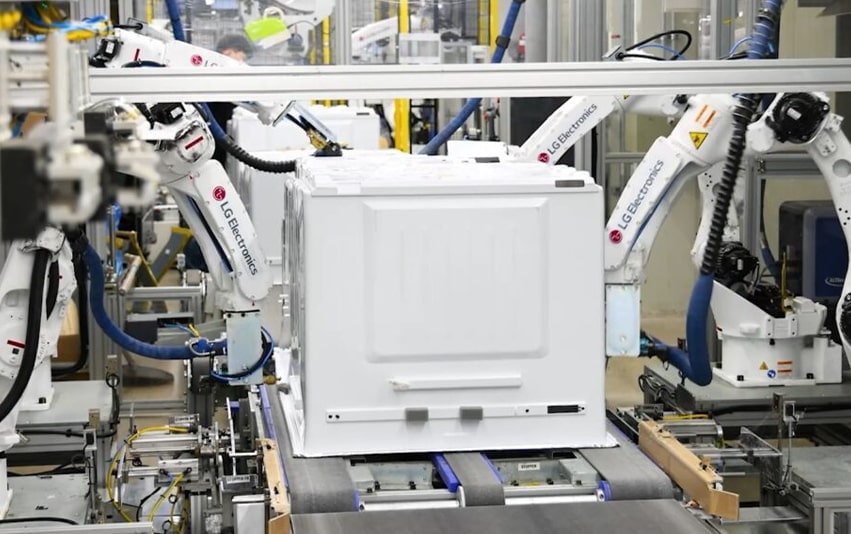
│ LG Smart Park in Changwon has been converted into an intelligent automatic factory.

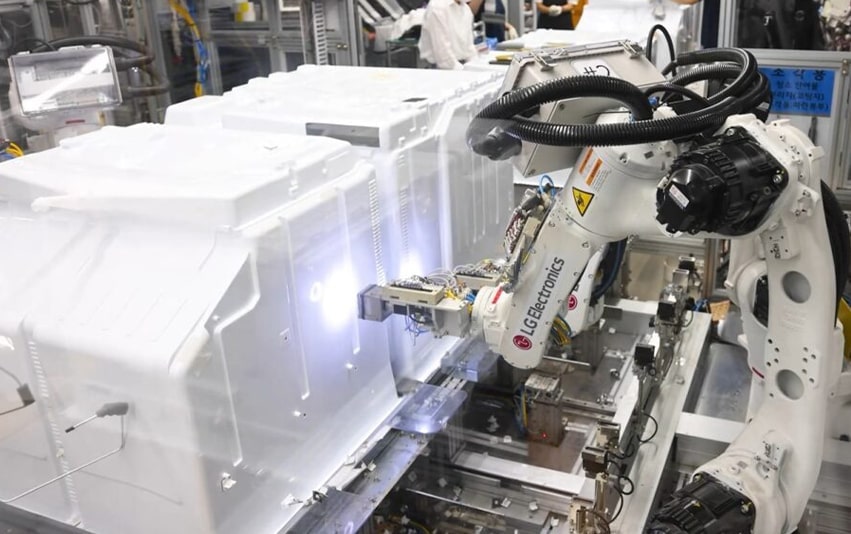
LG Electronics' first smart factory is the LG Smart Park in Changwon. They do not manufacture automobile parts but home appliance products. LG Smart Park, which has been converted into an intelligent automatic factory, has automated the entire production process to increase productivity and quality and maximize accuracy and efficiency.


That’s not all. It also introduced an integrated monitoring system, utilized big data in the production process, and built a quality prediction system through AI deep learning. The entire production process has been digitized. Was it effective? The annual production capacity increased from the previous maximum of 2 million units to more than 3 million units per year, resulting in a 50% increase in productivity.

08

│ LG Smart Park in Changwon converted into an intelligent autonomous factory

Please pay a lot of attention to LG Electronics' vehicle component solutions business and the smart factory that LG Electronics will develop in the future.