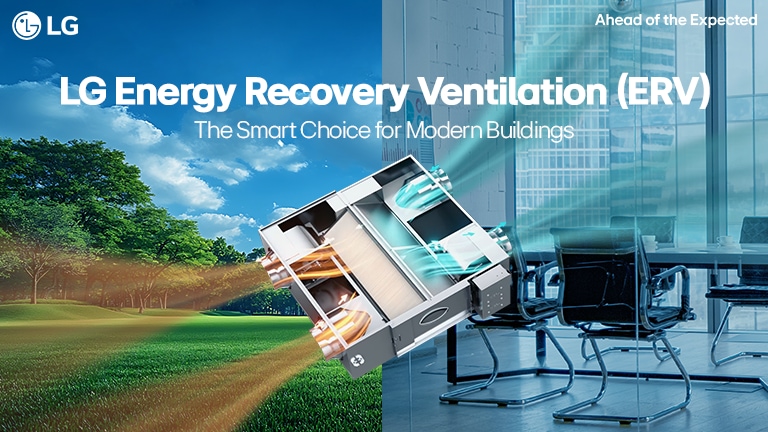
Is Your HVAC System Working For or Against IAQ?

HVACBlog02/06/2026

    Key Takeaways

    • Indoor concentrations of some pollutants may be 2–5 times higher than outdoor air, with most exposure occurring indoors. Major indoor pollutants—such as radon, carbon monoxide, PM2.5, and VOCs—come from everyday sources like cooking, heating, and building materials. 
    • Both short-term symptoms and long-term health risks are linked to poor indoor air quality, especially for vulnerable populations.
    • Effective IAQ improvement depends on a combination of source control, proper ventilation, and high-efficiency filtration.
    • Monitoring indoor air and maintaining HVAC systems helps ensure that improvements are measurable and sustained over time.


    Indoor air may be more polluted than you think. In fact, indoor environments can sometimes be more polluted than outdoors, according to the U.S. Environmental Protection Agency (EPA).[1] The European Environment Agency (EEA) also notes that Europeans spend much of their time indoors, where exposure to pollutants from heating, cooking, cleaning products, building materials, and poor ventilation can significantly affect health.[2] Everyday sources,  including gas stoves, cleaning products, and building materials, continuously release pollutants into the spaces where you live, work, and rest, and because most people spend roughly 90% of their time indoors, that exposure builds quickly over time.[1][2][3] 

    Understanding what affects your indoor air is the first step toward improving it, and this guide outlines the key pollutants, their health effects, and practical steps you can take to create a cleaner, healthier indoor environment. Throughout this guide, commonly used IAQ guidance from the U.S. (EPA/ASHRAE) and Europe (EU/EEA/BUILD UP) is referenced as representative examples. Actual requirements, standards, and test methods may vary by country and region. 

    [1] https://www.epa.gov/report-environment/indoor-air-quality
    [2] https://build-up.ec.europa.eu/en/resources-and-tools/articles/acceptable-indoor-environmental-quality-and-energy-efficiency
    [3] https://www.epa.gov/air-research/indoor-air-quality-exposure-and-characterization-research 

    3 HVAC Factors that Impact IAQ 

    HVAC systems influence IAQ through three main functions: ventilation, filtration, and ongoing operation and maintenance. When these factors work together, they can help reduce pollutant buildup, capture airborne particles, and keep system performance consistent over time.

    Ventilation
    Ventilation helps reduce indoor pollutant concentrations by bringing outdoor air into the space and diluting contaminants generated indoors. Across major IAQ guidance, ventilation is consistently recommended alongside source control and filtration to reduce indoor pollutant buildup. For example, the EPA identifies ventilation as a main strategy for improving IAQ, and ASHRAE Standards 62.1 and 62.2 define ventilation system design and minimum ventilation rates for acceptable indoor air quality. European guidance also highlights the same core approach, with CO₂ often used as an indicator of air exchange.[1]

    Filtration
    Filtration supports IAQ by capturing airborne particles as air moves through HVAC equipment or dedicated air-cleaning devices. European Commission guidance notes that air filtration is required to help control particulate matter from outdoor sources, while indoor particulate matter is managed through source reduction and adequate ventilation. In the U.S., EPA guidance explains that MERV ratings indicate how effectively HVAC filters capture particles between 0.3 and 10 microns, making filter selection an important part of IAQ planning.[2] Filter classifications differ by region, including MERV in the U.S. and ISO 16890 in many European markets, but both systems are intended to indicate how effectively filters capture airborne particles. 

    Operation & Maintenance
    Operation and maintenance help ensure that ventilation and filtration continue performing as intended. The U.S. Department of Energy notes that clogged filters reduce airflow and system efficiency, while European guidance connects IAQ management with proper ventilation rates, filtration, and monitoring. Regular filter replacement, airflow checks, and system inspections help maintain the conditions needed for consistent IAQ performance.[3]

    [1] https://www.epa.gov/indoor-air-quality-iaq/improving-indoor-air-quality
    [2] https://www.epa.gov/indoor-air-quality-iaq/what-merv-rating 
    [3] https://build-up.ec.europa.eu/en/resources-and-tools/articles/acceptable-indoor-environmental-quality-and-energy-efficiency 

    What are the Primary Sources of Indoor Pollution? 

    Indoor air quality is shaped by a combination of pollutants that often originate from common sources we encounter every day. While these contaminants vary in form and impact, several stand out due to their consistent presence and health risks.  

    A table shows pollutants and their common sources affecting the quality of indoor air ventilation.

    Radon, which enters buildings through soil beneath foundations, remains the leading cause of lung cancer among non-smokers and carbon monoxide from combustion appliances presents a more immediate danger.[1][2]

    A rendering image shows that air purifyer is working to help make the livingroom clean and well ventilated.

    At the same time, routine activities such as cooking—particularly with gas stoves—can significantly elevate indoor nitrogen dioxide levels, contributing to respiratory issues and an estimated share of childhood asthma cases.[3] These pollutants do not exist in isolation; their concentration is influenced by ventilation, building materials, and how indoor spaces are used on a daily basis. European Commission guidance also identifies combustion appliances, building materials, consumer products, and inadequate ventilation as major contributors to indoor pollutants such as PM2.5, nitrogen dioxide, formaldehyde, and radon.[4] 

    [1] https://www.epa.gov/radon/health-risk-radon
    [2] https://www.cdc.gov/environmental-health-tracking/php/data-research/carbon-monoxide-poisoning.html
    [3] https://pmc.ncbi.nlm.nih.gov/articles/PMC9819315/ 
    [4] https://energy.ec.europa.eu/document/download/77a9516d-8579-4c5b-af65-236f0029e7f1_en?filename=Technical+building+systems,+indoor+environmental+quality+and+inspections+(Articles+13,+23+and+24)+-+annex+10.pdf 

    A image illuminating the kitchen equipped with ventilation unit and and cooking counters.

    Health Effects of Poor Indoor Air 

    Poor indoor air quality can affect comfort, health, and daily performance, with symptoms that may appear quickly or develop over time.

    • Short-term effects: Irritation, headaches, dizziness, fatigue, and asthma symptoms can occur after indoor pollutant exposure.
    • Long-term effects: PM2.5 exposure is linked to cardiovascular and respiratory disease, while radon exposure is linked to lung cancer risk.[1][2]
    • Higher-risk groups: Air pollution can pose greater risks for children and pregnant women, including possible impacts on birth outcomes.[1][3]

    As reference points, health agencies such as the U.S. EPA provide guidance levels for key pollutants. Carbon monoxide guidance levels are 4 mg/m³, or approximately 3.5 ppm, on a 24-hour average under the WHO 2021 air quality guidelines[4]. As a reference point, in 2024, the US EPA finalized a revised annual PM2.5 National Ambient Air Quality Standard (NAAQS)* of 9.0 µg/m³; however, this standard is subject to ongoing regulatory review and may be revised.** [2][5][6] These reference points reinforce the importance of reducing sources, improving ventilation, and monitoring indoor air quality over time.

    *The NAAQS applies to outdoor ambient air; it is often referenced as a benchmark for evaluating indoor particulate levels. Always verify the latest applicable standards for your region.

    **Readers should verify the current applicable standard at the time of reading.

    [1] https://www.who.int/news-room/fact-sheets/detail/ambient-(outdoor)-air-quality-and-health 
    [2] https://www.epa.gov/radon/what-epas-action-level-radon-and-what-does-it-mean
    [3] https://stacks.cdc.gov/view/cdc/225899
    [4] https://www.who.int/teams/environment-climate-change-and-health/air-quality-and-health/health-impacts/types-of-pollutants
    [5] https://www.epa.gov/indoor-air-quality-iaq/what-average-level-carbon-monoxide-homes
    [6] https://www.epa.gov/pm-pollution/national-ambient-air-quality-standards-naaqs-pm

    How to Effectively Ventilate Indoor Air?

    Reducing harsh indoor sources is important, but clean air also depends on how well air moves through the home. EPA identifies improved ventilation as one of the three basic strategies for improving indoor air quality, alongside source control and filtration. The European Commission’s BUILD UP platform provides similar guidance, stating that good indoor air quality depends on source control, effective ventilation, and filtration of external pollutants. Increasing outdoor air can help lower indoor pollutant concentrations, and ASHRAE recommends a minimum residential ventilation rate of 0.35 air changes per hour, but not less than 15 cfm per person. Equivalent ventilation targets and calculation methods may differ by country and building codes, so use local standards for final design. [1][2][3]

    Natural ventilation can help improve airflow, but it also has limitations. Modern buildings are increasingly airtight, making natural airflow less effective, while opening windows can introduce outdoor pollutants such as PM2.5, pollen, and dust, depending on seasonal and environmental conditions.

    • Use windows and doors when weather and outdoor air quality allow.[2] 
    • Run kitchen and bathroom exhaust fans that vent outdoors.[2]
    • Consider mechanical ventilation in tighter spaces where natural airflow is limited.[1][2]

    An illustration shows the comparison between natural ventilation and energy recovery ventilation.

    Opening windows can help improve airflow, but it may also increase heating and cooling demand during extreme outdoor temperatures as conditioned indoor air is replaced with outdoor air. ERV systems help address this challenge by supplying fresh air while reducing ventilation-related energy loss through heat exchange.

    [1] https://www.epa.gov/indoor-air-quality-iaq/how-much-ventilation-do-i-need-my-home-improve-indoor-air-quality
    [2] https://www.epa.gov/indoor-air-quality-iaq/improving-indoor-air-quality
    [3] https://build-up.ec.europa.eu/en/resources-and-tools/articles/acceptable-indoor-environmental-quality-and-energy-efficiency

    Filtration can further support ventilation by helping reduce airborne particles as outdoor air moves through HVAC systems and mechanical ventilation equipment. EPA guidance notes that properly selected filters can help reduce particles such as PM2.5, while MERV ratings indicate how effectively HVAC filters capture particles between 0.3 and 10 microns.[1][2] However, filtration works most effectively when combined with ventilation, source control, and ongoing HVAC maintenance as part of a broader IAQ strategy.[3][4] This is why modern ventilation approaches increasingly combine airflow management, filtration, and energy-efficient ventilation systems such as ERVs to support more consistent indoor air quality.

    [1] https://www.epa.gov/indoor-air-quality-iaq/guide-air-cleaners-home
    [2] https://www.epa.gov/indoor-air-quality-iaq/what-merv-rating
    [3] https://susproc.jrc.ec.europa.eu/product-bureau/sites/default/files/2021-02/UM3_Indicator_4.1_v1.1_37pp.pdf
    [4] https://www.energy.gov/energysaver/air-conditioner-maintenance 

    A table describing the sizes of air particle depending on MERV rating.

    How LG Solutions Make a Difference in IAQ

    As we've established, ventilation and filtration are important components of IAQ management. The following solution sections from LG's ETV and filtration technologies are designed to support ventilation and filtration functions—not to prevent, treat, or cure any specific health condition.

    LG’s ERV solutions are designed around this ventilation-focused approach by continuously supplying outdoor air while exhausting indoor air through heat exchange technology that helps reduce heating and cooling energy loss during ventilation.

    In residential environments, LG Residential ERV systems are designed to support cleaner indoor air, energy-efficient ventilation, and easier system management in increasingly airtight homes. For cleaner air, the system combines ISO 16890 ePM1 95% filtration, dual PM1.0 and CO₂ monitoring, UVnano™ pre-filter treatment*, and antibacterial and mold-resistant air passages to help manage fine dust, airborne contaminants, and indoor air conditions.

    *UVnano™ effectiveness is limited to the pre-filter surface area directly exposed to UVC light. 

    A graph demonstrates temperature exchange efficiency during the heat exchange mode.

    To support energy saving, total heat exchangers help reduce cooling and heating energy loss during ventilation. Beyond this, LG ERV DX systems use a total heat exchanger that recovers both sensible heat (temperature) and latent heat (moisture) during ventilation. This dual recovery helps reduce energy loss while also supporting more stable indoor humidity levels—an important factor in managing mold growth and occupant comfort.

    Additionally, functions such as CO₂ auto operation and seasonal auto operation help optimize airflow based on indoor and outdoor conditions. Convenience features such as smart controls, filter maintenance alarms, and one-touch filter replacement also help simplify ongoing monitoring and maintenance.

    The same ventilation principle can also be applied across commercial environments to support cleaner indoor air while helping reduce ventilation-related energy loss. LG Commercial ERV systems support configurable filtration and CO₂-based airflow control across a range of spaces, helping maintain more consistent IAQ under different operating conditions*.

    *LG Commercial ERV systems support configurable filtration options rated under ISO 16890, with standard fine dust filters rated up to ePM10 85% and optional higher-grade filters available depending on application requirements. 

    A rendering image shows key equipment of LG ventilation solution.

    Some compatible LG indoor units also support IAQ management through technologies such as PM 1.0 filtration, UVnano™ UVC treatment*, and plasma ion technology designed to help manage airborne particles and support cleaner airflow within occupied spaces. Applicable products, features, and filtration classifications may vary by region due to local standards, certifications, and test methods, including differences between ISO- and MERV-based filtration systems. 

    *LG ceiling-concealed middle static duct unit with UVnano Filter Box supports IAQ management through technologies such as PM 1.0 filtration and UVnano™ UVC treatment. Select models may also include optional ionization features; applicable products, features, and regional availability may vary.  

    8 Ways to Improve Indoor Air Quality

    Improving indoor air quality comes down to consistent habits that address the main sources covered in this article. These eight actions are practical starting points for reducing exposure and keeping indoor air easier to manage.

    1. Test your home for radon, since EPA states that testing is the only way to know your level of exposure.[1]
    2. Install carbon monoxide alarms on each level of the home and outside sleeping areas.[2] 
    3. Keep indoor spaces smoke-free, as the WHO states, there is no safe level of secondhand smoke exposure.[3]
    4. Consider mechanical ventilation or ERV systems to help provide more consistent airflow and indoor air management in increasingly airtight spaces.[4]
    5. Replace or clean HVAC filters according to manufacturer or contractor guidance.[5]
    6. Use portable air cleaners or upgraded HVAC filters as supplements to source control and ventilation.[6]
    7. Choose EPA Safer Choice- or EU Ecolabel-certified products to reduce pollution at the source through safer ingredients.[7][8]
    8. Use indoor air monitors carefully to track specific pollutants, while recognizing they do not provide a complete picture of indoor air quality.[9]

    [1] https://www.epa.gov/radon
    [2] https://www.cpsc.gov/Safety-Education/Safety-Education-Centers/Carbon-Monoxide-Information-Center/CO-Alarms
    [3] https://www.who.int/news/item/29-05-2007-only-100-smoke-free-environments-adequately-protect-from-dangers-of-second-hand-smoke
    [4] https://www.epa.gov/indoor-air-quality-iaq/improving-indoor-air-quality
    [5] https://www.energy.gov/energysaver/air-conditioner-maintenance
    [6] https://www.epa.gov/indoor-air-quality-iaq/guide-air-cleaners-home
    [7] https://www.epa.gov/saferchoice
    [8] https://environment.ec.europa.eu/topics/circular-economy-topics/eu-ecolabel_en
    [9] https://www.epa.gov/indoor-air-quality-iaq/low-cost-air-pollution-monitors-and-indoor-air-quality 

    Conclusion

    Indoor air quality is shaped by how effectively pollutants are controlled, filtered, and ventilated within increasingly airtight indoor environments. As this article has outlined, ventilation plays a central role in IAQ management by helping reduce indoor pollutant buildup while supporting more consistent airflow and indoor comfort.

    Mechanical ventilation and ERV systems can further support this process by supplying fresh outdoor air while helping reduce the energy loss often associated with ventilation. Combined with appropriate filtration, monitoring, and ongoing HVAC maintenance, these approaches can help create cleaner, more consistent indoor environments over time. 

    FAQs

    Q.

    What are the main ways to improve indoor air quality? 

    A.

    The main ways to improve indoor air quality are source control, ventilation, and filtration. EPA identifies these as core strategies for reducing indoor pollutant levels and improving IAQ.

    Q.

    How does ventilation improve indoor air quality? 

    A.

    Ventilation improves indoor air quality by bringing outdoor air into the space and helping remove or dilute pollutants from indoor sources. However, ventilation should be managed carefully when outdoor air contains pollutants such as smoke or heavy traffic emissions.

    Q.

    What MERV rating is best for HVAC air filters? 

    A.

    MERV ratings measure how well HVAC filters capture particles between 0.3 and 10 microns. Higher-efficiency filters can capture smaller particles, but the best filter depends on what the HVAC system can properly support without reducing airflow.

    Q.

    Why is CO₂ monitoring important for IAQ?

    A.

    CO₂ is commonly used as an indicator of air exchange and ventilation performance. European BUILD UP guidance notes that CO₂ and PM2.5 are useful indicators for managing indoor air quality, especially when full pollutant monitoring is difficult or expensive.

    Q.

    How can ERV systems support indoor air quality?

    A.

    ERV systems support IAQ by introducing outdoor air, exhausting stale indoor air, and reducing the energy loss often associated with ventilation. This can be especially useful in tighter homes and commercial spaces where natural ventilation may be limited.

    More about LG HVAC

    * Products and solutions may vary according to country and operating conditions.

    red image

    red image

    Get Your Expert Consultation

    Connect with our specialists for tailored solutions — every question matters to us.

    white bg color image on colorful image

    white bg color image on colorful image

    Subscribe to LG HVAC Blog
Newsletter