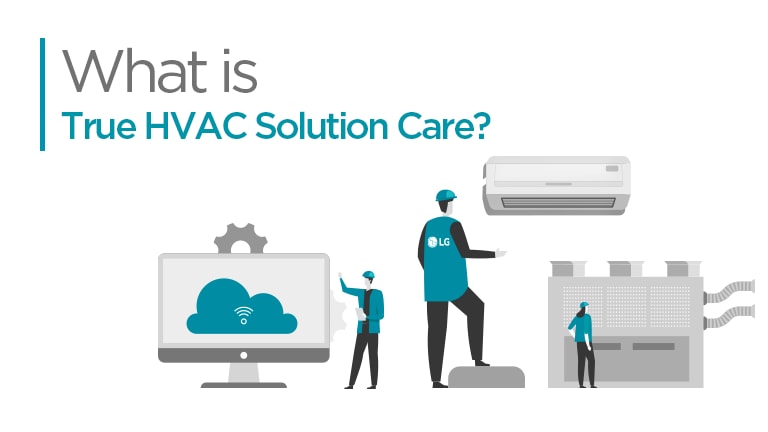
Skipping HVAC service is a bit like skipping oil changes on a car. Things run fine for a while, but the neglected items eventually fail in expensive ways. Annual maintenance pays off in several ways, and the stakes climb as system size and occupancy grow.
Reliability
During a tune-up, a technician tightens electrical connections, lubricates moving parts, cleans coils, and verifies refrigerant charge. These are the items that, left alone, cause mid-summer breakdowns.[1] In a commercial setting, an unplanned outage can shut down a retail floor, an office, or a server room, so the value of catching small issues is proportional to what depends on the system.
Equipment life
With routine care, central air conditioners and heat pumps typically last 10 to 15 years, while gas furnaces commonly run 15 to 25 years.[2] Systems that go years without service often fail well before those ranges. Preventable issues, like a clogged filter overheating a heat exchanger, accumulate damage over time.
Energy efficiency
Dirty, clogged filters reduce airflow and force the system to work harder.[3] ENERGY STAR notes that airflow problems alone can cut system efficiency by up to 15 percent.[1]
Warranty protection
Many manufacturer warranties expect documented annual maintenance to remain in force. Skipping tune-ups may affect coverage on a major component failure, and for commercial fleets, missing records on one site can complicate claims across the contract.
Safety
For gas furnaces and boilers, annual inspections include checking the heat exchanger for cracks, verifying combustion, and inspecting the flue system. The EPA recommends having a trained professional inspect, clean, and tune up central heating systems annually, because leaking furnaces and back-drafting flues can introduce carbon monoxide indoors.[4]
[1] https://www.energystar.gov/saveathome/heating-cooling/maintenance-checklist
[2] https://www.nachi.org/life-expectancy.htm
[3] https://www.energy.gov/energysaver/air-conditioner-maintenance
[4] https://www.epa.gov/indoor-air-quality-iaq/carbon-monoxides-impact-indoor-air-quality